Sensor Instability
Slow changes in the zero-g bias and scale factor of silicon-based inertial sensors occur over time due to temperature fluctuations and mechanical stress. This error source, known as MEMS accelerometer drift, causes the calculated velocity and position to accumulate significant errors when the sensor output is integrated. The drift rate is a primary performance metric that distinguishes consumer-grade sensors from tactical-grade navigation instruments.
Physical Mechanism
Internal mechanical stresses within the sensor housing change the gap between the capacitive sensing fingers. This shift changes the electrical output of the sensor.
Compensation Routine
Instruments run automated calibration routines when the sensor is known to be stationary to measure the current zero-g bias. To mitigate MEMS accelerometer drift, a temperature sensor placed next to the accelerometer is monitored to apply pre-calculated correction factors from a lookup table. This compensation reduces the temperature-dependent drift by up to ninety percent.
Metrological Verification
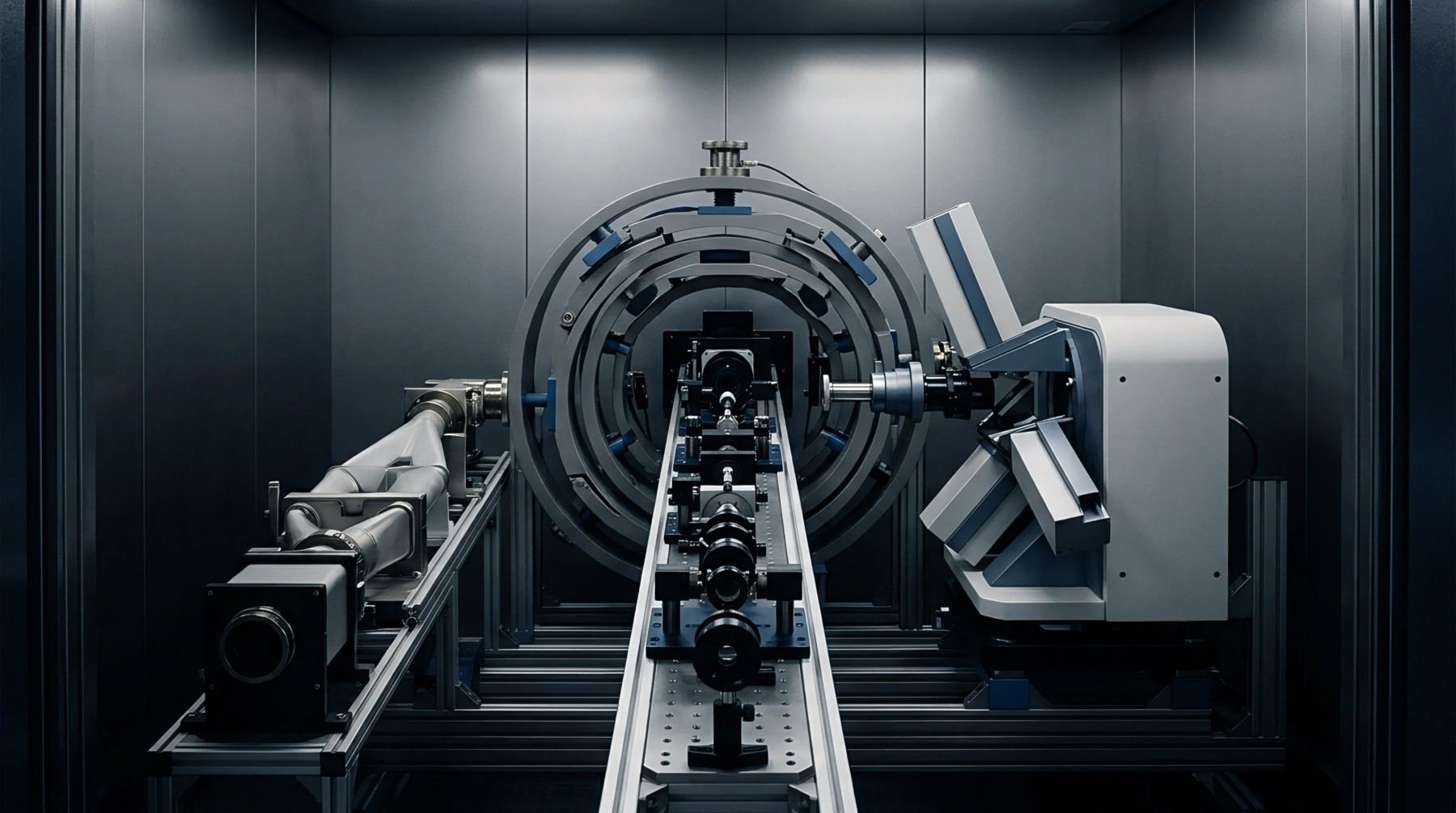
Calibration standards require the sensor to be mounted on a precision rate table or a dual-axis tilt platform. The drift is measured over an extended period under stable temperature conditions to isolate the random walk component. These tests are performed in accordance with industry standards to verify the sensor specification sheet.