
Implementing Guardbanding Decision Rules and Consumer Risk Control under ILAC G8
Guardbanding tolerance limits by expanded measurement uncertainty restricts consumer risk below two point five percent under ILAC G8 decision rules.
Guardbanding tolerance limits by expanded measurement uncertainty restricts consumer risk below two point five percent under ILAC G8 decision rules.

Calculate uncertainty budgets under ISO/IEC 17025 by converting Type A scatter and Type B limits into standard deviations and applying guard-banded decision rules.

Guard band multipliers compress thermal tolerance bands by laboratory measurement uncertainty to allocate cross-site test dispute risks between parties.

Reconciling divergent calibration certificates requires auditing lab scopes, matching test conditions, and computing normalized error ratios before retesting.
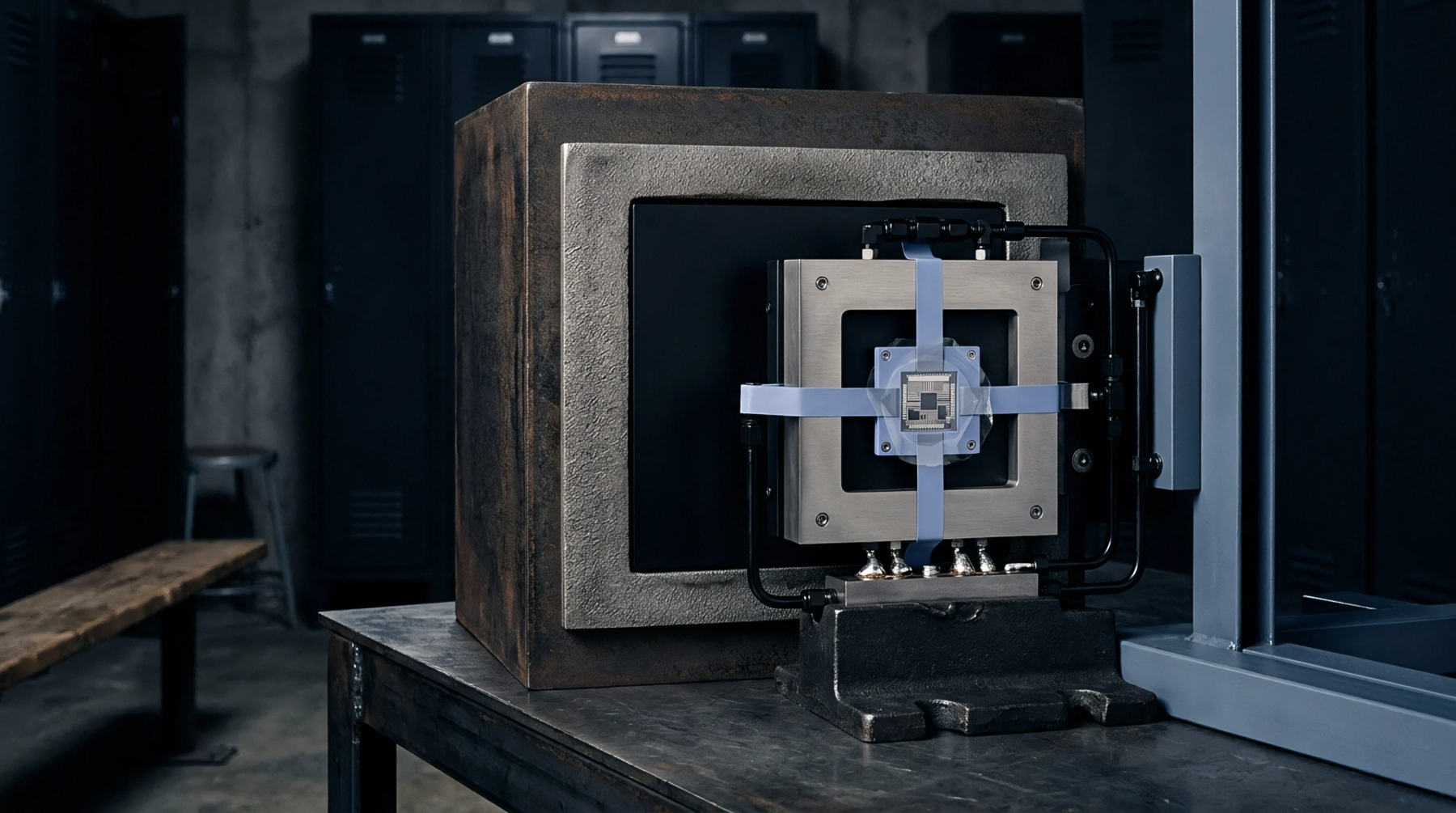
ISO/IEC 17025 uncertainty evaluation combines Type A and B inputs into expanded budgets and applies guardbanded decision rules to manage risk.

When two laboratories return conflicting calibration values for the same sensor unit, calculate the normalized error ratio to isolate systemic lab bias from valid measurement uncertainty.

Sensor accuracy price curves scale exponentially because higher tiers demand longer thermal chuck dwell times, lower silicon yields, and guard-banded calibration.
Expertise is a utility, not a secret. sentiention™ publishes its working knowledge as open reference: intelligence layer covering the materials it sources, the markets it enters, and the reference that serves both.