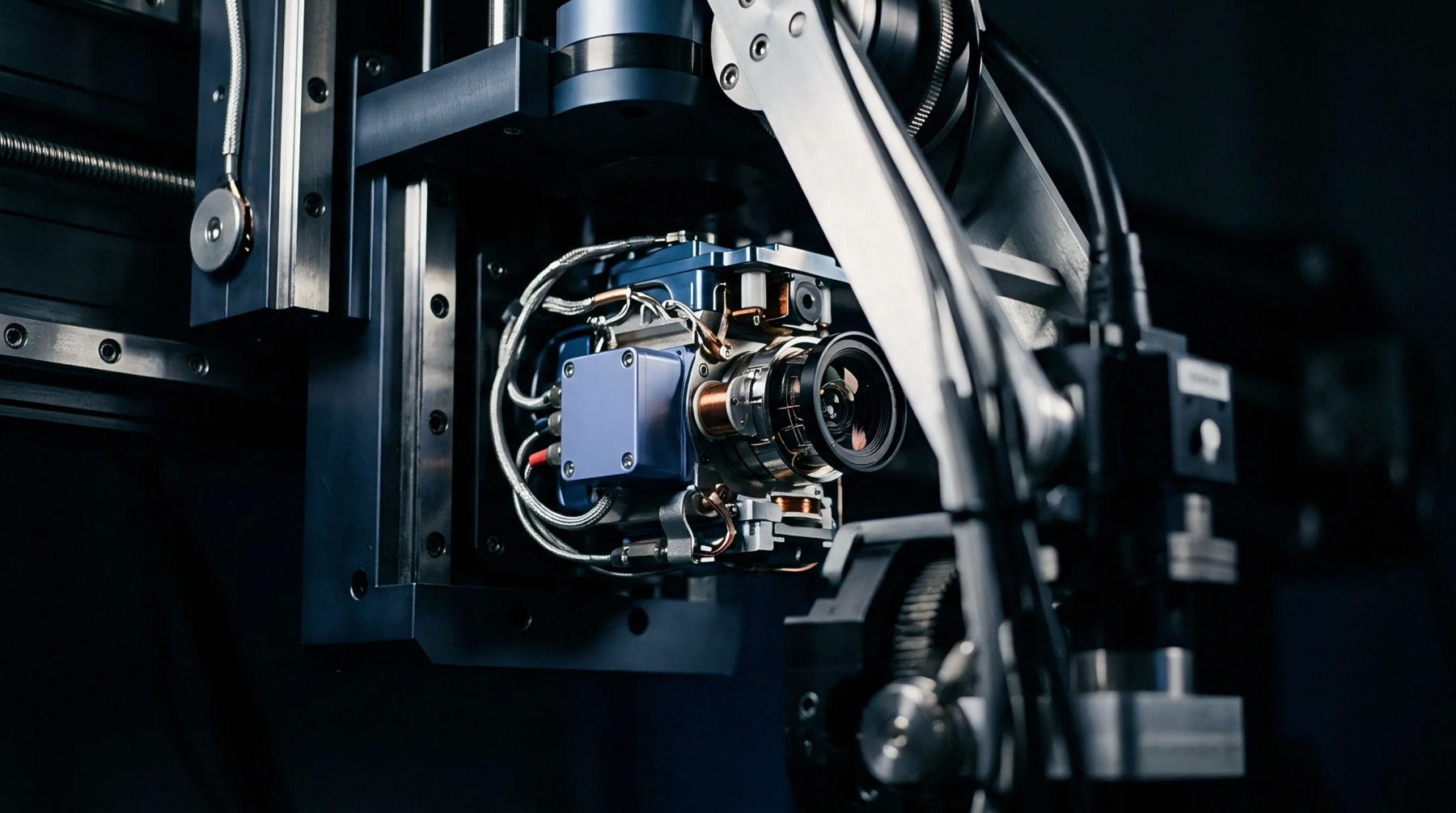
Piezoresistive Measurement
Pressure measurement instruments designed to operate in environments exceeding several hundred degrees Celsius must use specialized semiconductor or ceramic sensing elements. A high temperature pressure sensor utilizes wide-bandgap materials, such as silicon carbide or gallium nitride, to maintain electrical isolation and piezoresistive properties at extreme temperatures. These devices monitor physical forces in aerospace propulsion or deep geothermal drilling, where conventional silicon-based sensors would experience immediate thermal runaway.
Substrate Construction
Ceramic packaging protects the active sensing element from corrosive gases and intense heat. Internal connections rely on platinum or gold wire bonds to prevent thermal degradation and junction failure. This design ensures that the sensor maintains mechanical integrity under extreme thermomechanical stress.
Thermal Drift
Thermal drift represents a major challenge, as elevated temperatures alter the sensitivity and zero-pressure offset of the transducer. Compensation circuits, either integrated on-chip or managed by external signal conditioners, use temperature-dependent resistance measurements to correct the sensor output in real time. These correction algorithms are calibrated during factory testing.
Industrial Application
Industrial deployment in gas turbines or combustion engines requires rigid mounting interfaces to decouple the sensor from vibration and thermal shocks. Protective standoffs and cooling jackets can be used to lower the localized temperature of the sensor body. This thermal shielding extends the operating lifetime of the instrument during continuous high-temperature exposure.