Barrier Degradation
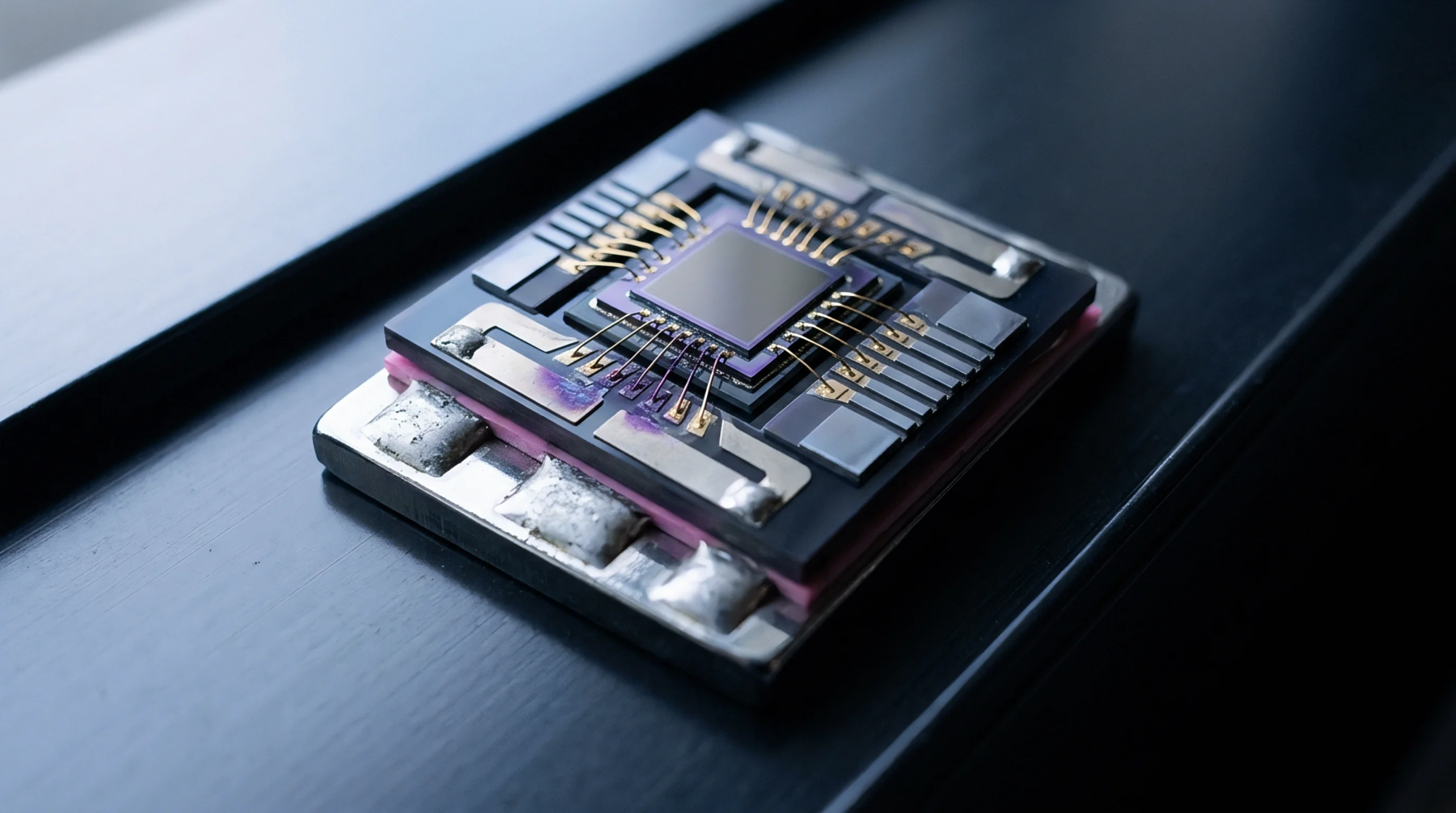
Ingress protection for sensitive electronics relies on maintaining an airtight cavity over the lifespan of a device. A measurable hermetic seal drift occurs when the leak rate of a package increases over time or when the internal atmosphere changes. This process alters the baseline measurement of a sensor by changing the dielectric constant or inducing oxidation.
The boundary of this effect lies at the point where the internal pressure reaches equilibrium with the external environment.
Pressure Influence
Fluctuations in external pressure cause mechanical stress on the sealing interface. When hermetic seal drift arises from micro-cracks in glass-to-metal seals, the change in internal pressure affects the resonance frequency of micro-electromechanical devices. Such changes appear as a slow, monotonic shift in the output signal.
Measurement Uncertainty
Calibration cycles must account for the gradual change in sensor response caused by atmospheric leakage. Because hermetic seal drift is often non-linear, simple offset adjustments may fail to capture the full behavior of the device over its lifespan. Helium leak testing provides an initial verification, but long-term stability requires vacuum bake-out procedures and getter materials to absorb residual gases.
Precise monitoring of the zero-point offset during storage identifies units prone to premature failure. The magnitude of the shift is measured against the original factory baseline.
Long Term Reliability
Material compatibility between the substrate and the sealant dictates the rate of seal failure. Mismatched thermal expansion coefficients can lead to bond separation even in high-quality ceramic packages.