Stress Methodology
Accelerated testing protocol exposing hardware to alternating extremes of temperature and humidity to reveal latent design flaws. Results from environmental cycling predict the long-term reliability of electronics in harsh field conditions. This process involves placing the device in a programmable chamber that sweeps through a range of environmental variables.
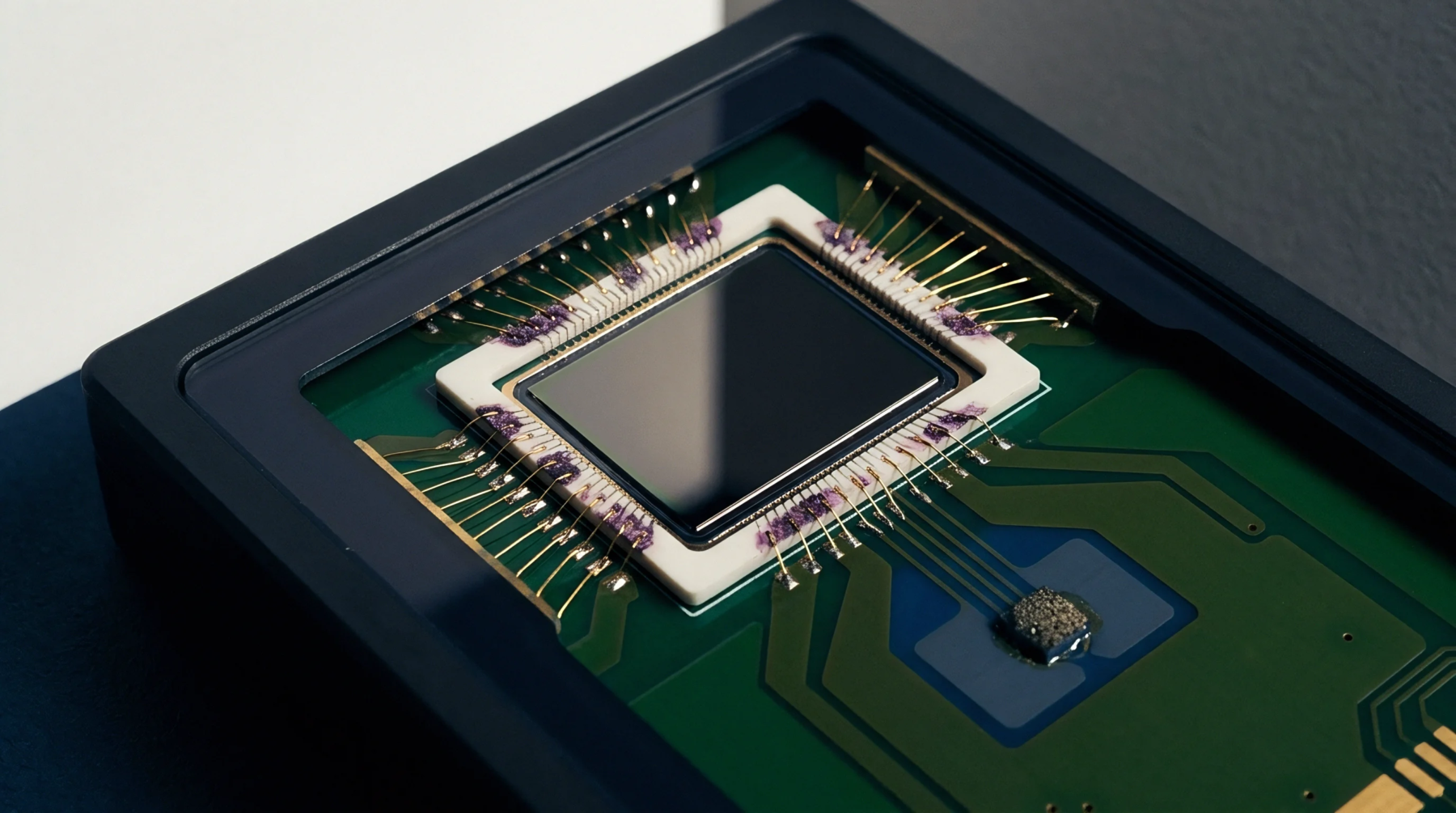
Engineers look for physical degradation such as solder fatigue or insulation breakdown.
Failure Analysis
Identifying the point of collapse during the test helps in determining the safe operating limits of the product. Data collected during environmental cycling shows how thermal expansion and contraction affect the integrity of internal wire bonds. If a component fails after only a few cycles, the housing or the potting compound may require redesign.
This feedback loop is essential for improving the robustness of sensors used in aerospace and automotive applications.
Test Procedure
Standardized profiles specify the rate of temperature change and the duration of each dwell period. A typical environmental cycling sequence might run for hundreds of hours to simulate years of real-world exposure. Sensors are often powered and monitored throughout the test to capture intermittent electrical faults that only appear at specific temperatures.
Precise control of the moisture content in the chamber prevents the formation of ice or condensation that could mask the true cause of failure.
Hardware Validation
Final approval for a production batch depends on passing a set number of cycles without a significant change in performance. Because environmental cycling is a destructive test, it is often performed on a representative sample rather than the entire inventory. Passing these tests provides the evidence needed to satisfy regulatory requirements and customer specifications.
Reliability is confirmed when the sensor drift remains within the specified tolerance band.