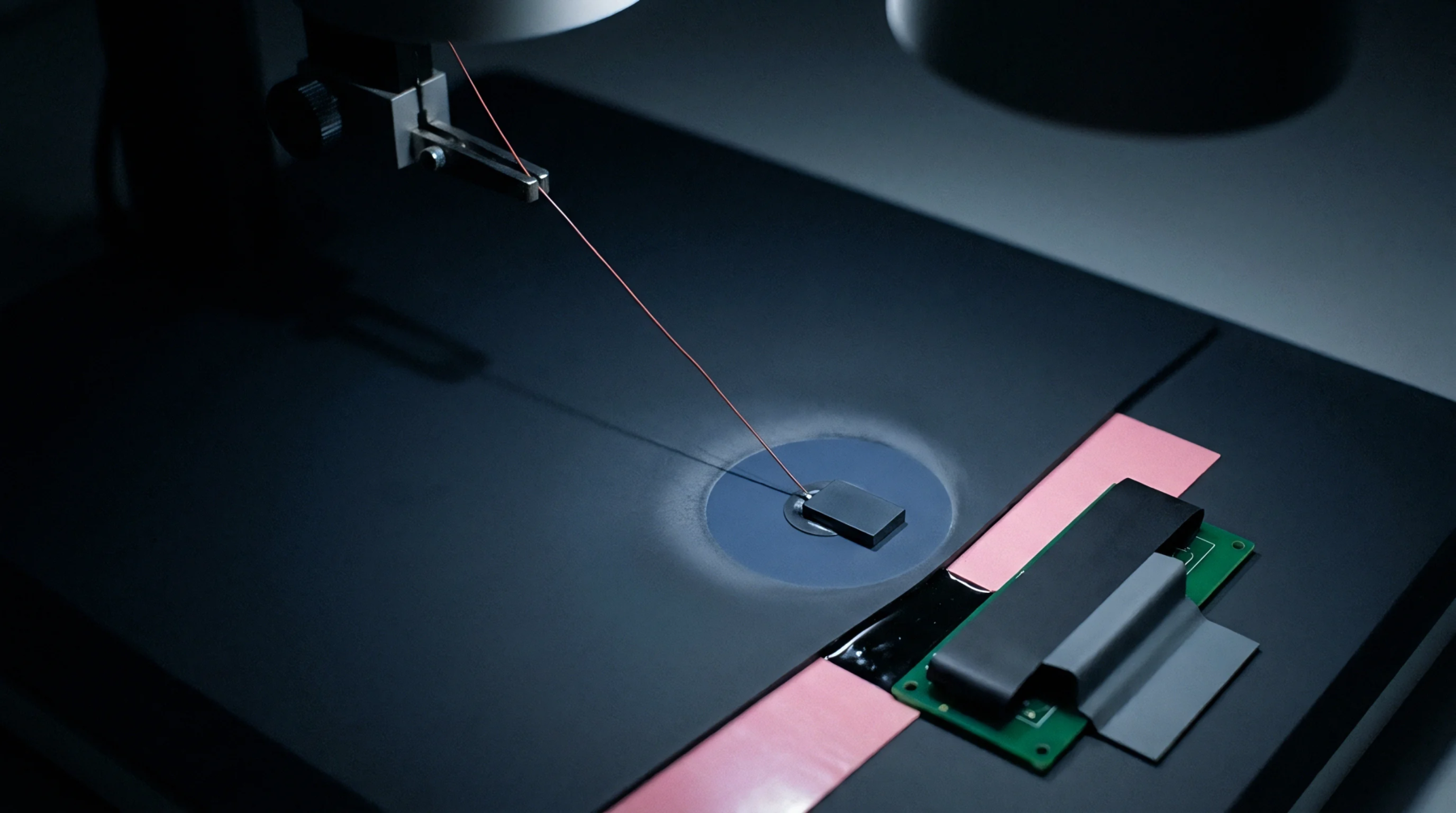
Final Verification
Final verification protocols ensure that a manufactured device operates according to its functional specifications before it leaves the production facility. Such end of line testing confirms the correct assembly and software integration of every unit on the line. This protocol prevents defective units from reaching the customer.
Calibration Routine
Test fixtures require daily validation against a known gold standard to maintain the accuracy of the measurements. An end of line testing setup involves checking voltage levels and communication protocols. Regular adjustment prevents measurement drift from rejecting good units.
Fault Coverage
Fault detection depends on the precision of the test algorithms and the sensitivity of the data acquisition hardware. If end of line testing fails to identify a marginal component, the risk of field failure increases. Modern systems use automated scripts to run through hundreds of test points in seconds.
This speed allows for high throughput without sacrificing the depth of the inspection. Advanced diagnostics can pinpoint the exact component that failed, which simplifies the rework process and reduces scrap.
Data Log
Results from each test run are recorded in a central database. This end of line testing record includes the serial number and the pass or fail metrics for every parameter.