Elastic Stiffness
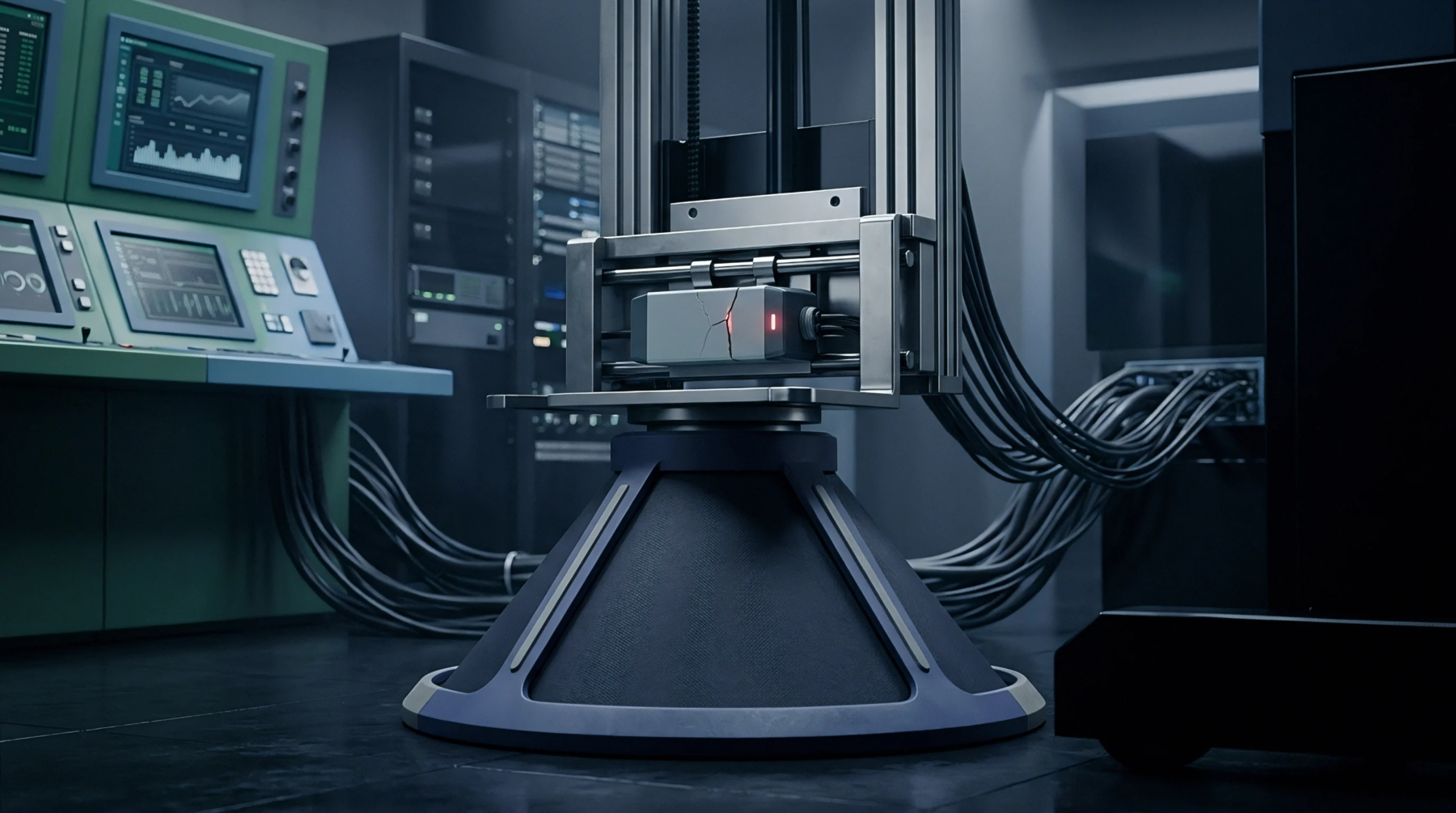
Mechanical rigidity dictates how bonding adhesives transfer mechanical stress between semiconductor chips and underlying leadframes or packaging substrates. In sensor packaging, die attach modulus quantifies the tensile or shear elastic resistance of cured silver-filled epoxies, silicones, or bismaleimide pastes under mechanical deflection. Lower values indicate compliant materials capable of absorbing differential thermal expansion between silicon dies and substrate carriers, whereas higher values indicate stiff joints that transmit external mechanical displacements directly into the semiconductor structure.
Material datasheets report this property in megapascals or gigapascals across temperatures evaluated via dynamic mechanical analysis.
Stress Propagation
Substrate warpage and thermal cycling induce mechanical shear forces across package joints. When bonding layers exhibit high elastic stiffness, mechanical strains migrate directly into silicon microstructures, causing piezoresistive drift in integrated pressure transducers and inertial sensors. Compliant die attach formulations isolate the active microelectromechanical system from package-induced stresses, preserving factory-calibrated bridge balance.
High modulus joints offer superior positional stability for optical and tilt sensors where micro-tilt under thermal shock would introduce measurement error. Selection involves trading mechanical decoupling capability against spatial placement accuracy under environmental vibration.
Material Degradation
Glass transition points govern modulus transitions from glassy rigid states to rubbery flexible behavior across ambient operational ranges. As operating temperatures drop below the transition threshold, die attach materials stiffen abruptly, increasing internal stress concentrations that can trigger die fracture or package delamination. Conversely, elevated temperatures soften polymeric bonds, raising moisture absorption rates and reducing joint fatigue resistance during continuous operation.
Laboratory qualification applies thermal cycling between minus fifty-five and plus one hundred and fifty degrees Celsius, tracking modulus evolution through periodic acoustic microscopy to detect adhesive delamination.
Procurement Criterion
Material acceptance procedures enforce strict viscosity, filler distribution, and cured modulus criteria on incoming chemical lots. Receiving facilities inspect formulation certificates to verify that storage temperatures remained below minus forty degrees Celsius throughout transit to prevent premature polymer crosslinking. Dynamic mechanical analysis coupons undergo shear testing to verify that room-temperature storage modulus stays within twenty percent of nominal datasheet targets.
Curing ovens run calibrated temperature ramp profiles, because incomplete crosslinking lowers the final modulus and releases volatile organic compounds that contaminate sensor diaphragms. Destructive die shear testing confirms that mechanical bond strength exceeds MIL-STD-888 guidelines before packaging runs receive final production sign-off.