Residual Unbalance
Differential output voltages indicate zero-strain unbalance in resistive bridge networks prior to external load application. Wheatstone bridge offset represents the non-zero differential output voltage present under zero-input stimulus conditions. Manufacturing tolerances in piezoresistor dimensions and local doping variations break perfect electrical symmetry across the four bridge arms.
Signal conditioning circuits must null offset voltages to maximize available dynamic range in transducer applications.
Piezoresistive Mismatch
Lithographic variations and structural stress gradients introduce resistance mismatches between opposing bridge arms. Temperature shifts induce differential resistance drift if individual bridge piezoresistors possess unequal temperature coefficients. Passive laser trimming of integrated thin-film resistors balances bridge arm resistance and minimizes initial offset.
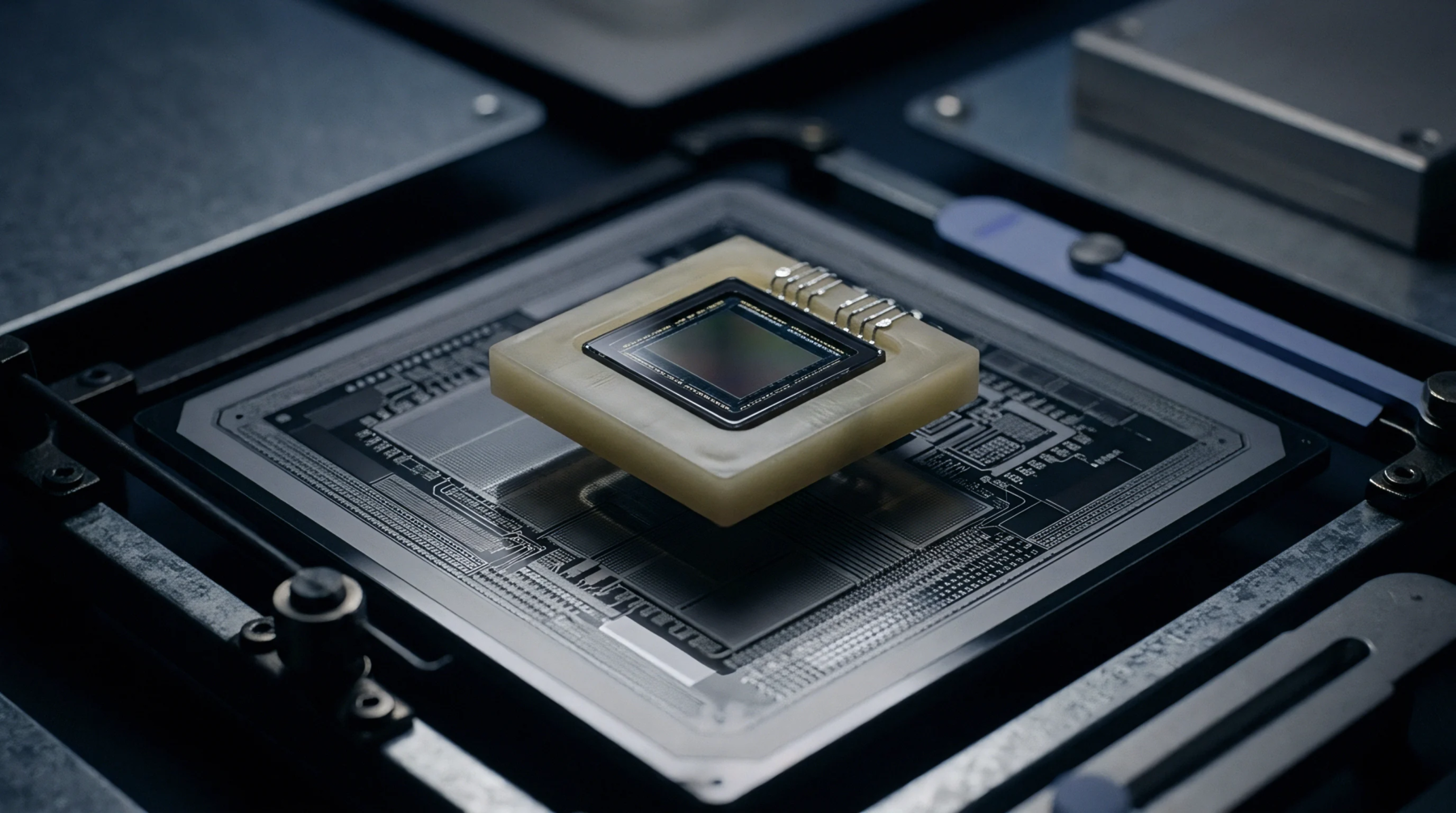
On-chip compensation resistors adjust bridge excitation or output nodes to cancel offset drift over operating temperature ranges. Packaging stress transfers mechanical strain into the silicon die, generating packaging-induced bridge offset. Stable substrate bonding materials mitigate external strain coupling to preserve low offset levels.
Trimming Calibration
Automated wafer probers measure bridge output voltage under zero-load conditions to calculate necessary resistor trim targets. Laser trimming systems ablate thin-film resistor material until differential output voltage falls within tolerance bounds. Precision digital voltmeters record output signals while temperature chambers establish thermal calibration baselines.
Thermal electromotive forces at probe contacts introduce voltage offsets during low-level bridge measurement.
Thermal Drift Limit
Severe thermal gradients across the sensor die generate non-uniform resistance shifts that exceed compensation range limits. Asymmetric heating causes dynamic offset shifts that static compensation networks cannot correct. Bridge offset models fail when spatial thermal gradients violate isothermal die assumptions.