Substrate Isolation
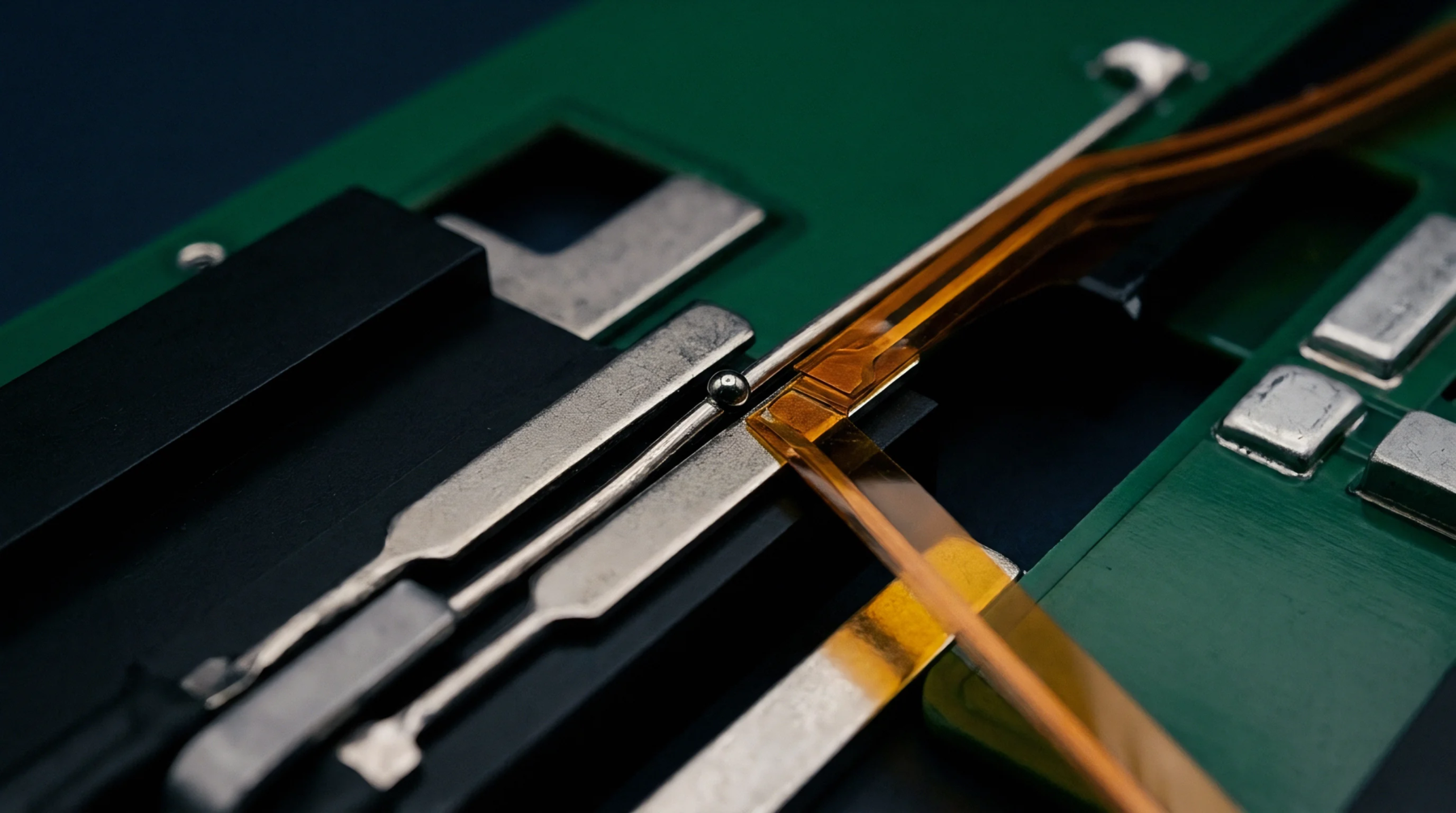
Physical voids milled into a circuit board create high resistance barriers to heat flow between different sections of the assembly. Implementing thermal trenching air cuts prevents energy from a power converter from reaching a sensitive precision reference. This technique relies on the poor thermal conductivity of air to block conduction through the board.
Structural Design
Air replaces solid fiberglass in critical paths near hot components like CPUs or regulators. Utilizing thermal trenching air cuts forces heat to follow longer conductive paths around the cutout, which lowers the temperature at the protected sensor location. These narrow slots allow two components to operate in close proximity without thermally interfering.
Efficiency Measurement
Effective isolation is verified by infrared cameras showing a sharp drop in temperature across the boundary of the void. While thermal trenching air cuts reduce the physical strength of the circuit board, they enable measurement accuracy that would otherwise require separate modules. The width of the slot is tuned to balance structural integrity with thermal rejection.
Process Integration
Standard manufacturing drills generate these paths during the final routing stage of the production cycle. Designers specify thermal trenching air cuts to extend the dynamic range of sensors without adding the size of traditional heatsinks. The presence of air ensures consistent performance across varying ambient conditions.