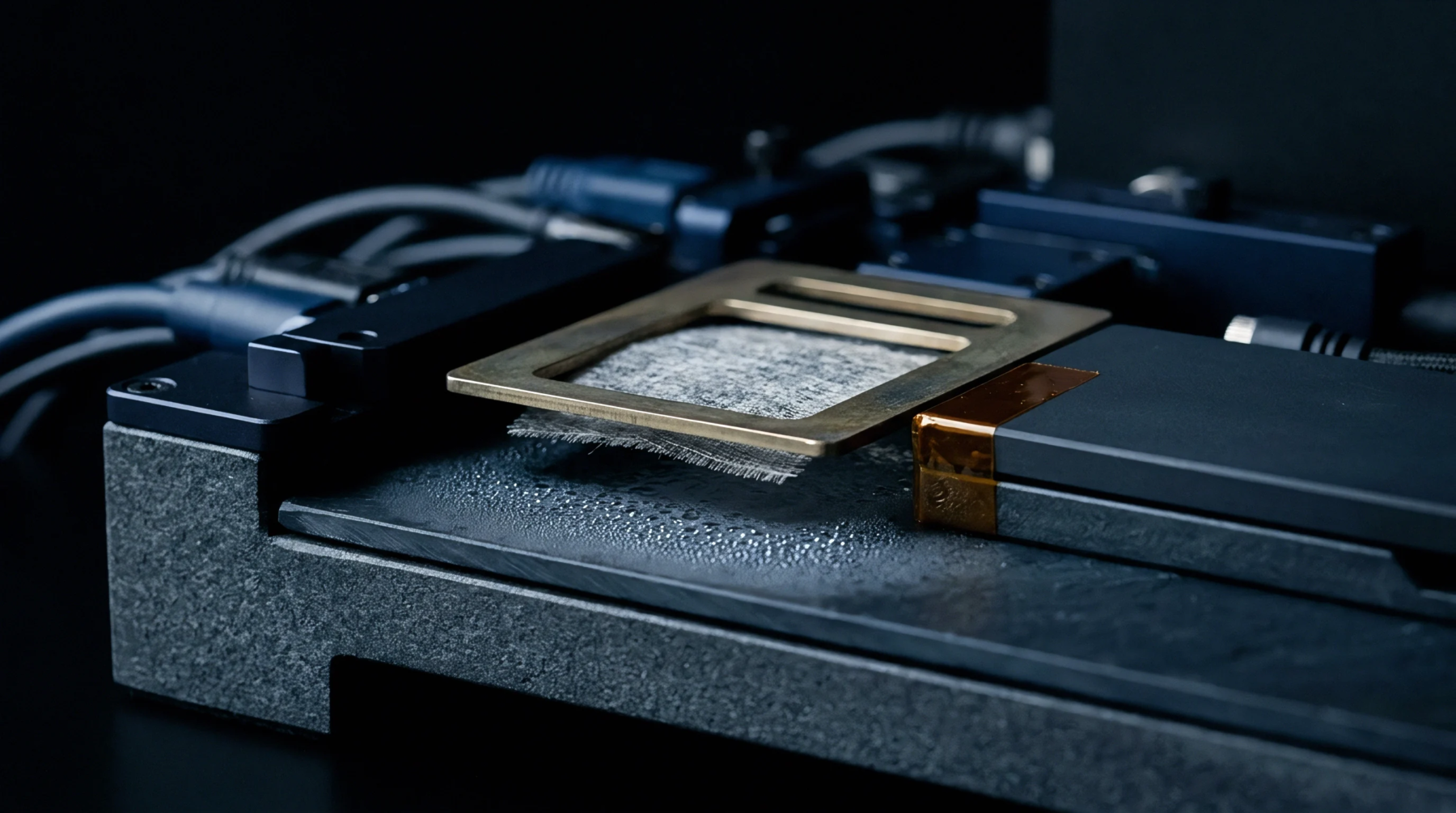
Thermal Mapping
A reflow temperature profile is the measured sequence of temperatures an assembly experiences during surface mount soldering, governing peak heating intensity and duration across specified conveyor zones. Thermal profiling instruments record thermocouple data across distinct zones to verify that solder paste reaches liquidus without exceeding component maximum ratings. Convection currents and conveyor speed variations create spatial gradients across the printed circuit board, introducing calibration errors between surface mounted sensors and actual solder joint temperatures.
Thermocouple wire degradation and cold junction compensation drift reduce measurement precision during high volume production runs. Calibration laboratories establish reference conditions using certified radiation sources, whereas plant floors experience radiative loading variations from adjacent heating elements.
Zone Control
Industrial ovens regulate heat transfer through multiple independently heated chambers, requiring precise setpoint coordination to match the thermal mass of densely populated circuit boards. Heating element aging alters emitter output, necessitating periodic pyrometric verification against traceable standards to maintain specified profile shapes within strict process windows. Air velocity fluctuations inside individual chambers disrupt boundary layer stability around fine pitch components, leading to uneven heat absorption across asymmetric layouts.
Controller algorithms compensate for thermal lag by anticipating temperature trajectories, preventing overshoot at the critical wetting stage where intermetallic compounds form between solder and lead finishes.
Alloy Phase
Solder paste metallurgy dictates specific melting ranges and wetting kinetics, demanding strict adherence to preheat and soak parameters defined by alloy composition and flux chemistry. Lead free solders require higher peak temperatures and longer time above liquidus compared with traditional tin lead alloys, increasing the thermal stress exerted on sensitive semiconductor packages. Oxide reduction occurs during the soak zone, where flux activators clean metal surfaces before liquid phase formation begins.
Excessive soak durations deplete flux activity prematurely, resulting in void formation and incomplete wetting of termination pads under large integrated circuits.
Cooling Gradient
Solidification rate governs grain structure formation within the solder joint, influencing mechanical fatigue resistance and shear strength under operational thermal cycling conditions. Forced air or chilled nitrogen streams extract heat rapidly after the peak zone, freezing the microstructure before grain growth compromises joint reliability. Rapid cooling creates steep thermal gradients that induce mechanical warping across large substrates, occasionally fracturing brittle ceramic capacitors situated near high mass components.
Pyrometer calibration drift and thermocouple placement inaccuracies distort recorded cooling rates, hiding microstructural defects that emerge only after field deployment.