Equilibrium Mechanism
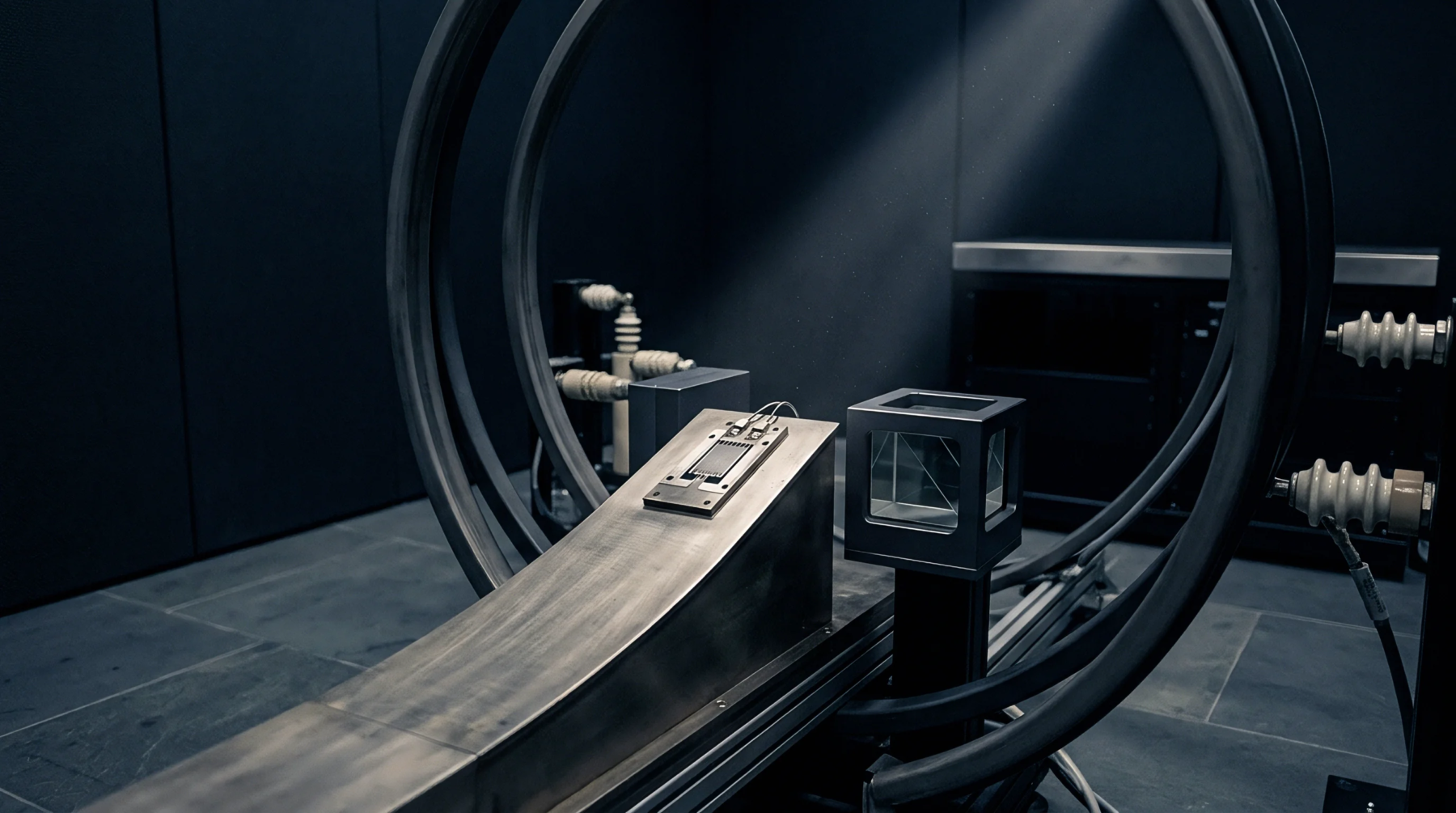
Internal balancing systems protect sensitive electronics from the crushing forces of deep water environments. Effective pressure compensation fills the interior of an instrument with a non conductive oil that transmits external force equally to all surfaces. This design prevents the deformation of the housing and allows for the use of thinner walls in deep sea applications where weight is a primary concern for the deployment team.
Fluid Filling
Selection of the fill liquid depends on the viscosity and the thermal expansion coefficient of the substance. Silicone oils are common choices for pressure compensation because they remain stable across a wide temperature range and provide excellent electrical insulation. The volume of the fluid must be carefully managed to account for compression at depth.
Response Lag
Changes in the external environment take time to propagate through the compensator bladder or bellows. Rapid depth transitions might cause a temporary lag in the pressure compensation system which could affect the readings of high speed transducers.
Integrity Verification
Periodic inspection of the seals and the bellows ensures that no seawater has leaked into the internal oil. Successful pressure compensation requires a perfectly sealed environment to prevent the shorting of the electrical circuits.