Charge Conversion
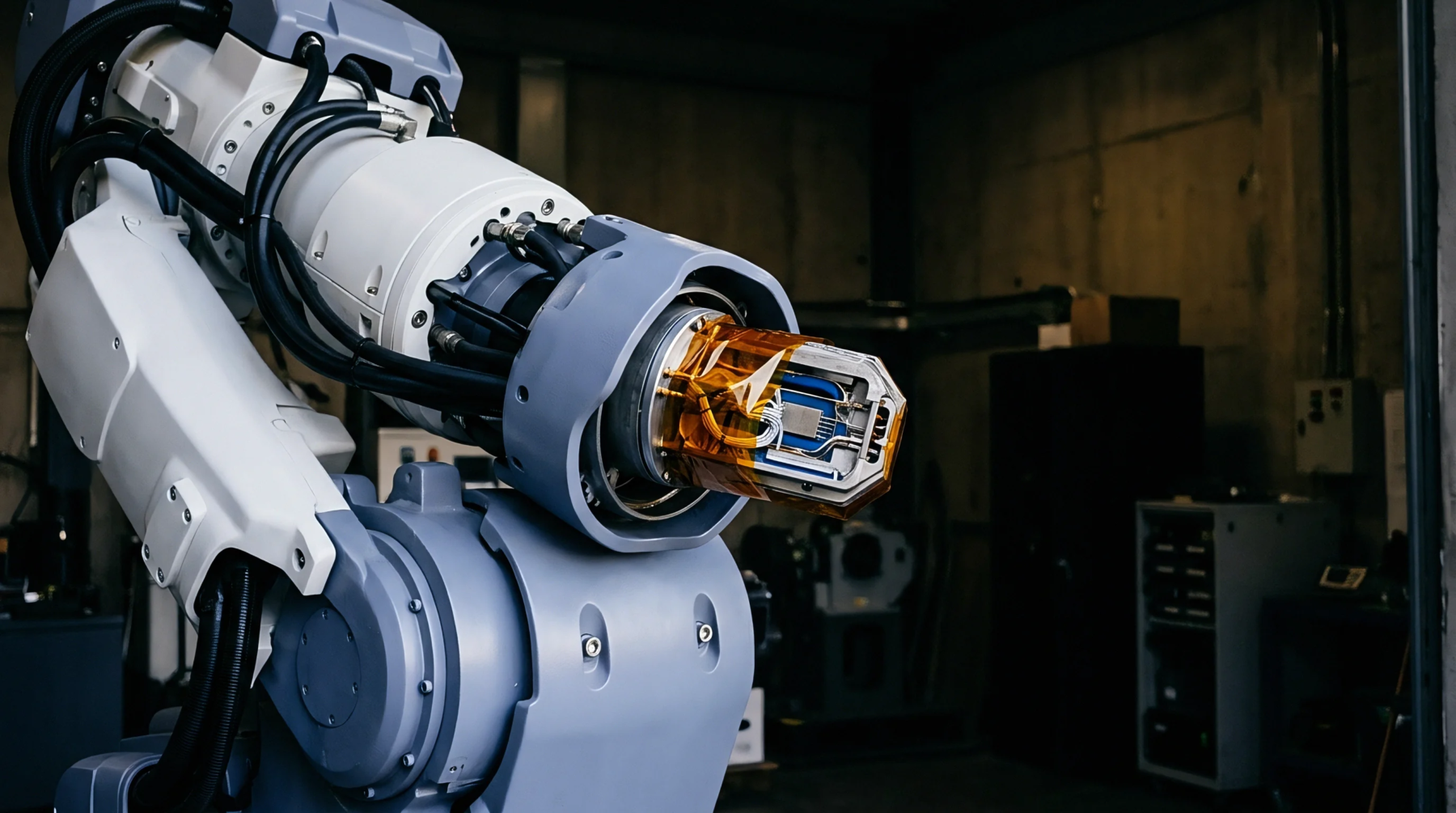
A piezoelectric sensor converts mechanical deformation into an electrical potential through the internal displacement of positive and negative ions within a crystalline lattice. This piezoelectric sensor generates a proportional output voltage when physical stress changes the symmetry of its dielectric structure. The device operates across a wide frequency spectrum because the displacement happens almost instantaneously upon the application of force.
Metrological Accuracy
Proper signal conditioning requires a high impedance amplifier to prevent the rapid discharge of the accumulated charge across the input terminals. Manufacturers determine the sensitivity of this piezoelectric sensor by measuring the ratio of the output charge to the applied force under strictly controlled laboratory conditions. Environmental factors such as temperature fluctuations or transverse acceleration induce parasitic signals that complicate the extraction of the primary measurement.
Rigid mounting surfaces prevent the internal mass from oscillating at unintended frequencies.
Voltage Drift
Internal insulation resistance provides a finite time constant for the signal decay during static or low frequency measurements. This piezoelectric sensor experiences unavoidable leakage currents that cause the output to return to zero despite the persistence of a constant load. Practitioners account for this characteristic by integrating the signal or using a charge amplifier to maintain a stable reference point.
Calibration Procedure
Verification occurs against a known dynamic reference standard to confirm the sensitivity coefficient remains within specified tolerance bands. Periodic checking ensures that physical degradation of the internal crystal or housing does not alter the response function. Calibrated systems retain their reliability as long as the mechanical interface remains free from mechanical fatigue or environmental contamination.