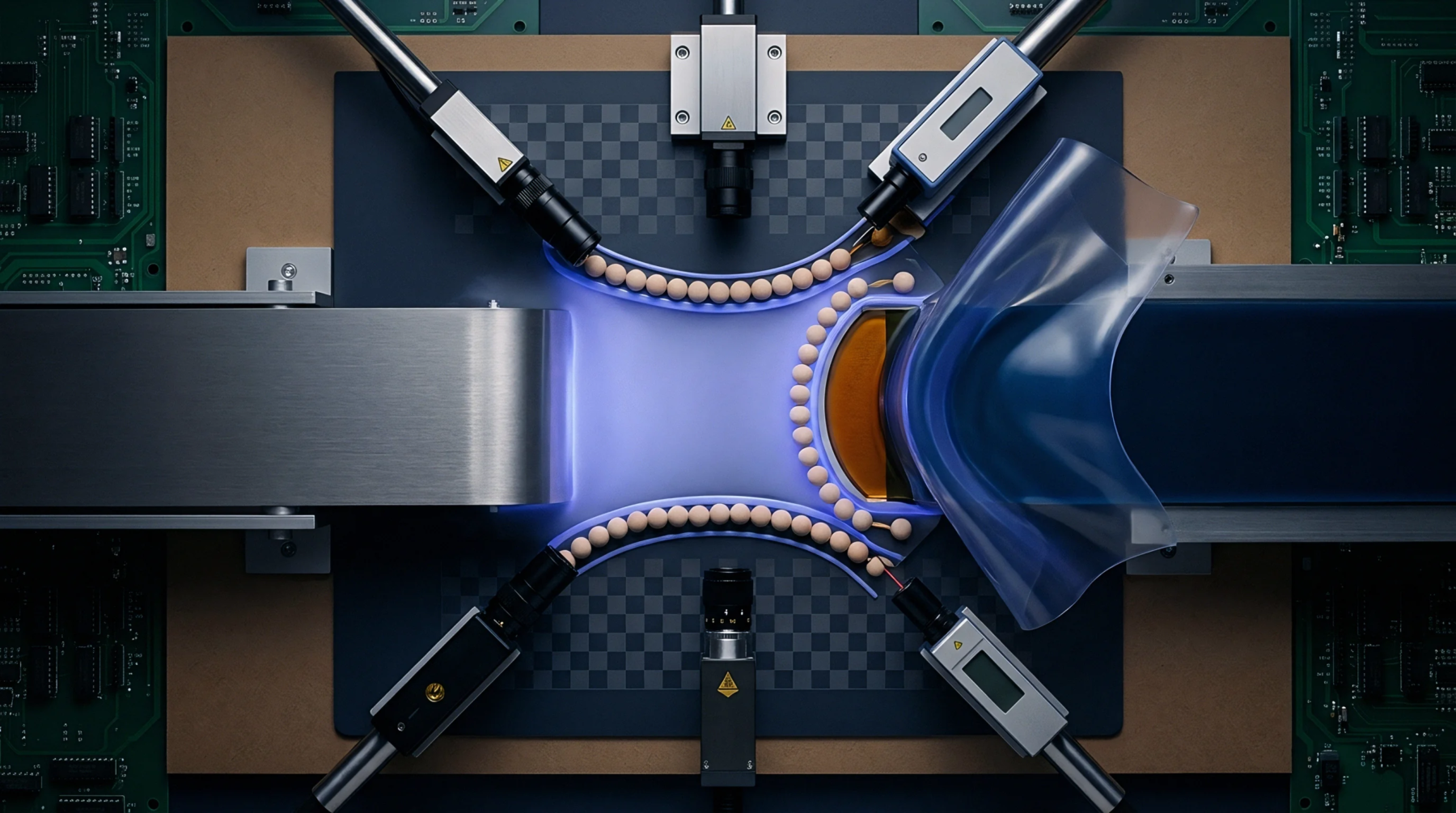
Positioning Device
Solid state materials expand or contract in response to an applied electric field to generate precise motion. Every piezoelectric actuator converts electrical energy directly into mechanical displacement without the use of gears or bearings. These components serve in applications requiring sub-nanometer resolution such as atomic force microscopy and optical alignment.
Crystal Property
Ceramics like lead zirconate titanate exhibit the strongest response to voltage. The crystalline structure lacks a center of symmetry, which allows the lattice to distort when a field is present. Stacked configurations combine many thin layers to increase the total stroke of the device.
Dynamic Response
High stiffness allows these units to move large loads with very high resonant frequencies. Fast switching times make them ideal for fuel injectors and active vibration damping systems. Because there are no moving parts in the traditional sense, the mechanism does not suffer from friction or wear.
Heat generation during high frequency operation is the primary limiting factor for the duty cycle. Cooling systems may be required to maintain the temperature within the operating range of the ceramic.
Hysteresis Effect
Displacement during the expansion phase does not perfectly match the contraction phase for a given voltage. Closed loop control with position sensors corrects this non-repeatability.