Sealing Flexibility
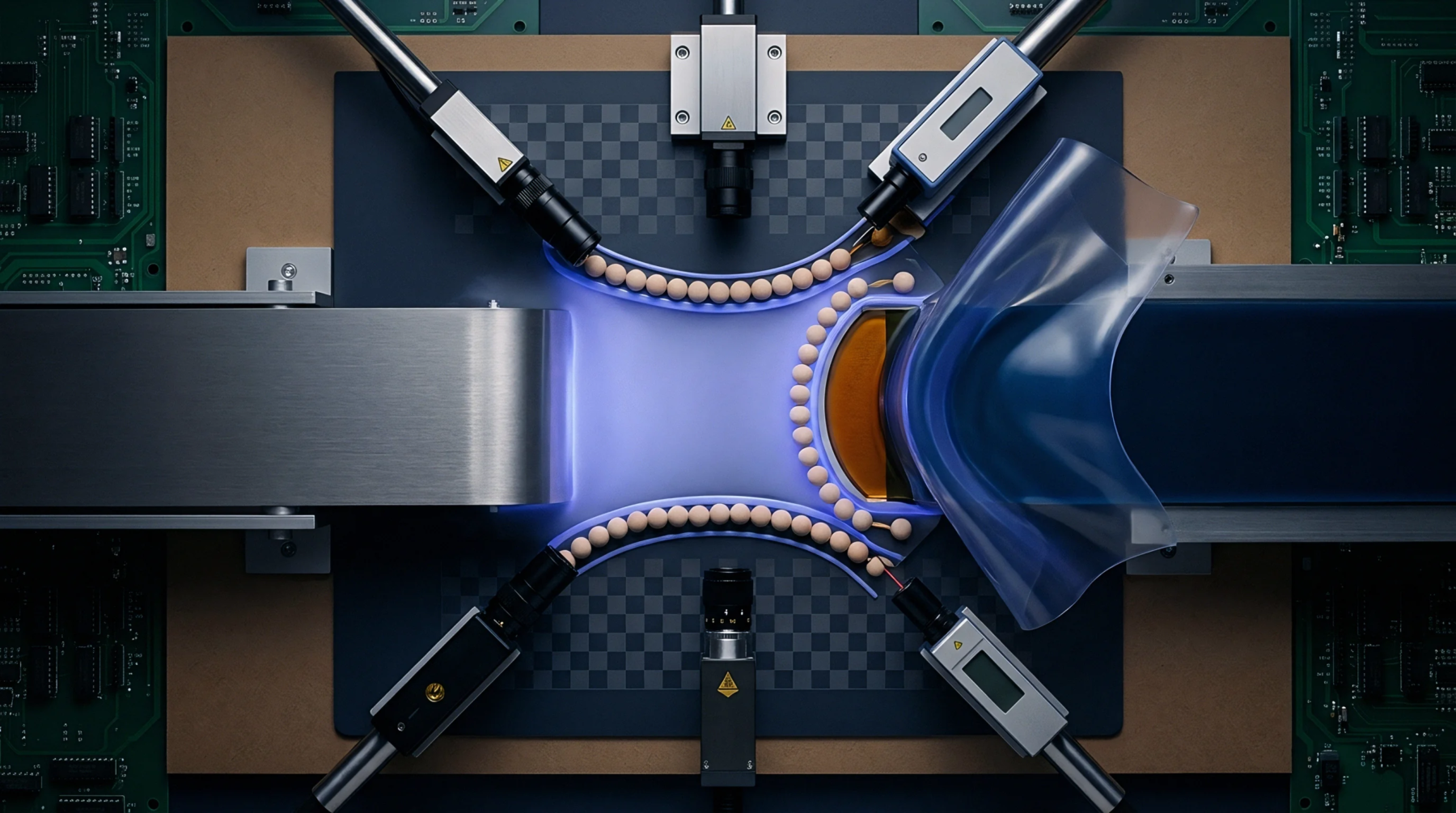
Deformable material zones within valve sealing interfaces accommodate mechanical misalignment to prevent internal fluid leakage. Optimizing seat compliance balances shut-off sealing performance against mechanical actuation force requirements. Polymer inserts or engineered metal diaphragms deform elastically under closing forces to seal micro-asperities.
Deformation Response
Elastic and plastic strain characteristics determine how sealing surfaces reshape under closing contact stress. Excessive seat compliance leads to seal extrusion and permanent set, degrading long-term valve closure accuracy. Thermal expansion alters sealing contact stress, changing closure performance across operating temperature ranges.
Mechanical Wear
Repeated cycling causes surface fatigue and material transfer across soft valve sealing interfaces. Changes in seat compliance over operational lifespans alter effective stroke length and shut-off timing. Particulate contamination trapped during closure creates permanent indentations that impair low-pressure sealing.
Actuator force calibration must account for progressive seal deformation to maintain zero-leakage shutoff. Hardened metallic seat inserts reduce wear rates while requiring higher sealing contact forces.
Boundary Rating
Differential pressure limits define maximum sealing capability before seat extrusion or structural blow-by occurs. Rated seat compliance degrades rapidly when fluid pressures exceed calculated material yield thresholds. Material compatibility limits specify fluid exposure rules to prevent polymer swelling or chemical degradation.