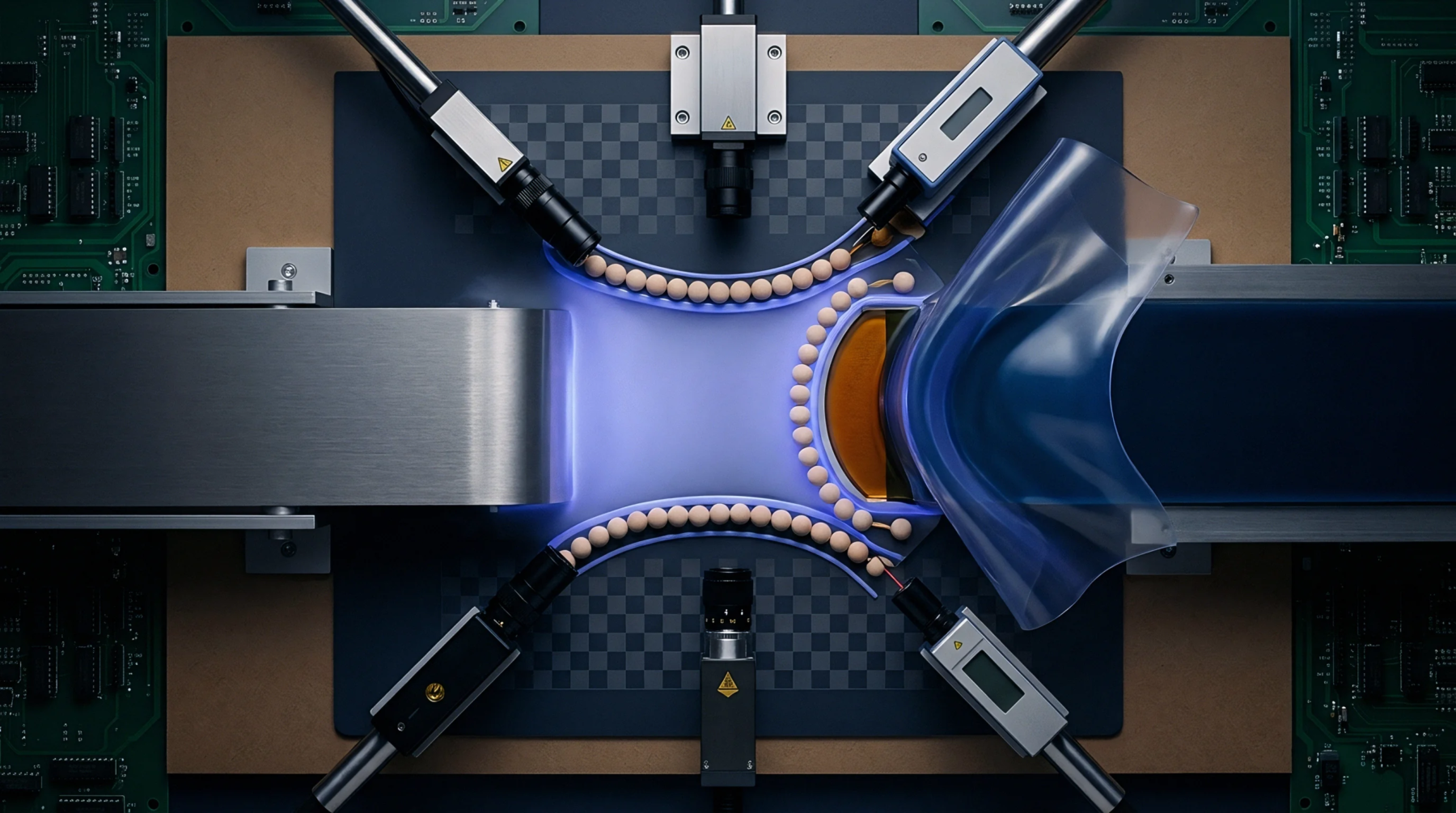
Pressure Regulation
High accuracy flow control equipment maintains consistent output conditions by minimizing mechanical friction and thermal expansion across the valve seat. A metrology grade valve stabilizes fluid paths during sensitive measurement sequences to prevent data degradation. Proportional response times remain locked to physical constraints of the actuator diaphragm.
Internal surfaces undergo electropolishing to reach specific surface roughness values that avoid particle entrapment.
Thermal Stability
Dimensional shifts in the metal housing interfere with precision settings during high temperature shifts. Designers select materials with low coefficients of thermal expansion to counteract these movements. Proper housing insulation prevents ambient heat from entering the fluid stream through the valve body.
Control systems compensate for residual temperature gradients by adjusting the closing force at the stem interface.
Measurement Accuracy
Calibration standards dictate the performance thresholds for these devices during active verification tests. A metrology grade valve relies on repeatable positioning rather than just seat tightness to ensure flow consistency. Technicians verify the hysteresis loop of the actuator against reference instruments to confirm that repeatability stays within narrow margin windows.
Drift over extended operation times signals a loss of mechanical integrity or debris accumulation within the seat.
Maintenance Requirements
Periodic inspection protocols prevent long term degradation of the internal seal surfaces. Seal wear causes non linear flow response patterns during low pressure states. Removal from the assembly allows for cleaning and recertification against primary standards before the device returns to the measurement chain.
Consistent performance depends upon the structural rigidity of the entire flow loop.