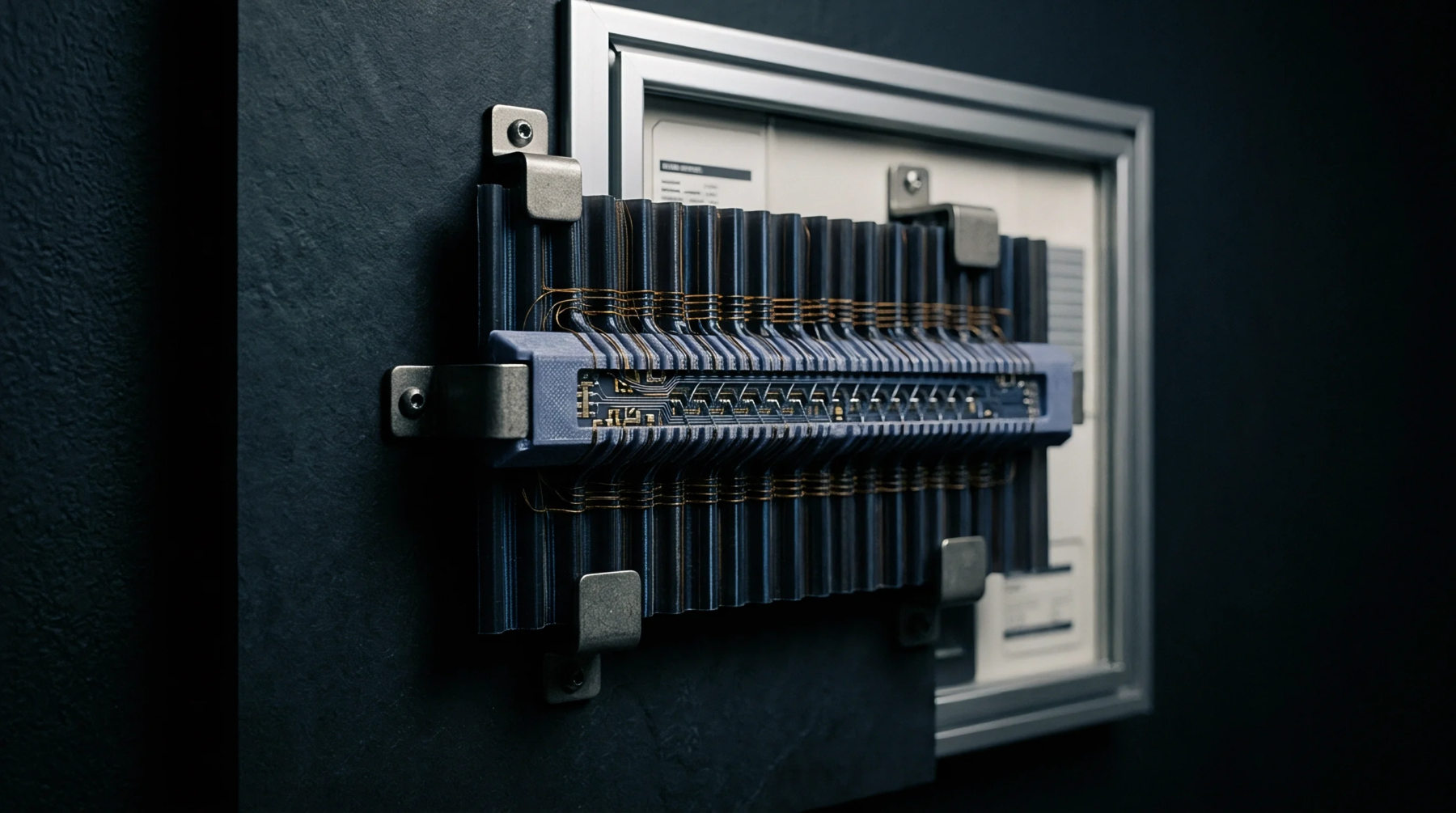
Output Configuration
Circuit topologies using a single transistor to pull a signal line to ground allow multiple devices to share a communication bus. An open-drain output requires an external pull up resistor to bring the line to a high logic state when the transistor is off. This design facilitates wired logic where any device on the bus can force the signal low.
Voltage Compatibility
Level shifting becomes simpler because the external resistor determines the high state voltage and prevents reliance on the internal chip supply. An open-drain pin can safely interface with a five volt logic gate even if the driving sensor operates at three volts. This versatility reduces the complexity of power management in mixed signal electronics.
Timing Constraint
Rise time depends on the value of the pull up resistor and the total capacitance of the bus traces. Because the open-drain drive is passive during the transition to a high state, the signal can become rounded at high frequencies. Designers must choose a resistor value that balances power consumption against the need for sharp signal edges.
Contention Management
Bus arbitration relies on the ability of a device to monitor the signal while it is transmitting. If two components attempt to drive an open-drain line at once, no damage occurs because they are only sinking current to ground. The system detects a conflict when a device expects a high signal but sees a low one.
This mechanism is fundamental to the operation of protocols like i2c where multiple controllers might attempt to take command of the bus.