Capital Allocation
Financial expenditure for pre-production infrastructure defines the setup requirement before a manufacturer initiates the volume fabrication of a specific electronic device. Such nre tooling cost addresses the procurement of custom fixtures, mold designs and calibration rigs needed to transition from prototyping to assembly line production. This commitment resides outside the recurring unit price of finished hardware components.
The boundary exists at the point where the initial product configuration freezes and the fabrication sequence commences. Procurement managers evaluate the nre tooling cost against the projected quantity of units to determine the threshold for economic viability. When the production volume remains low, the investment requires high amortization per piece.
A high volume dilutes the burden across thousands of units. Accounting departments assign these outlays to a distinct capital expense ledger.
Production Drift
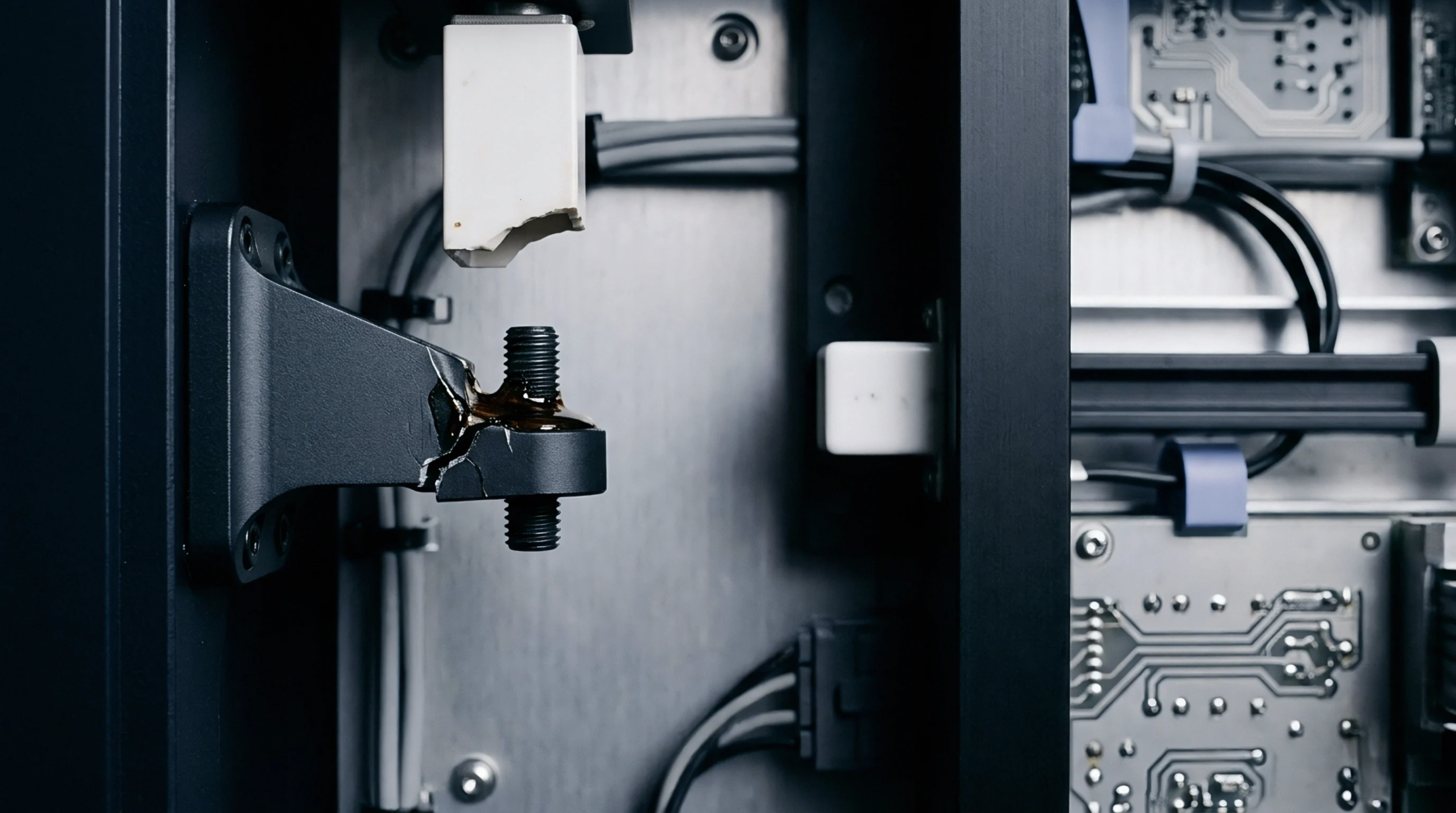
Equipment precision dictates the lifespan and quality output of the hardware setup purchased during the initial phase. A mold wears down over successive high pressure injection cycles, which results in microscopic dimensional changes in the final electronic housing. Field calibration ensures that the measurement instruments verifying these dimensions maintain alignment with a primary standard.
Technicians monitor the nre tooling cost as a factor of equipment longevity rather than just the initial procurement price. They quantify the precision of a stamping die or a testing socket against a master gage. If a jig deviates from the tolerance limit, the manufacturer initiates a process adjustment to compensate for the wear.
This adjustment consumes time and creates additional internal expense that exceeds the static figures found in the contract.
Integration Risk
System compatibility demands that designers verify every connection point before they order the metal dies or specialized soldering templates. Inaccurate design documentation results in a mismatch between the fixture and the circuit board. Such nre tooling cost multiplies if a modification becomes mandatory after the initial fabrication run fails to align with the assembly machine interfaces.
Engineers verify the CAD files against the physical machine specifications to prevent interference. A misalignment between the software coordinate system and the machine hardware causes errors in the automated placement of surface mount components. Verification occurs in a simulated environment before a shop floor manager approves the build of the final hardware.
Vendor Qualification
Certification standards confirm that a fabrication facility possesses the capacity to handle the requirements dictated by the initial purchase of hard assets. Procurement officers measure the capability of a shop against the complexity of the custom molds they intend to produce. An nre tooling cost remains fixed only when the vendor provides accurate lead time estimates and material durability guarantees.
Reliability hinges on the ability of the supplier to provide maintenance for the equipment they manufacture. A certificate of conformance accompanies the delivery of these tools to ensure the assembly line starts within the defined tolerance range. Final production capability depends upon the precision of the infrastructure investment.