Mass Transport
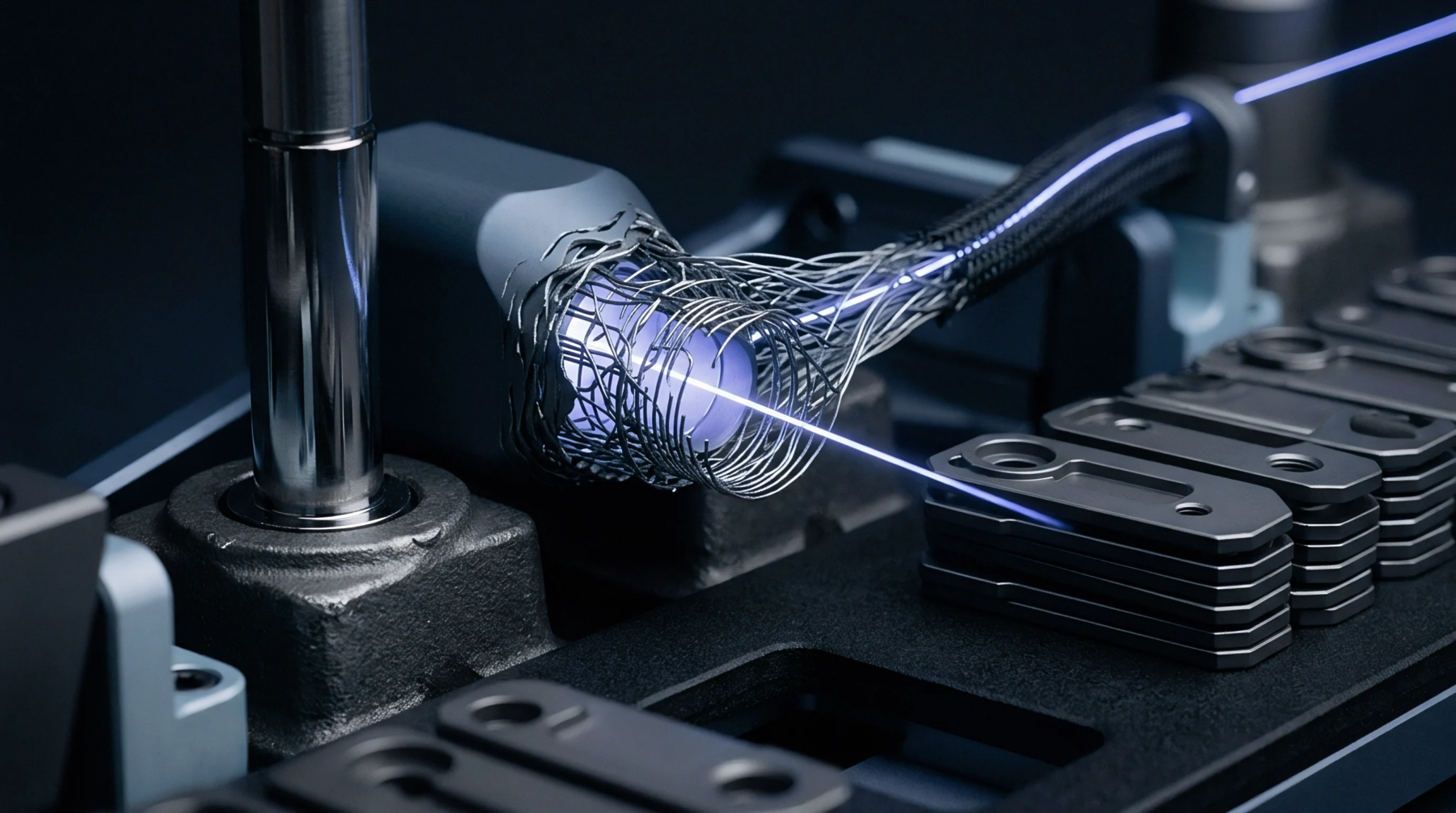
Dynamic physical behavior occurs when the rate of gas release from a material is governed by internal diffusion limits rather than thermodynamic phase balance. This transport behavior, designated as non-equilibrium desorption, happens when polymer packages are heated rapidly during solder reflow, preventing the internal moisture from maintaining a steady state concentration with the surrounding environment. It governs the localized moisture pressure buildup that can cause package cracking.
Thermal Effect
Rapid heating cycles drive the internal moisture out of electronic packages faster than natural diffusion allows, creating high localized gradients. This transient state alters the stress profile within the plastic package, as the escaping vapor cannot reach equilibrium with the external dry environment. Calibration of moisture sensors must account for this transient mismatch to avoid underestimating internal stresses.
Analytical Framework
Mathematical modeling of this transient phase requires coupled heat and mass transfer equations that do not assume local thermodynamic equilibrium. These models use temperature dependent diffusion coefficients to calculate the instantaneous moisture concentration. This approach reveals peak internal pressure points that simpler equilibrium models miss.
Measurement Target
The rate of mass loss is measured using high precision thermogravimetric balances under dynamic heating profiles. These measurements verify the desorption coefficients across different package geometries.