Separation geometry
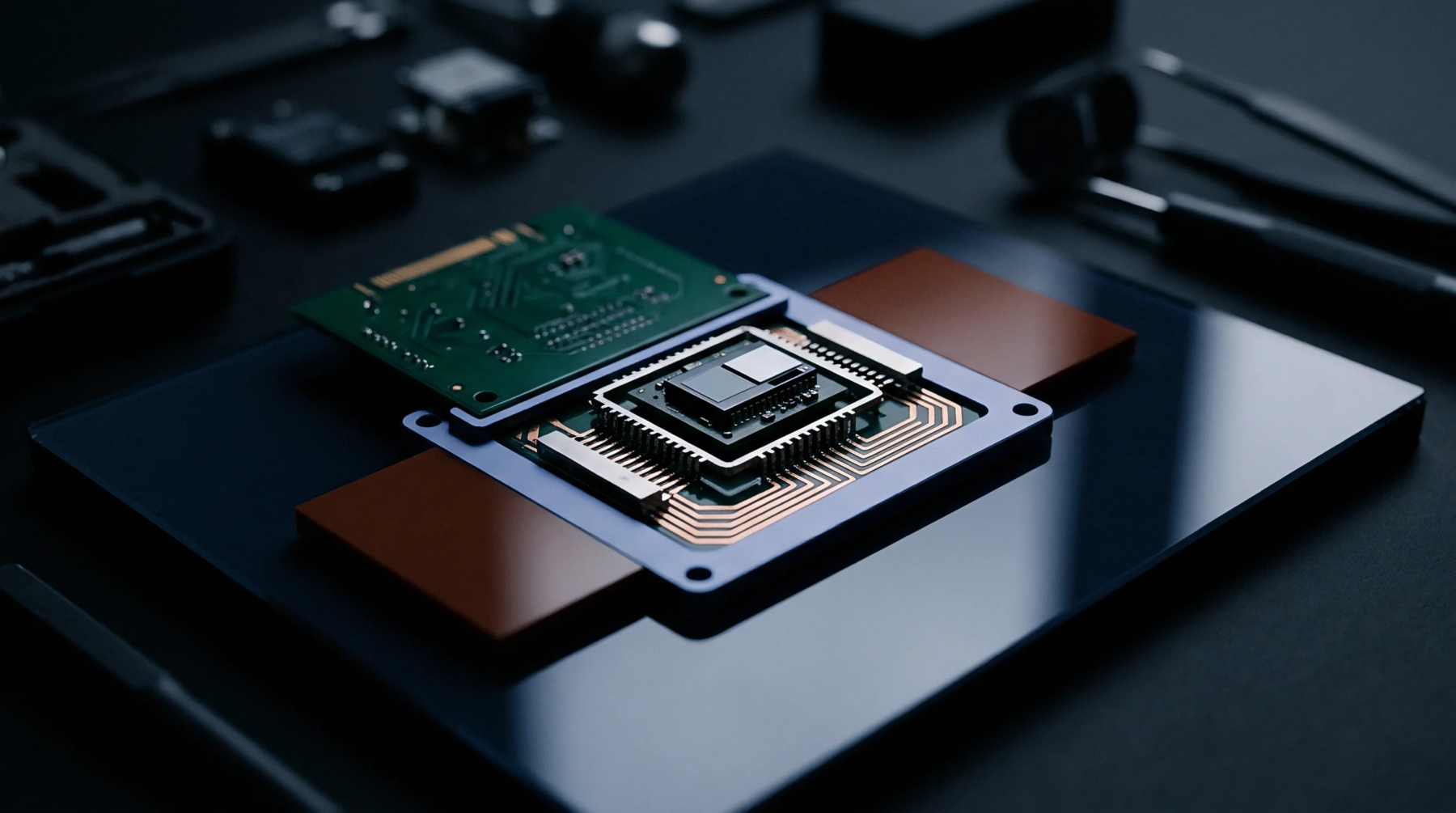
Perforated copper extensions allow printed circuit boards to remain attached during automated assembly before undergoing mechanical excision. A mouse bite tab utilizes a specific pattern of small holes drilled along the break line to reduce the structural strength of the board edge. This feature ensures clean separation without damaging the internal conductive layers or the surrounding fiberglass substrate.
Precision in the diameter and spacing of these holes determines the amount of stress transferred to the component during the breakout phase.
Stress distribution
Mechanical load concentrates at the narrow bridges of material between the drilled holes during the separation event. High density in the pattern facilitates easy removal but risks unwanted fractures if the board experiences vibration or thermal cycling prior to final assembly. Each tab configuration requires verification against the tensile strength of the laminate to prevent delamination of the copper traces.
Engineers typically place these features at neutral zones to minimize the impact of residual burrs on the board perimeter.
Mechanical tolerances
Fabrication shops define the precise size and pitch of these apertures based on the board thickness and the rigidity of the substrate material. Standardized requirements dictate that the remaining stub after the breakout operation must fit within the specified edge profile of the final housing or enclosure. Variations in the drill bit wear or the feed speed of the routing equipment influence the consistency of the break point.
Excessive burrs or ragged edges indicate a need for recalibration of the drilling sequence or a transition to a different routing profile.
Assembly integration
Automated pick and place machines require uniform board edges to ensure accurate registration during the mounting of components. The presence of these tabs permits multiple circuits to move through the assembly line as a single panel. Efficient production cycles rely on the predictable failure of these connection points during the final singulation process.
Proper design of the breakout points prevents structural deformation in the sensitive components positioned near the panel edge.