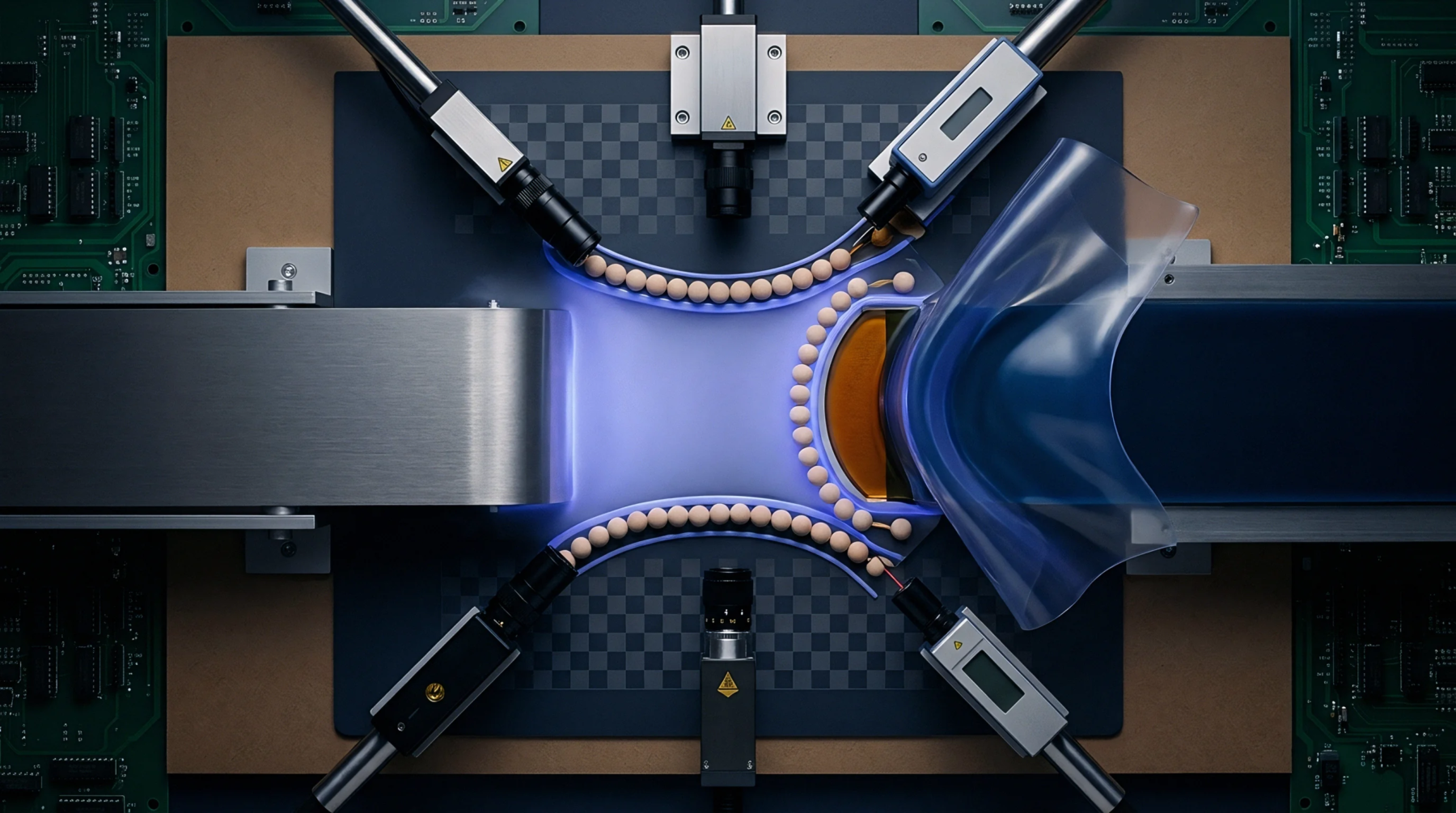
Dispensing Instrument
Precision fluidic control components regulate the delivery of sub-microliter volumes of liquid in automated diagnostic platforms. A micro dispense valve manages these tiny amounts by rapidly opening and closing a small orifice using precise mechanical movement. The small scale of the fluid pathway requires high response speeds and low internal volume.
Valve Actuation
Electromagnetic or piezoelectric drivers actuate the internal pin or membrane to control the fluid path. The rapid motion creates a high-velocity jet that ejects the droplet cleanly from the nozzle. This action prevents the formation of satellite droplets and eliminates fluid retention on the nozzle tip.
Operational Boundary
Fluid viscosity and surface tension limit the range of dispense volumes that the device can reliably handle. High viscosity fluids require higher actuation forces and wider channels, while low surface tension liquids can lead to unwanted weeping or dripping. Operating temperatures must be controlled to prevent changes in fluid properties during continuous dispensing cycles.
The chemical compatibility of the wetted materials also limits the types of solvents or reagents that can be processed.
Volumetric Precision
The combination of high-speed actuation and stable fluid pressure produces highly repeatable dispense volumes. This level of repeatability enables reliable quantitative chemical analysis.