Interface Separation
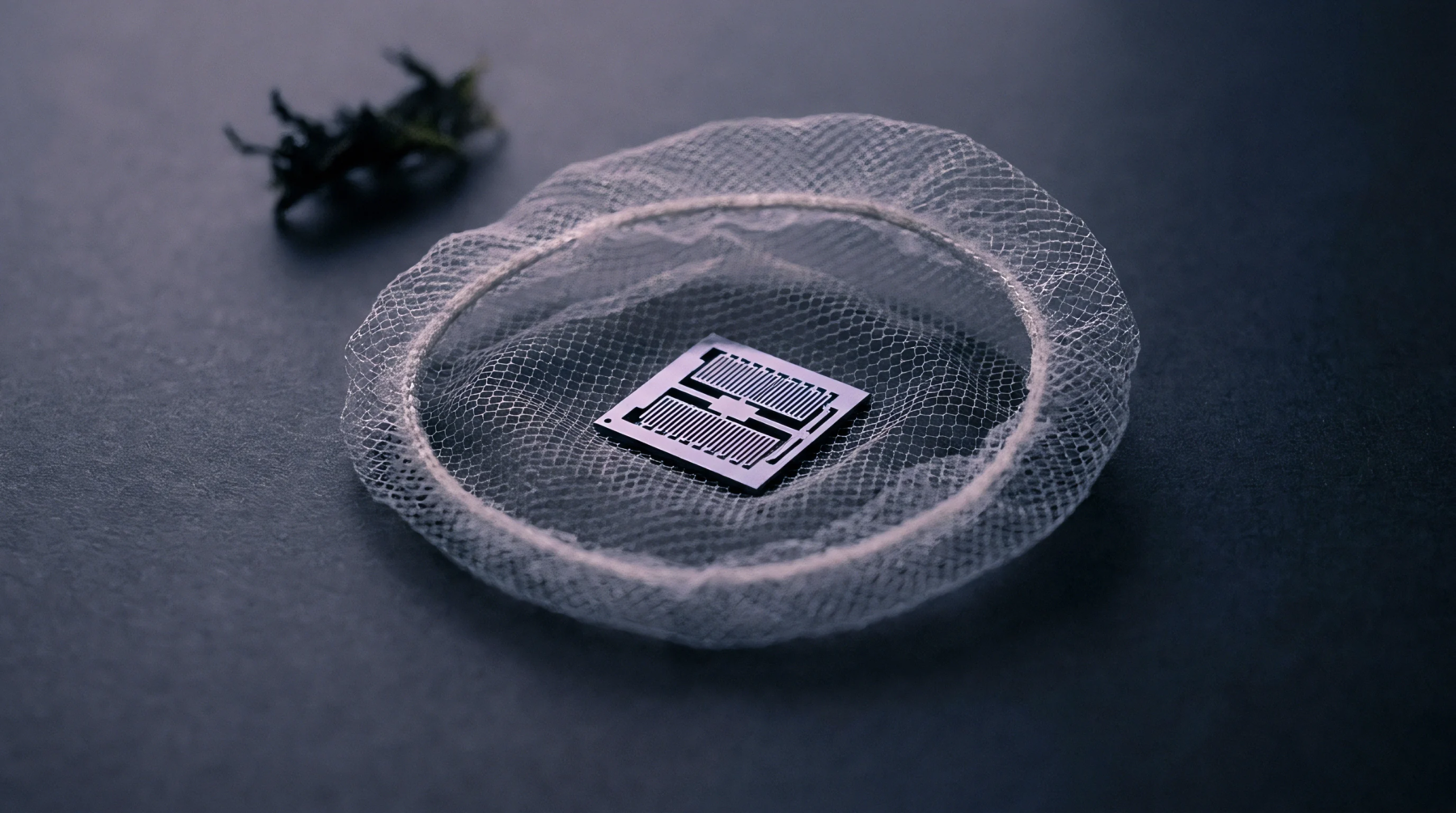
Loss of chemical adhesion between the metal alloy support structure and the surrounding plastic molding compound creates a physical gap within a semiconductor package. Leadframe delamination compromises the electrical integrity of the device by providing a pathway for moisture to ingress toward the active silicon circuitry. This process frequently occurs at the boundary where the metallic surface finish lacks sufficient surface energy to bond with the thermoset resin.
Thermal cycling stresses the interface because the materials possess mismatched coefficients of expansion which drive the two components apart during temperature fluctuations.
Bonding Mechanics
Chemical bridges form during the curing stage of assembly when organic additives in the molding compound react with the oxidation layer on the metal surface. These bonds require specific surface treatments to maintain mechanical strength under load. Moisture vapor pressures build inside any existing gaps during soldering operations and force the gap to expand until the internal circuit fails.
Contamination on the metallic surface prevents the resin from wetting the metal and leaves voids that propagate as the package cools.
Verification Protocol
Acoustic microscopy detects these internal voids by reflecting ultrasound waves off the density change at the interface. A change in the acoustic impedance at the bond line shows a high contrast zone on the resulting scan. Practitioners use these images to map the extent of the separation and to verify if the gap reaches the exterior of the package or stops within the encapsulation body.
Calibration of the transducer involves a reference block with known artificial defects to ensure that the equipment resolves small separations without introducing signal artifacts.
Thermal Consequence
Heat dissipation through the package pins becomes restricted when the air gap acts as an insulator rather than a conductor. Performance drops when the trapped heat increases the junction temperature of the semiconductor beyond the operational limit. This shift causes a steady degradation of output signals until the device eventually fails.
The separation limits the service life of the component by accelerating the corrosion of the metallic frame once oxygen reaches the reactive surfaces.