System Connectivity
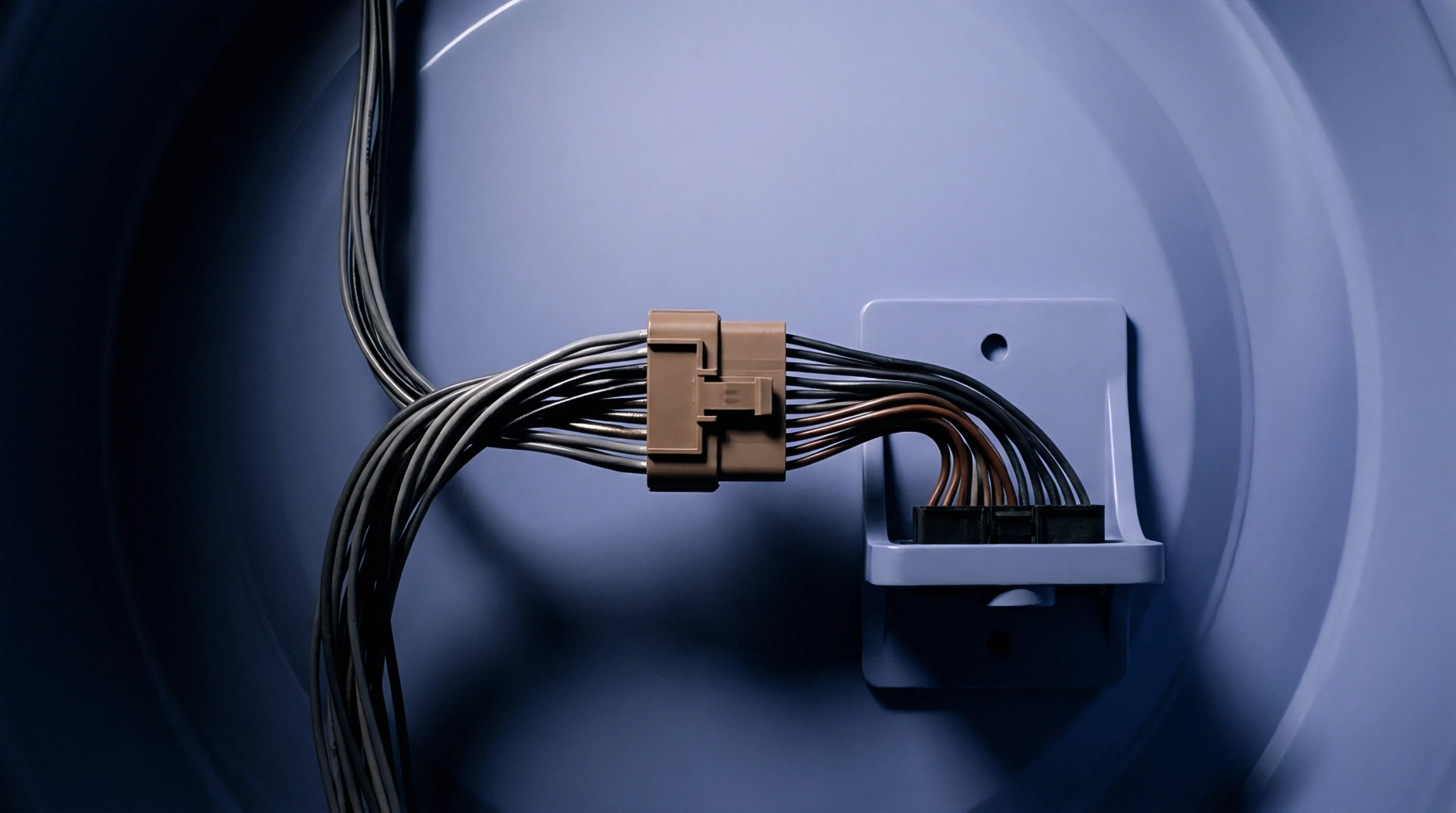
Engineering processes for connecting measurement hardware to automated control networks ensure that raw physical data becomes accessible for decision making. Successful industrial sensor integration requires the alignment of physical mounting, electrical wiring, cable shielding and digital communication protocols. The scope of this activity covers everything from the sensor head to the programmable logic controller.
Signal Conditioning
Low-level voltages from transducers must be converted into signals that resist electromagnetic noise. Within the framework of industrial sensor integration, developers often use 4-20 mA current loops or digital buses to transmit readings over long distances. Proper shielding prevents interference from motors or high-voltage lines.
This conversion stage is essential to maintain the fidelity of the data as it moves from the plant floor to the control room.
Interface Standard
Software layers manage the exchange of information between the hardware and the supervisory system. When industrial sensor integration follows a standard like IO-Link or Modbus, the system can automatically detect the device type and its specific parameters. This standardization simplifies the replacement of faulty units.
Data Integrity
High sampling rates and low latency are necessary for the control of high-speed machinery. If the industrial sensor integration layer introduces too much delay, the control loop becomes unstable. Calibration offsets must be stored within the integration software to maintain measurement accuracy.