Mechanical Failure
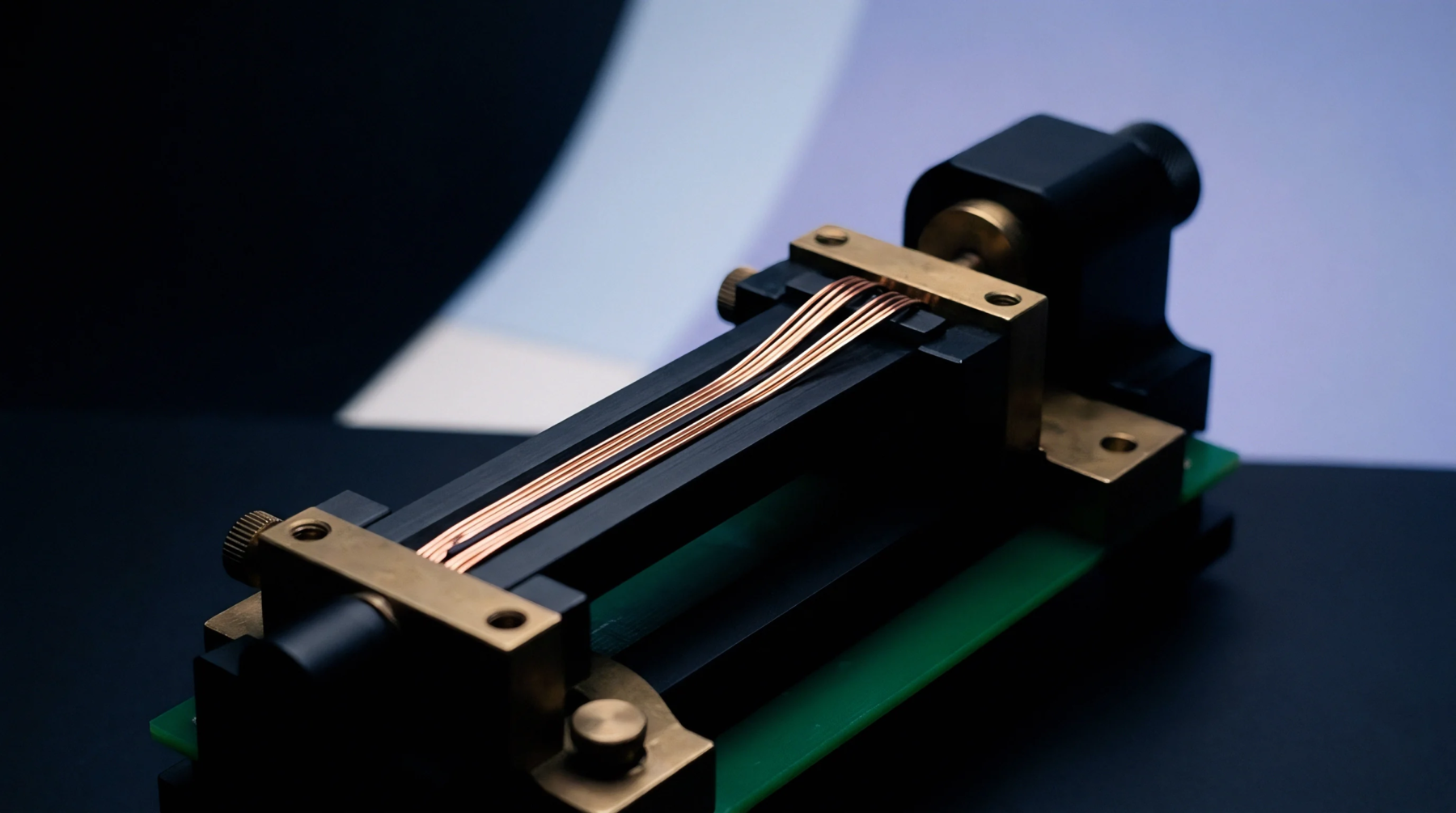
Mechanical failure modes occurring under stress levels below the yield strength of a material involve the accumulation of microscopic damage over millions of load cycles. Use of high cycle fatigue characterizes this behavior where elastic deformation dominates and the total life is governed by the initiation of a crack. Engineers use this parameter to determine the safe operating life of rotating components and vibrating structures within a specified load envelope.
Endurance Threshold
Fatigue limits represent the maximum stress amplitude that a material can withstand for an infinite number of cycles without failure. Some alloys exhibit a clear horizontal asymptote on a stress cycle curve while others continue to weaken gradually. Verification of this threshold requires testing across a range of load magnitudes to establish a statistical probability of survival.
Fracture Initiation
Surface irregularities and internal inclusions act as sites where cracks first begin to form under cyclic loading. Small defects that are negligible under static loads become critical when subjected to repeated stress reversals. Polishing and surface treatments are common methods used to extend the duration of this initiation phase.
Testing Specification
Standard protocols define the frequency and wave shape of the applied load to ensure reproducibility. Resonance testing machines allow for rapid accumulation of cycles. Results are typically sensitive to environmental conditions such as humidity and temperature which must be controlled throughout the procedure.