Structural Configuration
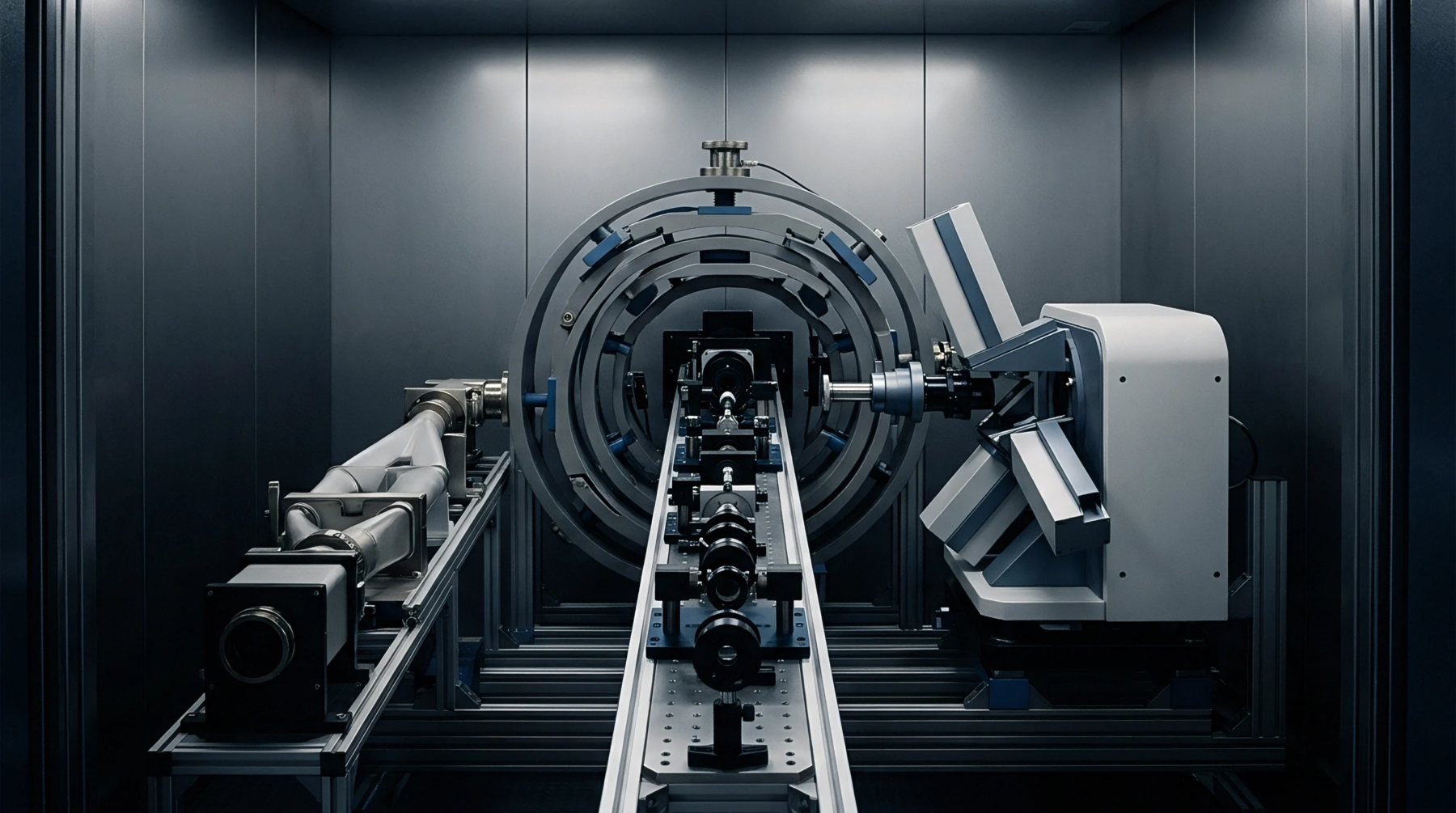
Mechanical housing engineered to guide a fluid sample past a sensing element while maintaining specific hydraulic and optical conditions. Optimized flow cell design prevents the formation of stagnant zones where debris or bubbles might accumulate. This architecture determines the residence time of the sample and the speed of the instrument response.
Materials must be chemically compatible with the process stream to avoid corrosion.
Fluidic Interaction
Internal geometry regulates the velocity and turbulence of the liquid as it moves through the chamber. Within a typical flow cell design, the inlet and outlet ports are positioned to ensure a representative sample crosses the sensor face. Sharp turns are avoided to minimize pressure drops.
Optical Path
Transparent windows allow light to pass through the fluid for spectroscopic or photometric analysis. In a high precision flow cell design, the path length is fixed to provide a constant basis for concentration calculations. Reflections are controlled through anti-reflective coatings or angled glass.
Maintenance Access
Periodic cleaning is required to remove biofilms or mineral scaling that obscure the signal. A modular flow cell design allows for rapid disassembly without disturbing the surrounding pipework. System integrity depends on the periodic replacement of elastomeric seals to prevent sample leakage.