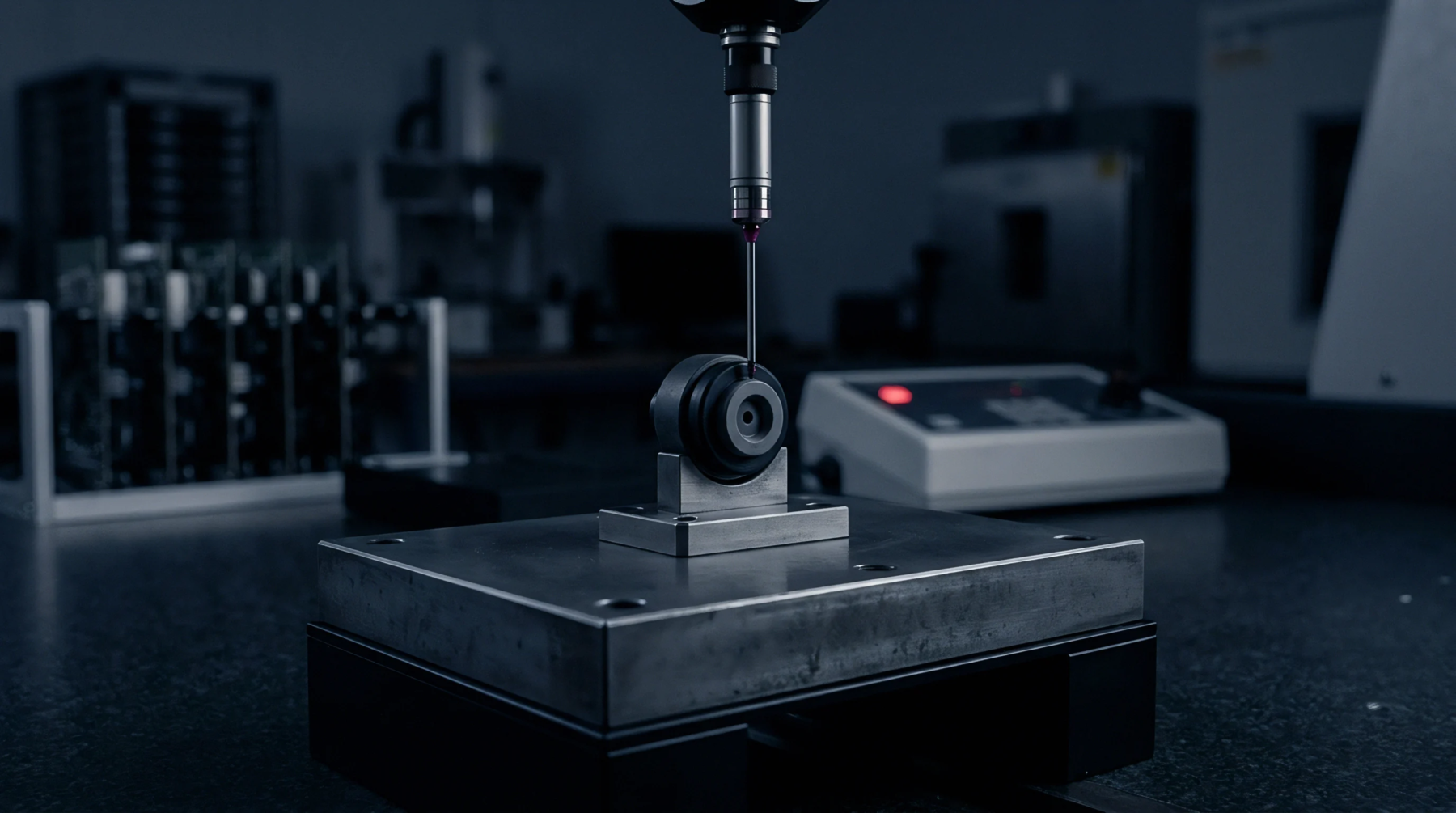
Operational Testing
In-situ validation protocols confirm that installed sensors perform within their specified limits while operating under process conditions. This field verification activity ensures that instruments do not experience excessive drift between official calibration cycles. It offers a practical method to detect sensor failure without removing the device from the pipeline.
Verification Procedure
Industrial environments require regular checks using portable dry wells or reference standard instruments. During field verification, the sensor is compared against a secondary standard placed in the same thermal zone. The technician notes the offset and compares it with the allowed drift threshold.
A formal record is generated to track long term performance trends, creating a historical log that helps predict sensor failure before it occurs.
Environmental Influence
Severe process conditions like vibration and humidity can accelerate the degradation of delicate electronic components. These field conditions often cause the measurements to deviate from the factory baseline. Regular field verification helps isolate these issues from actual sensor wear.
It provides immediate feedback on system integrity.
Accuracy Tolerance
The maximum permissible error defined by plant standards determines the limit of acceptable sensor deviation. When the field verification reveals a discrepancy exceeding this boundary, the sensor is scheduled for laboratory calibration. This maintains the safety and efficiency of the overall operation.