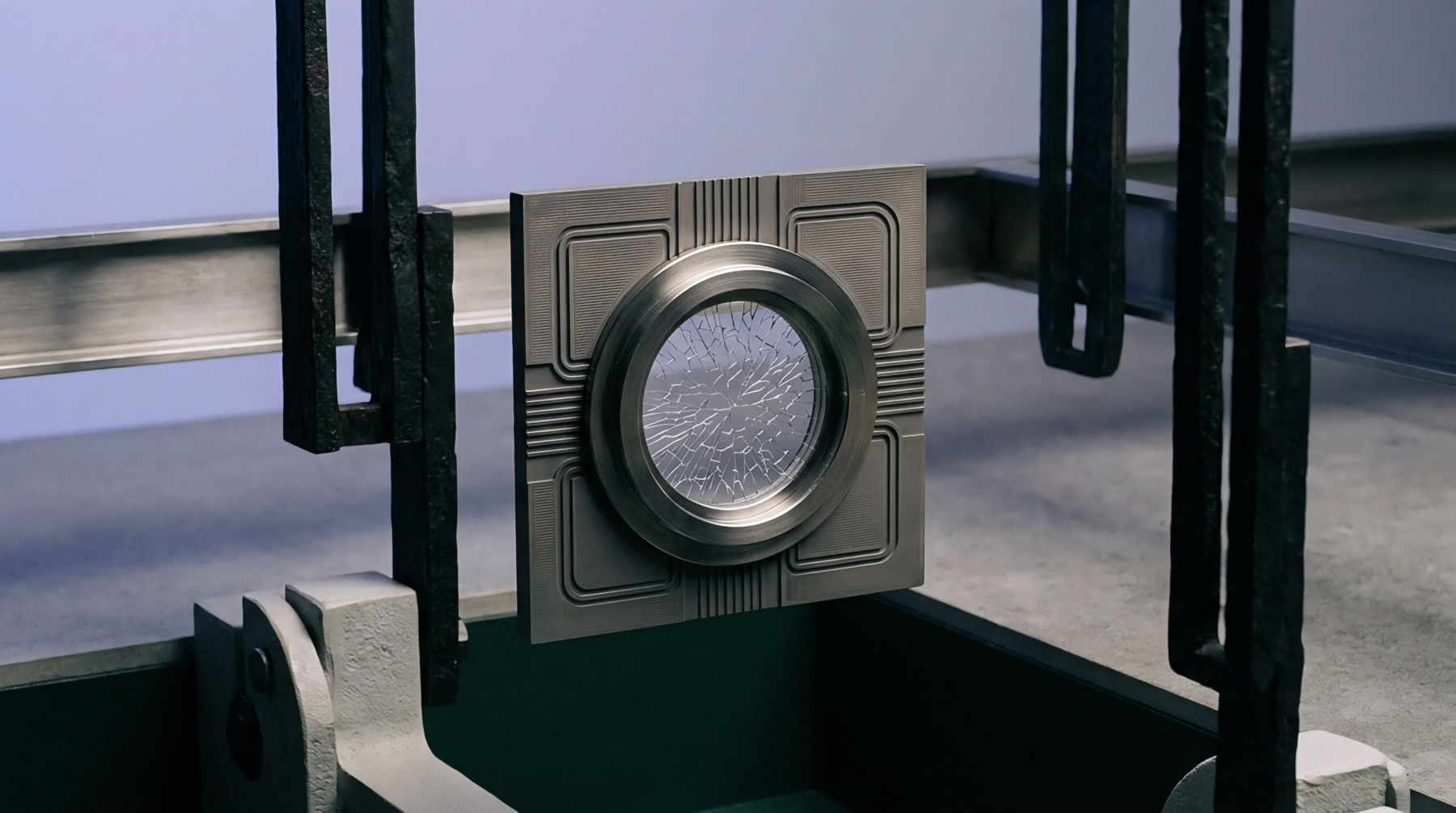
Optical Resonator
Optical bandpass filters and resonators utilize parallel reflecting surfaces to select specific wavelengths of light. A fabry perot cavity consists of two highly reflective mirrors aligned parallel to each other with a fixed gap in between. This structure traps light within the gap, causing multiple internal reflections that produce constructive or destructive interference.
The transmission spectrum of the cavity displays sharp peaks corresponding to the resonant wavelengths that match the cavity dimensions.
Interference Mechanism
Multiple reflections of light waves between parallel boundaries generate precise interference patterns that depend on the gap distance. In a fabry perot cavity, the phase difference between successive transmitted beams is determined by the distance between the mirrors and the refractive index of the medium. When this phase difference is an integer multiple of two pi, constructive interference occurs and light passes through the cavity with high intensity.
Other wavelengths are reflected back toward the source.
Wavelength Selectivity
Small physical shifts in the boundary separation alter the output spectrum of the resonant device. When a fabry perot cavity is used for pressure or temperature sensing, environmental changes alter the mirror spacing or the refractive index of the gap. This physical change shifts the transmitted wavelengths, allowing precise measurement of the environmental variable.
Sensor Resolution
High precision optoelectronic systems require stable resonators to maintain narrow linewidths. The spectral resolution of a fabry perot cavity is determined by its finesse, which depends on mirror reflectivity.