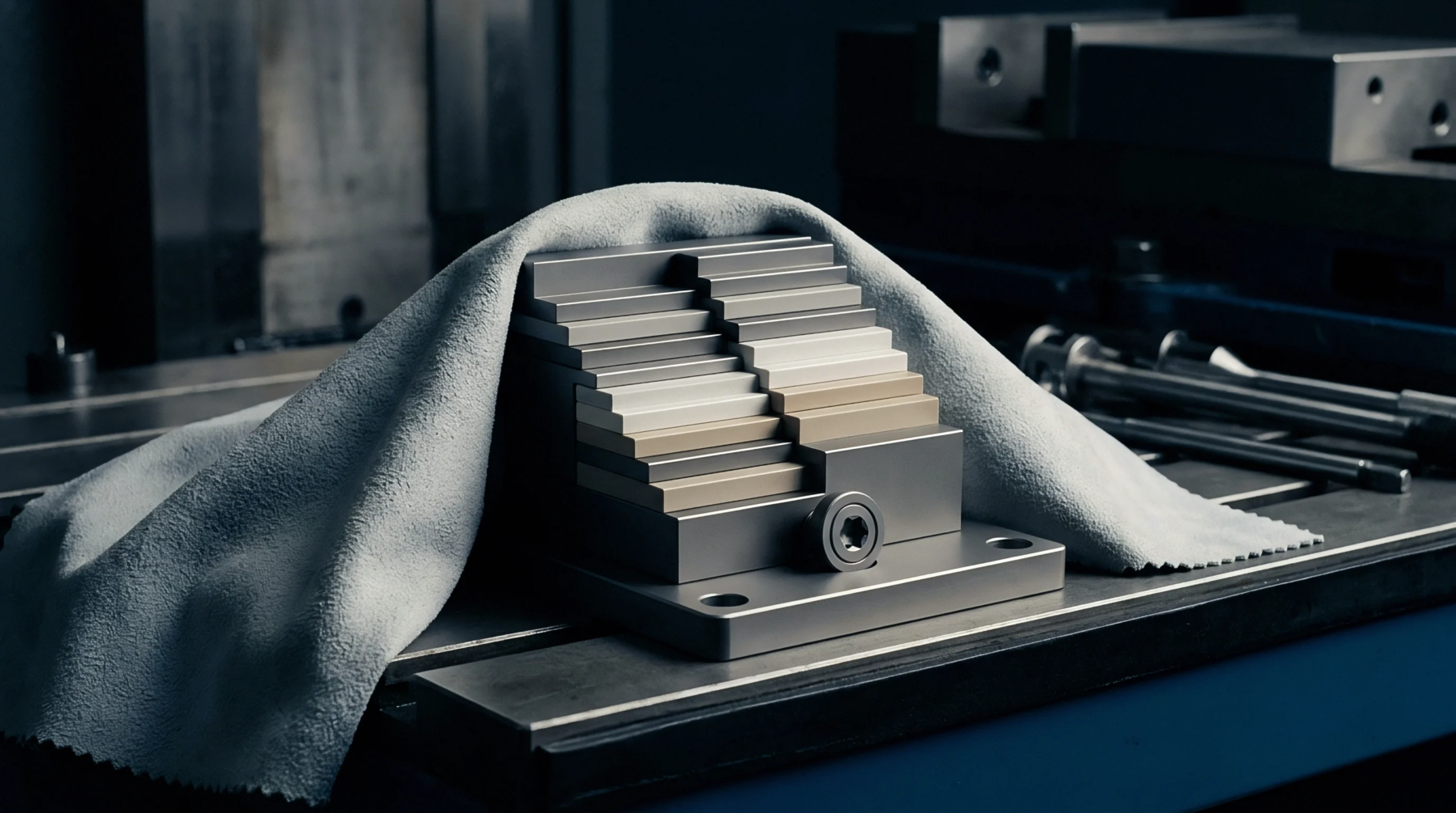
Structural Equilibrium
Sensor physical structures maintain invariant mechanical and electrical characteristics under applied force and environmental stress. An electromechanical stability metric evaluates structural resistance to creep, geometric distortion, and resonant frequency shifts over operational lifespans. Microelectromechanical systems and precision transducers require stable structural anchors to maintain accurate calibration parameters.
Sourcing specifications define maximum acceptable drift limits during prolonged mechanical vibration and thermal cycling.
Resonance Drift
Mechanical equilibrium depends on material stiffness, internal stress distribution, and mounting interface geometry. Elastic hysteresis in suspended structural elements creates offset shifts when mechanical loads are applied and released. Die attach adhesives and ceramic substrate packages introduce parasitic stress through thermal expansion mismatches.
Stress relaxation over time alters internal spring constants, shifting micro-gyroscope and accelerometer sensitivity parameters away from factory settings.
Temperature Variation
Ambient temperature changes induce structural dimension shifts and alter material Young’s modulus values. Resonant frequencies of micromechanical structures shift predictably with temperature, requiring active hardware compensation or software lookup tables. High-g shock events can induce permanent deformation or micro-fractures in silicon flexures, causing irreversible baseline offset shifts.
Vacuum encapsulation degradation increases viscous air damping, reducing mechanical quality factor and degrading signal-to-noise ratio.
Mechanical Boundary
Qualification testing mandates continuous monitoring under full thermal and mechanical stress profiles.