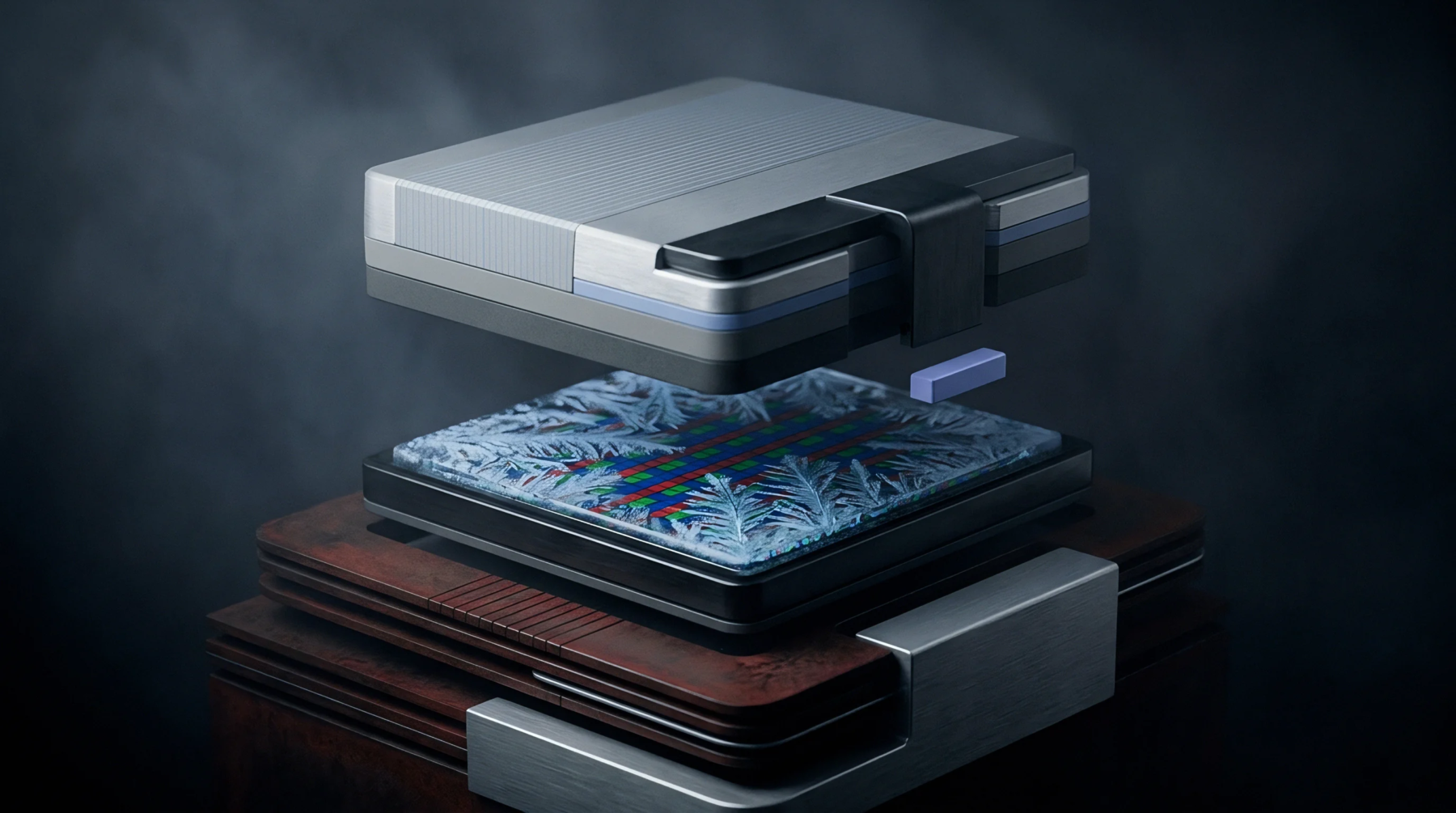
Measurement Junction
Sensor arrays designed for localized gradient measurement use paired junctions of dissimilar conductors to output a voltage proportional to a temperature difference. Implementations of differential micro-thermocouples utilize thin-film deposition to achieve response times on the order of microseconds. This design permits the direct sensing of microscale heat fluxes without the need for absolute temperature references at each point.
Thermal Loading
Sub-millimeter probes are prone to thermal shunting, where the presence of the sensor itself alters the temperature distribution of the target object. Minimizing the cross-sectional area of the metallic traces reduces the heat conducted away from the measurement site, preserving the integrity of the localized gradient.
Sensitivity Threshold
Electric potential output is typically in the range of microvolts per degree Celsius, which necessitates low-noise amplification circuitry to resolve sub-millikelvin variations. External electromagnetic fields or parasitic thermocouple effects at the instrument terminals introduce measurement errors that must be mitigated by shielding and differential routing. The limit of resolution is determined by the thermal noise of the junction resistance.
Calibration Reference
Establishing the transfer function requires a highly stable thermal bath and a high-precision reference thermometer. Sourcing laboratories verify the accuracy of the deposited materials against internationally recognized thermoelectric voltage tables.