Thermal Displacement
Dimensional changes occur at different rates when dissimilar materials joined together are subjected to temperature fluctuations. This differential expansion arises from the mismatch between the coefficients of thermal expansion of the board substrate and the copper traces or ceramic components mounted to it. The resulting shear stresses concentrate at the solder joints, which can lead to fatigue or joint rupture during thermal cycling.
Designers must match material properties to prevent these destructive stresses from developing during operation.
Stress Analysis
Mechanical stress modeling evaluates the shear strain generated at the interface between the silicon die and the ceramic package. By analyzing differential expansion, engineers calculate the force exerted on each solder ball across the temperature range. Thick copper planes reduce the overall in-plane expansion of the board, aligning it closer to the behavior of the mounted components.
Mitigation Strategy
Material selection provides the primary defense against thermal stress by utilizing substrates with tailored coefficients of expansion. Underfills are often applied beneath large area array packages to distribute the shear stress over the entire surface instead of letting it concentrate on the outermost solder balls.
Metrology Control
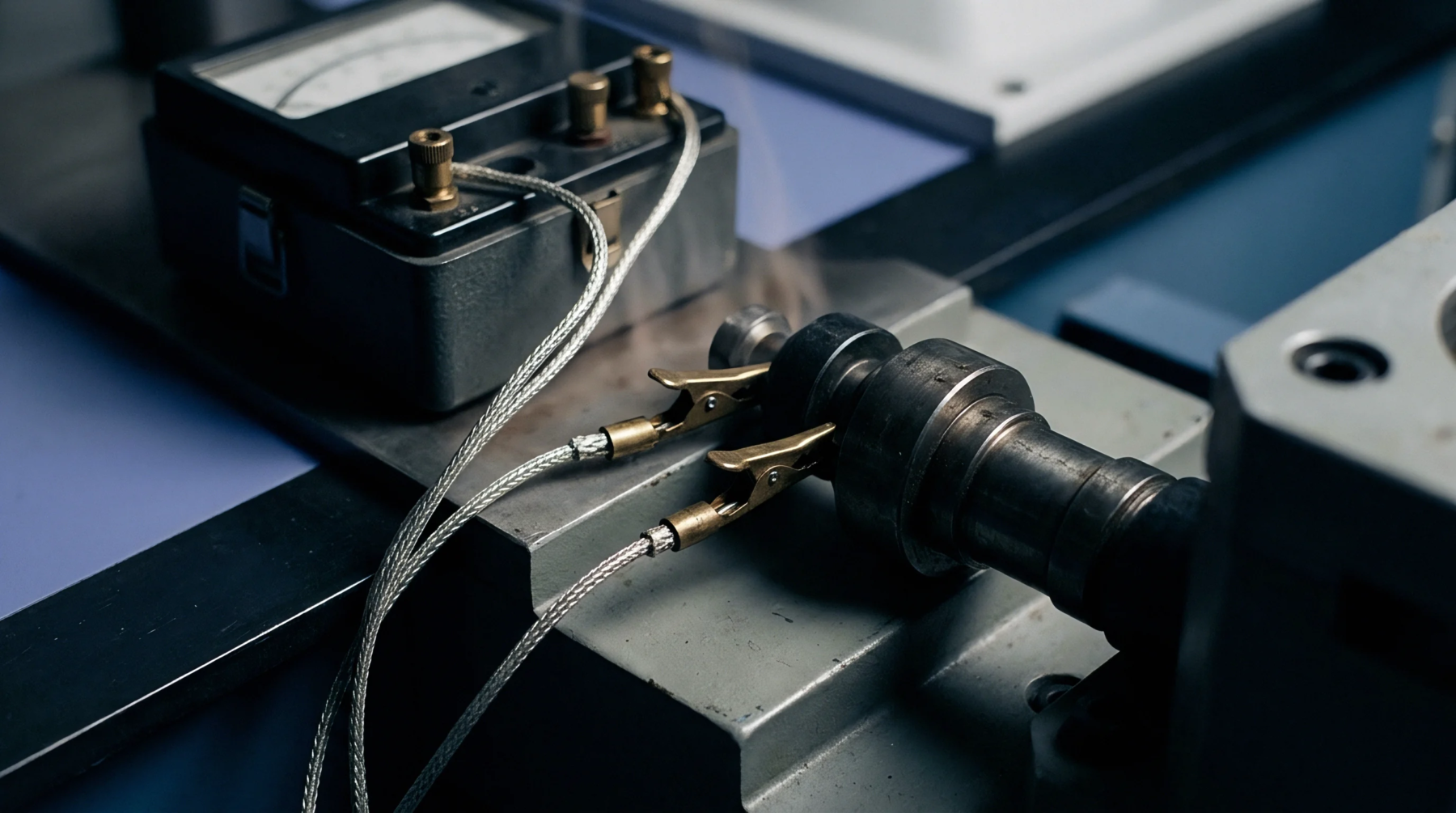
Thermomechanical analyzers verify material behavior by measuring dimension changes across a wide temperature range. This testing confirms that the expansion rates stay within tolerance.