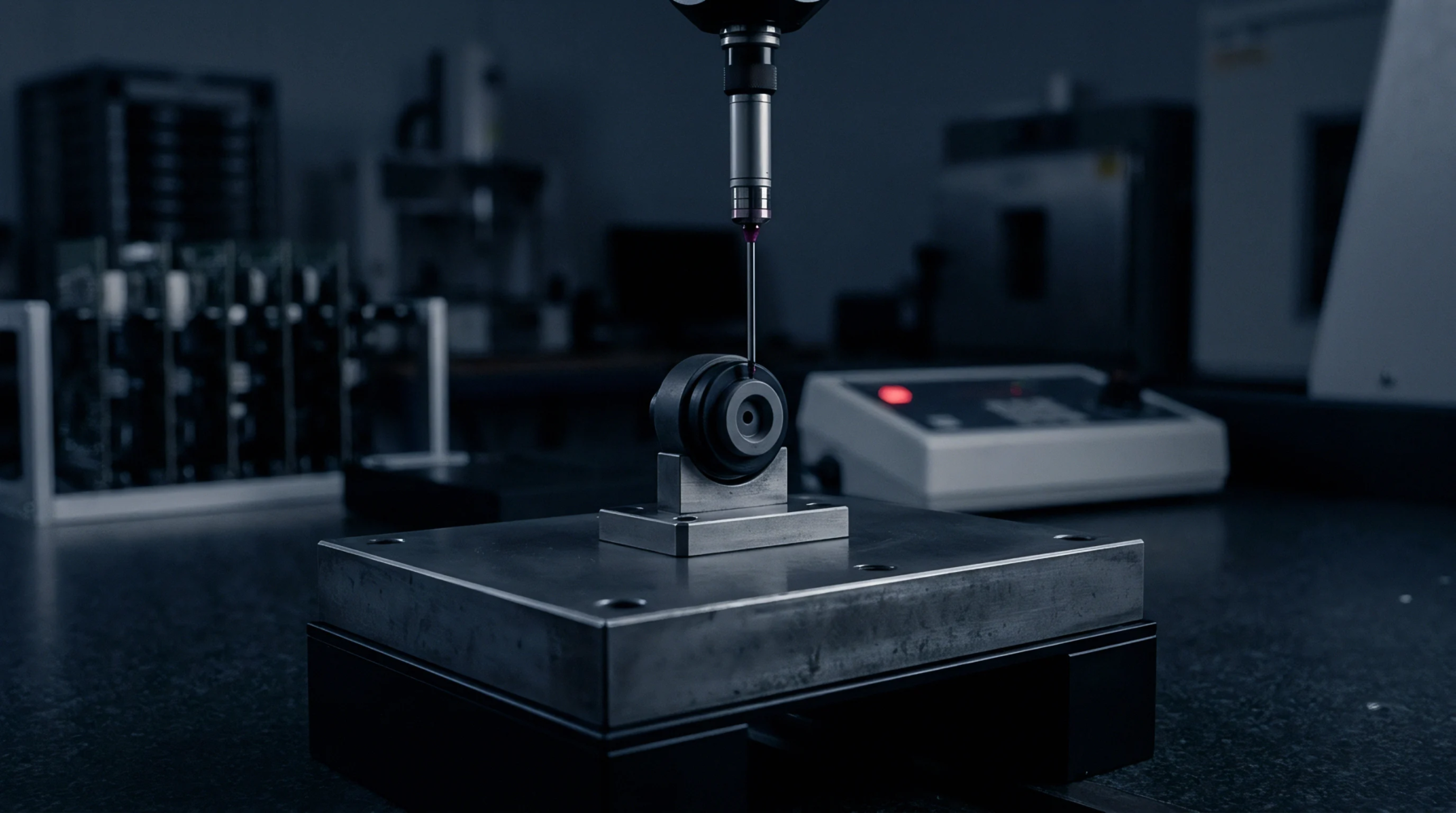
Manufacturing Quality Metric
Manufacturing quality metrics track the percentage of electronic components that survive accelerated life testing without failure. High burn-in screening yield indicates that the production process is stable and the materials are free from latent defects that cause early mortality. This measurement occurs after the devices have been subjected to elevated temperatures and voltages for a fixed duration.
Infant Mortality
Electronic parts often exhibit a bathtub curve of reliability where failures are most frequent at the beginning and end of their lifecycle. The burn-in screening yield quantifies how many units passed this initial high risk period during controlled stress testing. Low percentages in this stage often prompt an investigation into wafer fabrication or packaging integrity.
Process Optimization
Engineers use the data from these tests to adjust manufacturing parameters and reduce the cost of scrap. While a low burn-in screening yield increases the unit cost, it prevents the delivery of components that would likely fail in the field. Continuous monitoring allows for the detection of drift in the assembly line before it impacts large production batches.
Economic Impact
Total cost of ownership decreases when manufacturers minimize the amount of rework and warranty claims through rigorous testing. High burn-in screening yield confirms process health.