Hydraulic Erosion
Local vapor bubble collapse generates violent liquid micro jets that degrade wetted component boundaries inside high pressure fluid circuits. Internal cavitation destroys precision metallic surfaces through repeated mechanical shock rather than chemical corrosion. Boundary layer detachment triggers rapid pressure drops below the fluid vapor threshold during high velocity transitions.
Cavitation Threshold
System pressure must drop beneath the vapor pressure of the handled liquid to initiate phase change phenomena. Vapor bubbles form within low pressure zones before collapsing violently upon entering higher pressure regions downstream. Flow velocity acceleration through restricted metering orifices drives this local pressure reduction beneath saturation limits.
Metrological Verification
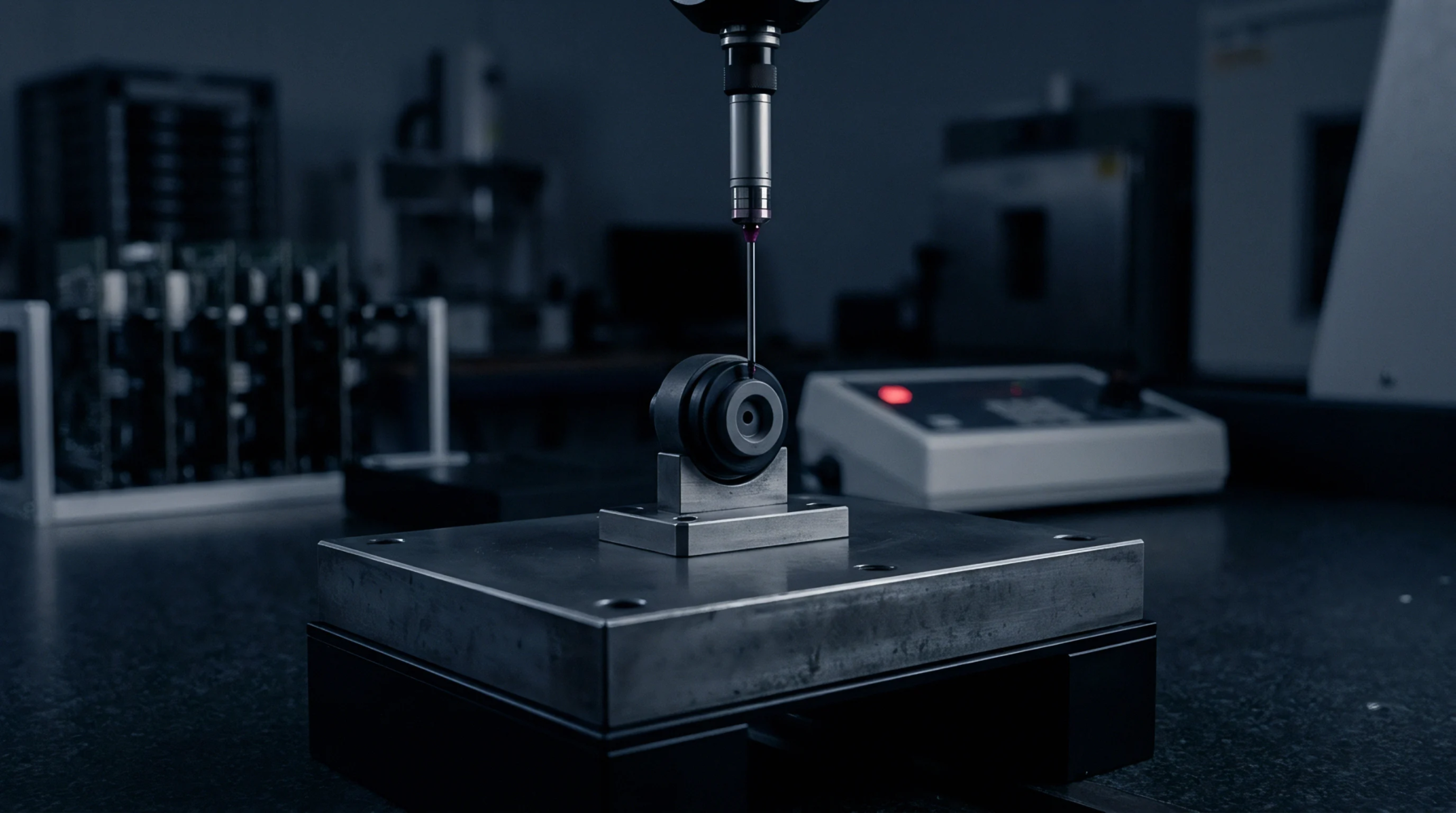
Transducer mounting locations determine whether pressure sensors register high frequency acoustic emissions or damp out hydraulic shock waves entirely. Calibration facilities verify frequency response curves by subjecting piezo electric sensors to controlled impact shock pulses. Metering accuracy degrades permanently once localized pitting alters internal flow geometry near the primary sensing element.
Cavitation Mitigation
Back pressure regulators maintain system discharge above vapor pressure limits to suppress bubble formation throughout the operating range. Downstream throttling valves absorb excess pressure drops across multiple stages rather than forcing a single severe restriction. Fluid temperature control restricts vapor pressure increases that would otherwise widen operating margins toward the cavitation threshold.