Physical Expansion
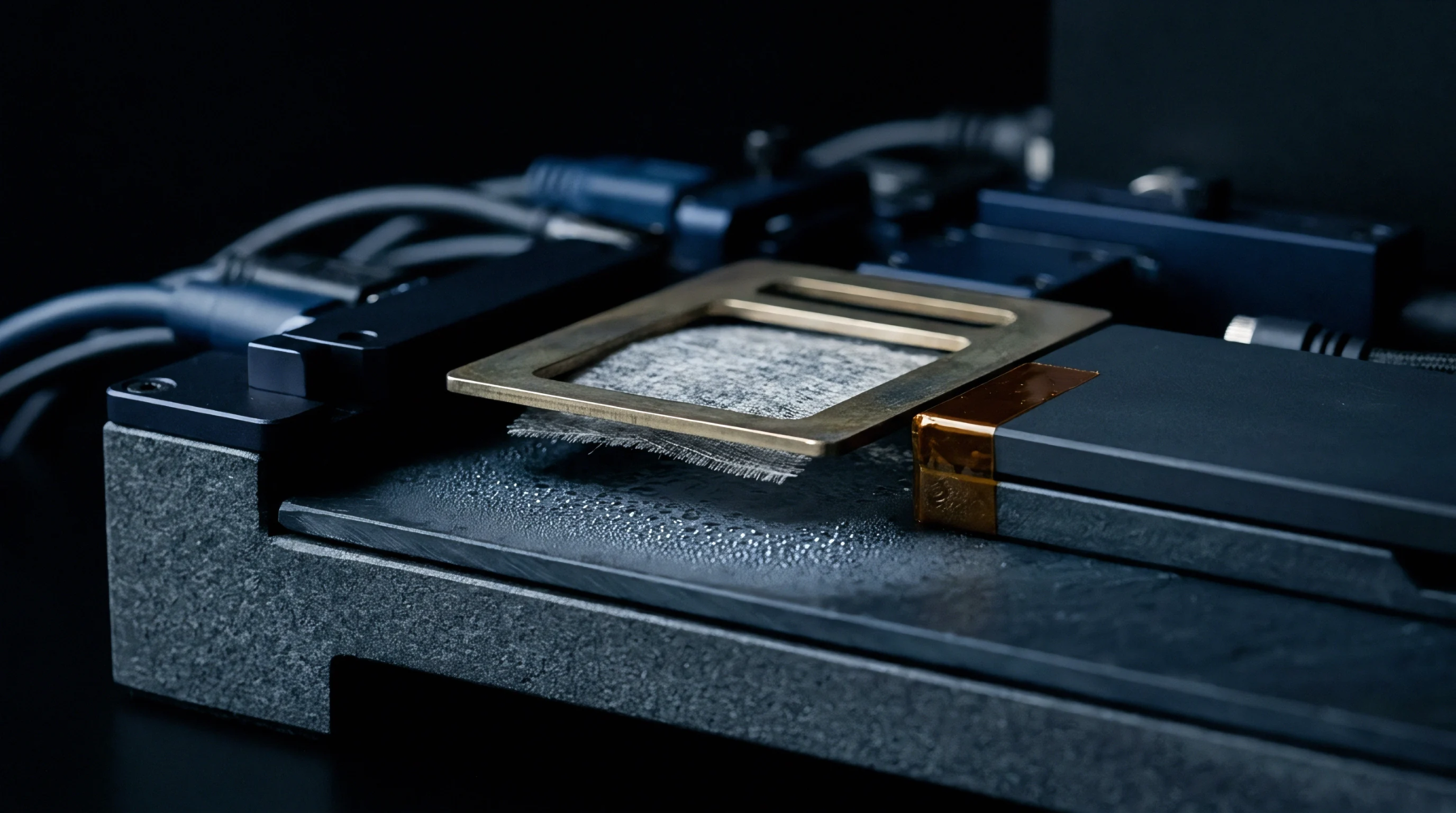
Dimensional expansion resulting from fluid absorption occurs when molecules penetrate the polymer matrix. In volumetric swelling, the material increases in size as the internal chains are pushed apart by the solvent. This behavior is typical in elastomers and plastics exposed to heavy oils or water.
The degree of expansion is determined by the compatibility between the chemical structure of the polymer and the surrounding fluid. If the solubility parameters of the two substances are similar, the material will absorb a larger quantity of the liquid and expand more extensively.
Interaction Mechanism
Diffusion of a liquid into a solid depends on the concentration gradient and the temperature. As volumetric swelling progresses, the mechanical properties of the material often degrade, leading to a decrease in hardness and tensile strength. The process reaches equilibrium when the elastic retraction force of the polymer chains balances the osmotic pressure of the solvent.
Tolerance Bound
Precision components must account for the increase in size to prevent mechanical interference or seal failure. Engineers specify a maximum percentage of volumetric swelling for O rings and gaskets used in fuel systems to ensure they do not jam or extrude from their grooves. Standardized tests involve immersing a sample in a reference fluid for a set period and measuring the change in displaced volume.
Material Selection
Choosing the correct polymer involves matching the resistance of the material to the chemicals present in the environment. Fluoroelastomers are often selected for their low volumetric swelling in the presence of aggressive hydrocarbons. In contrast, hydrogels are designed to maximize this effect for use in sensors or drug delivery systems where a large volume change is desired.