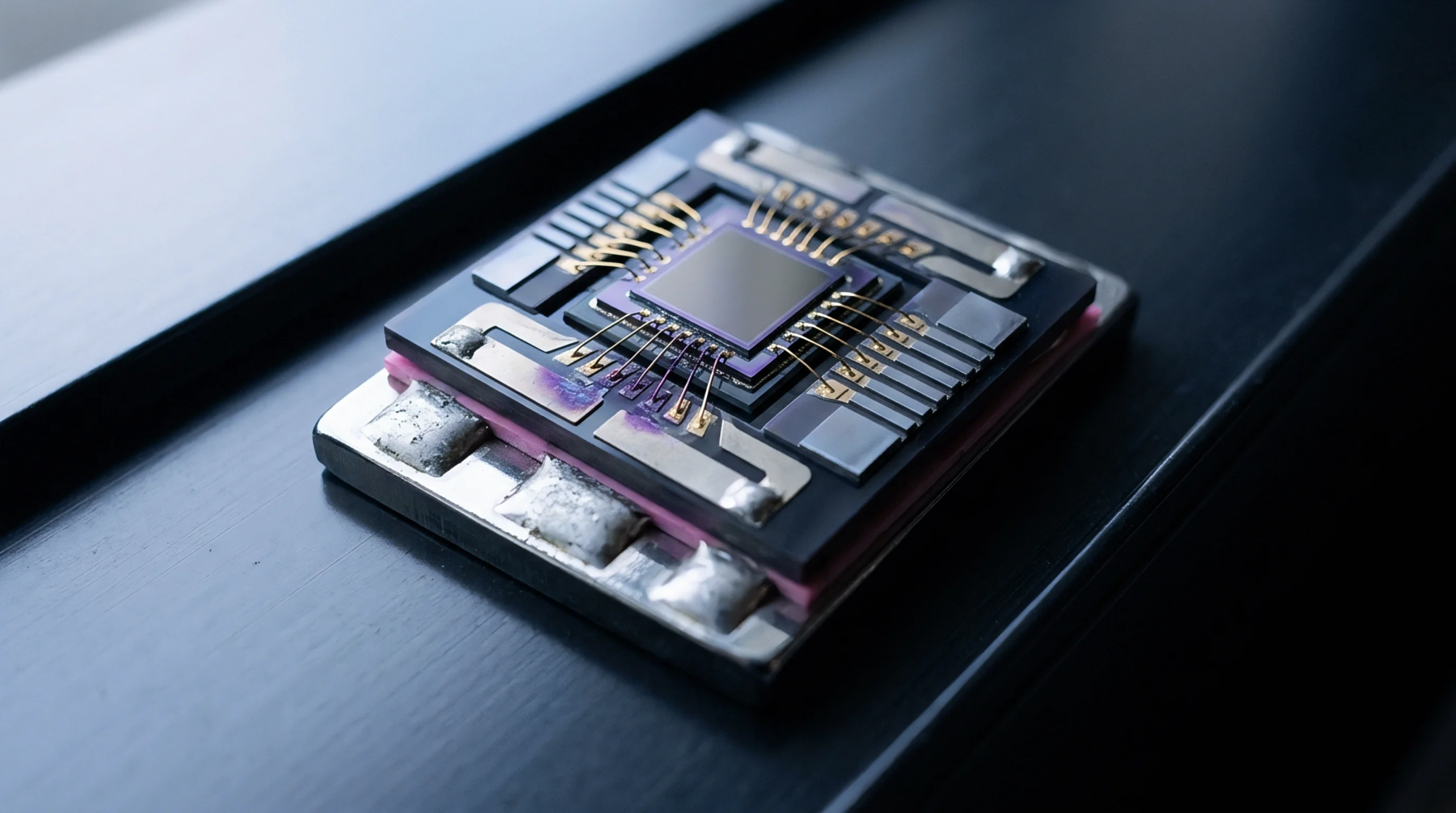
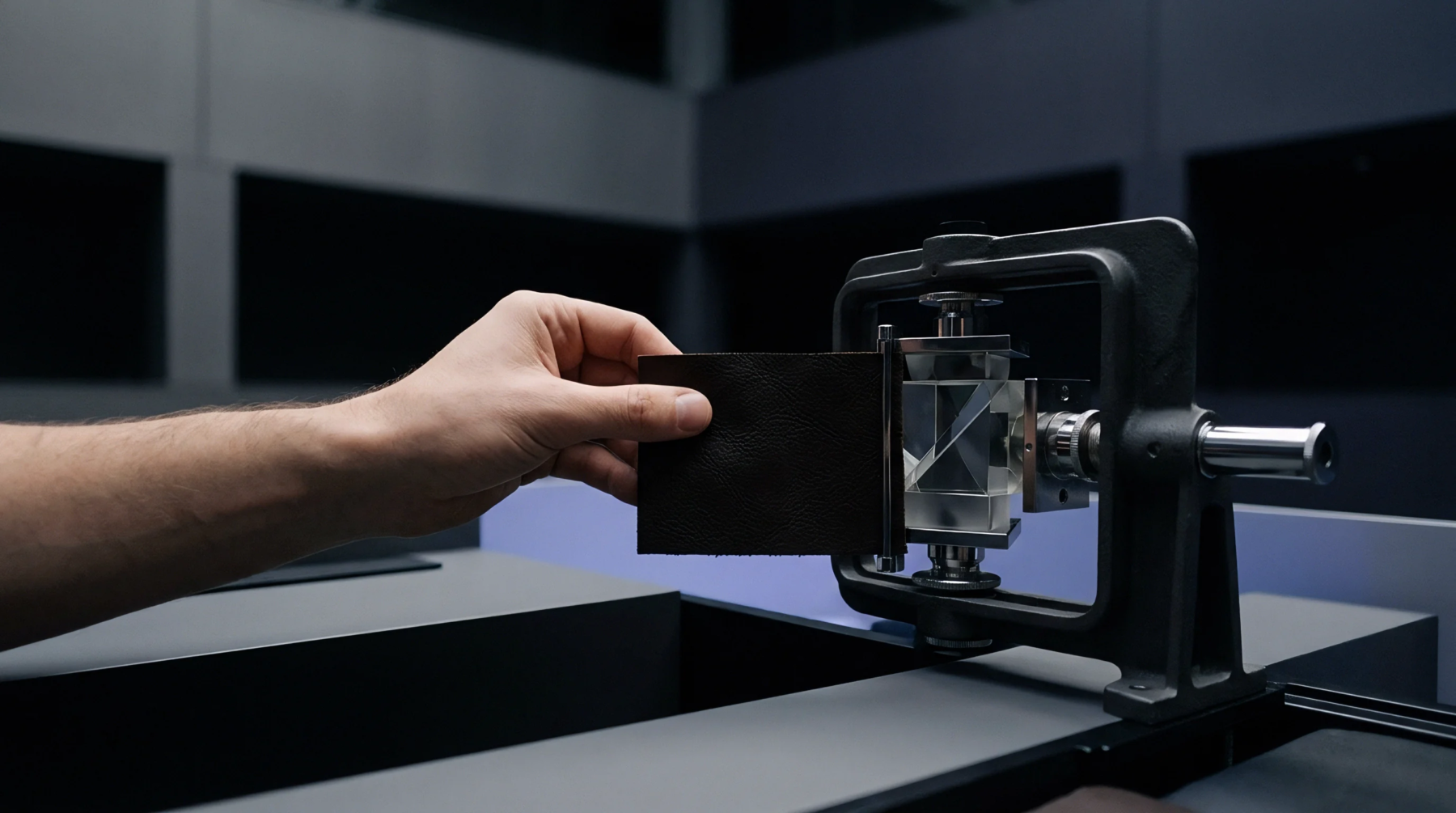
Direct-Drive Actuation
Electromagnetic direct-drive positioning devices convert electrical current into precise linear or rotary mechanical force through the interaction of an internal permanent magnetic field and a conductive coil. Engineers define this non-commutated motion transducer as a voice coil actuator, exploiting Lorentz force principles to produce mechanical thrust directly proportional to the applied excitation current. The mechanical element executes position control within optical focusing modules, fast steering mirrors, and material micro-indenters, ceasing to generate controllable force when coil displacement travels past the boundary of the uniform magnetic flux gap.
Electromechanical Verification
Characterization protocols deploy laser Doppler vibrometers, high-resolution linear displacement encoders, and dynamic load cells to quantify actuator transfer functions. Technicians measure the force constant, expressed in newtons per ampere, by logging output thrust across controlled current steps applied via low-noise power amplifiers. Ambient thermal dissipation conditions directly govern coil resistance, as heating during continuous operation increases copper wire resistance, lowering current draw under constant-voltage drive schemes and reducing available continuous force.
Actuator developers define mechanical limits and thermal dissipation limits, which validation labs test under continuous root-mean-square load ceilings.
Kinematic Integration
Elimination of mechanical gears, ball screws, and linkages allows these direct-drive structures to achieve zero mechanical backlash, negligible hysteresis, and high acceleration profiles. The moving coil mass possesses low mechanical inertia, supporting high-frequency positioning cycles within optical and nanometer-scale inspection instruments. Dynamic disturbances occur when unguided flexures permit off-axis rotational deflection, degrading directional accuracy during high-speed motion routines.
Sustained high-current positioning introduces localized heat sources that warm nearby structural mounts, requiring active cooling loops or thermal isolation spacers to mitigate instrument structural drift.
Measurement Tolerances
Metrological certification of actuator dynamic linearity requires traceable laser interferometers calibrated against helium-neon optical wavelength standards. Extraneous structural vibrations within testing facilities constitute a severe source of measurement noise, requiring active air-isolation optical tables during low-frequency displacement measurements. Eddy currents induced in conductive housing structures during high-frequency actuation introduce mechanical damping that distorts phase margin measurements if omitted from the mechanical equations.
Calibration validity boundaries require verification that ambient operating temperatures stay below magnet demagnetization limits and that core stroke stays within the linear magnetic flux region.