Asymmetric Conduction
Differential heat distribution across symmetrical transducer structures produces uneven mechanical strain or thermoelectric voltage offsets within the signal path. Recognized by metrology specialists as thermal gradient bias, this systematic error alters the indicated output independent of the actual measurand being monitored. The phenomenon disappears in truly isothermal operating environments where structural components, lead connections, and internal fluids reach uniform thermal equilibrium.
Thermoelectric Offset
Dissimilar metal interfaces inside instrumentation generate parasitic Seebeck voltages when subject to unequal temperatures across opposing circuit junctions. In Wheatstone bridge topologies, uneven heating across opposing arm resistors unbalances the electrical network, producing significant false zero-shift readings. Instrument qualification involves mapping sensor output during asymmetric radiant or conductive thermal loading to evaluate gradient rejection efficiency.
Heat Transfer
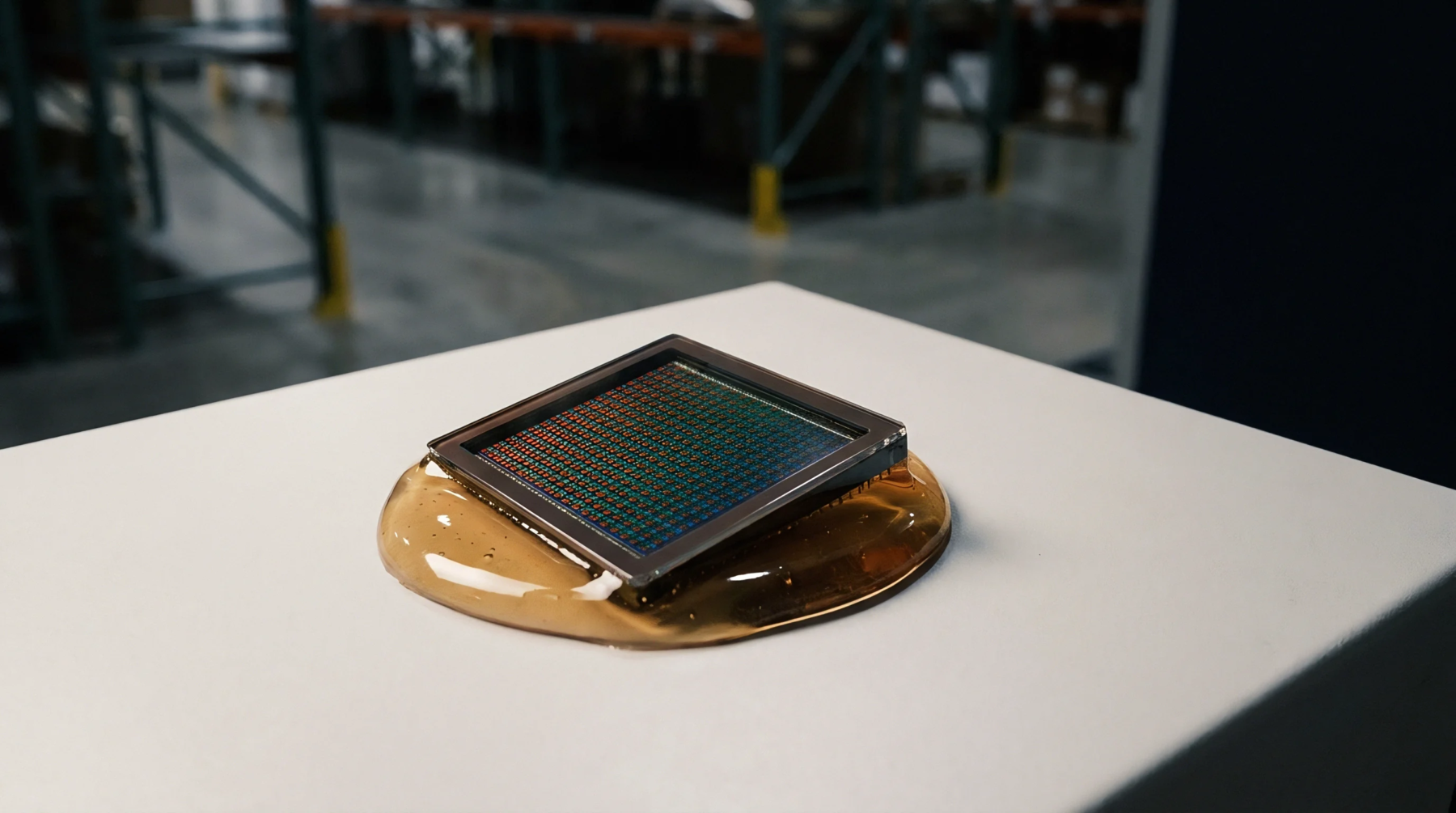
Transient heat transfer enters sensor assemblies through process connections, conduction along heavy mounting studs, and uneven convective air currents over protective enclosures. In a stainless steel piezoresistive pressure cell, process fluid at two hundred degrees Celsius applied to the front face while cooling air hits the casing creates an internal gradient of forty degrees across a ten-millimeter path. This temperature disparity expands the outer housing faster than the internal sensing diaphragm, producing an apparent pressure reading of several hundred pascals with zero applied line pressure.
Thermocouple junctions formed between copper printed circuit pads and constantan lead wires develop millivolt-level bias errors if one terminal sits adjacent to a hot power regulation transistor. Asymmetrical silicone oil expansion inside sealed transmitter cavities exerts mechanical loads against the internal isolation diaphragm, inducing drift that standard digital compensation algorithms cannot readily model. Guard rings, symmetric layout geometry, and heavy copper thermal equalization planes dissipate localized heat concentrations before differential gradients can develop.
Environmental Screening
Factory qualification tests impose sharp directional thermal shocks, directing heated air across isolated sensor faces while logging zero-point deviation over time. Rejection limits specify maximum allowable output deviations during specified temperature rate-of-change sequences. Field verification confirms that physical thermal isolation barriers and protective lagging minimize thermal gradient bias to levels within the stated instrument calibration uncertainties.