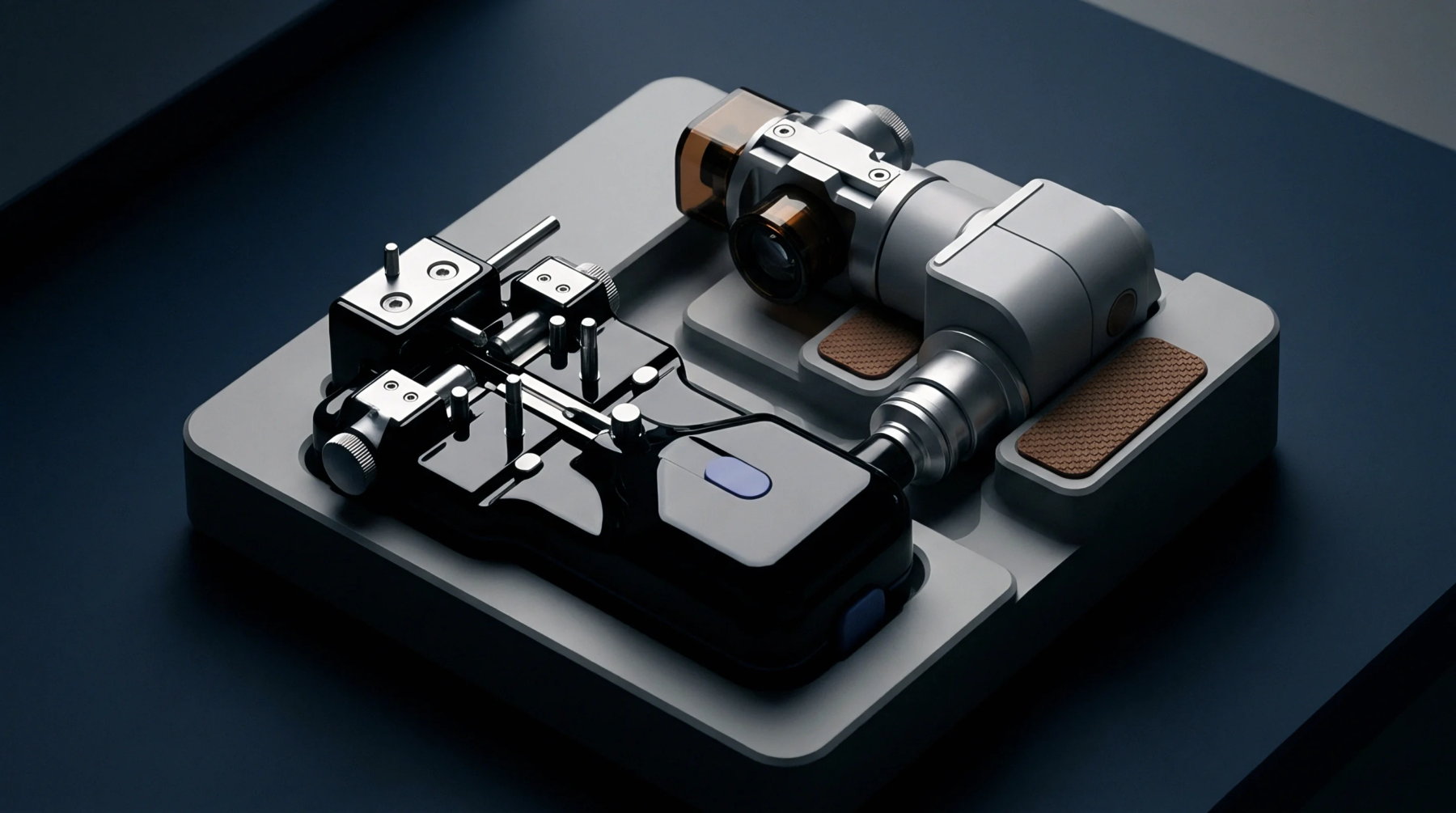
Stabilization Process
Thermodynamic equalization processes occur when physical bodies exchange heat with their surrounding environment until temperature uniformity is achieved. In precision metrology, thermal equilibration ensures that sensors and reference standards reach steady-state thermal equilibrium prior to calibration. Temperature gradients within instrument housings create internal mechanical stress and thermoelectric voltage offsets.
The equilibration requirement ceases to be restrictive when instruments incorporate active thermal stabilization circuits that maintain constant internal temperatures regardless of ambient changes.
Heat Transfer
Convective and conductive heat transfer mechanisms drive thermal energy transfer between instruments and calibration baths. Achieving thermal equilibration requires sufficient soak time based on component thermal mass and enclosure thermal resistance. Metal housing materials equilibrate faster than plastic enclosures due to higher thermal conductivity.
Measurement Stability
Temperature drift during calibration procedures introduces systematic measurement errors that invalidate accuracy declarations. High-precision resistance temperature detectors and reference voltage standards exhibit output variations while internal temperatures transition toward ambient equilibrium. Soaking instruments in climate chambers eliminates internal thermal gradients prior to data collection.
When calibration technicians record measurements before full thermal stability occurs, apparent drift reflects sensor warming rather than true calibration shift. Logged temperature readings from internal sensors confirm stability when rate of change falls below specified thresholds per hour.
Verification Protocol
Metrology procedures establish minimum soak times based on housing volume and material properties. Time-constant calculations model internal temperature decay curves to predict required stabilization durations. Standard operating procedures mandate monitoring reference temperature sensors to confirm equilibrium before initiating automated calibration routines.
Calibration documentation records soak durations alongside environmental temperature logs to verify compliance with procedure requirements.