Adhesive Failure
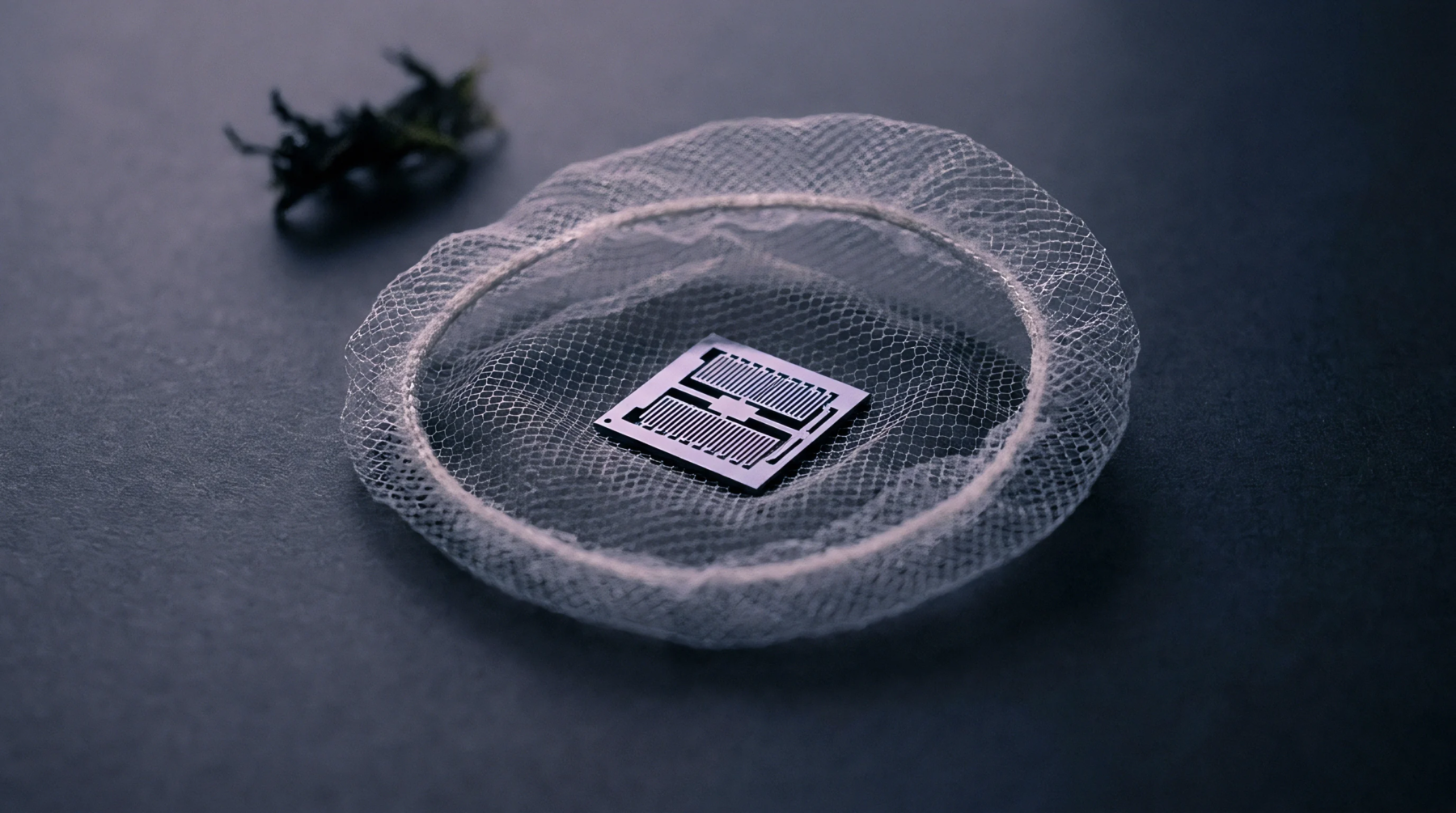
Mechanical adhesion occurs when micro-scale surfaces remain stuck together after the actuating force has been removed. In microelectromechanical systems, stiction is the phenomenon where electrostatic or capillary forces overcome the restoring spring force of the movable parts. This failure mode prevents the device from returning to its neutral position.
Microscopic Mechanism
Capillary condensation of moisture from the surrounding air is a common cause of this failure. When stiction occurs, the surface tension of the liquid meniscus draws the microstructures together, causing them to bond permanently. The risk of this happening increases as the gap between the moving elements of the sensor is reduced.
Device Impact
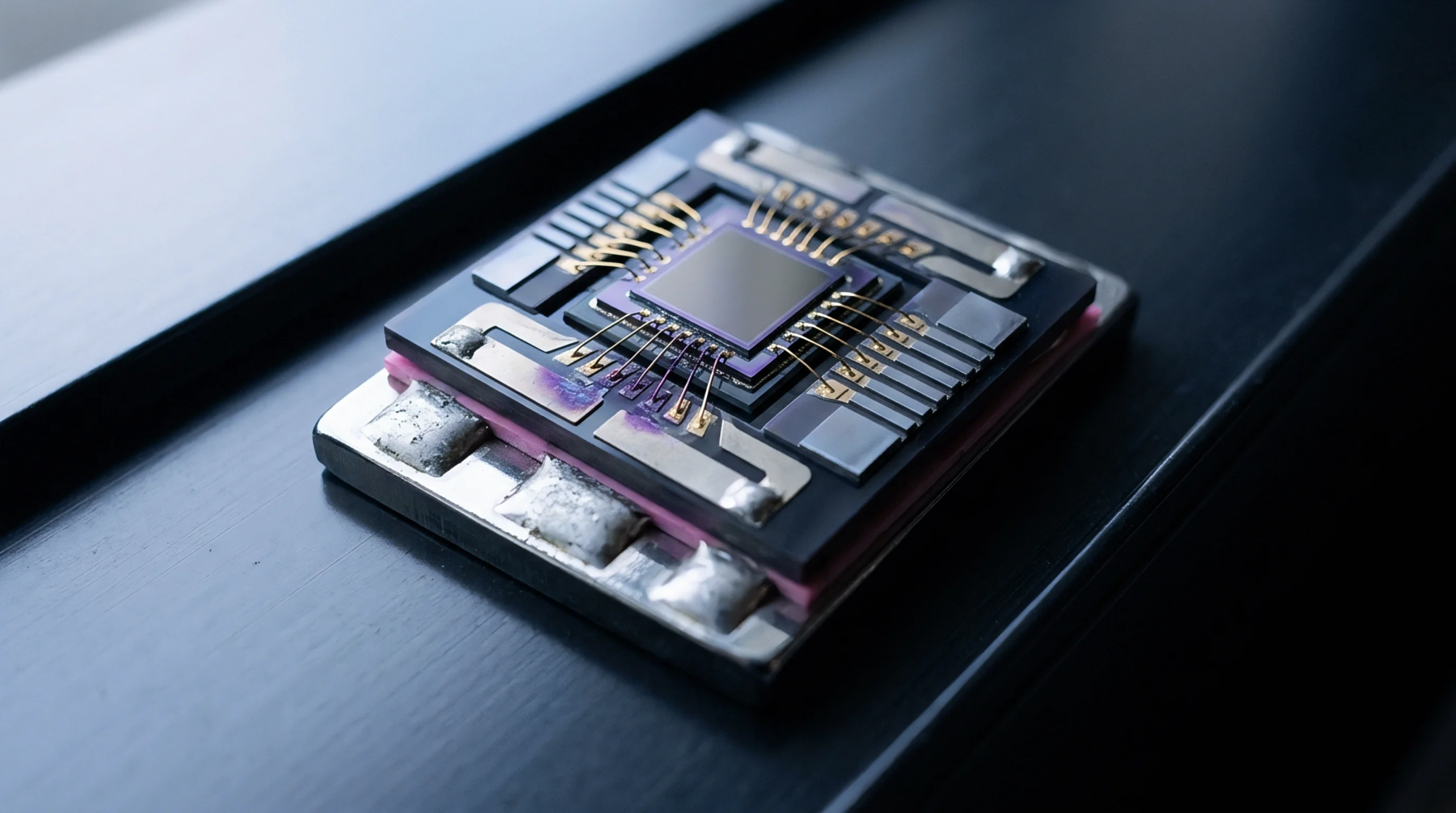
Micro-sensors such as accelerometers and gyroscopes become completely inoperable when their proof masses are locked in place. If stiction occurs during the manufacturing or packaging process, the yield of the production line drops. This has a direct financial impact on the semiconductor foundry.
Surface Modification
Anti-stiction coatings are applied to the microstructures to change their surface energy from hydrophilic to hydrophobic. Engineers use self-assembled monolayers of fluorocarbon compounds to coat the silicon parts, which reduces the capillary forces. This surface treatment ensures that the moving structures can release easily after contact.
In addition, physical bumps or dimples are added to the layout to minimize the contact area between the surfaces, which further reduces the attraction between the parts and prevents sticking during shock events.