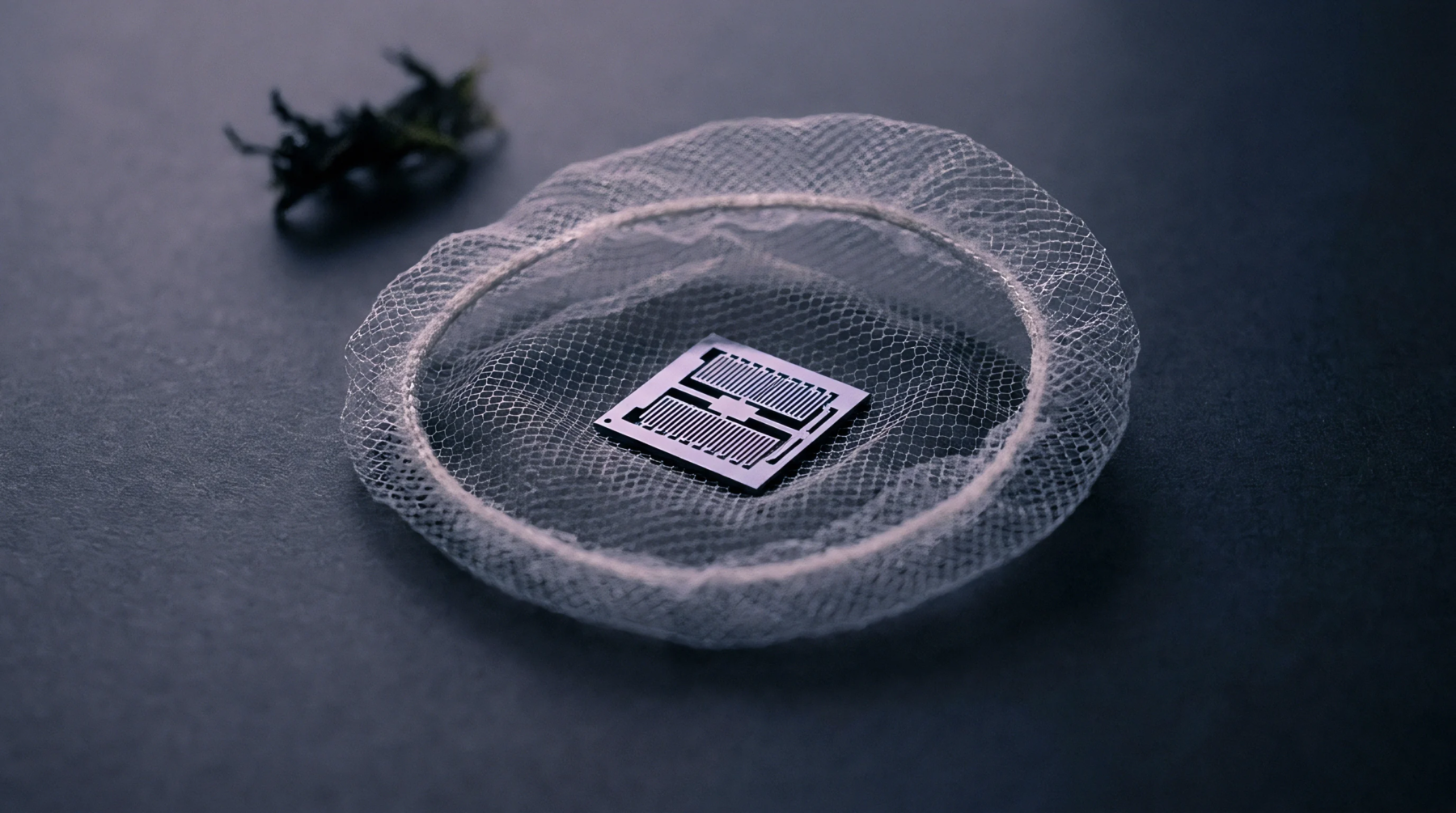
Structural Coating
Molecular organization on solid substrates occurs spontaneously when specific active molecules align themselves in a highly ordered single-molecule layer. Using a self-assembled monolayer alters the surface chemistry of microelectronic sensors, providing either a protective barrier against moisture or a highly specific binding site for gas detection. This nanometer-scale coating is essential for stabilizing surface-sensitive instruments.
Adhesion Mechanism
Chemical bonds form between the head groups of the coating molecules and the reactive sites of the sensor substrate. This self-assembled monolayer grows uniformly as the molecules pack closely together due to hydrophobic interactions between their chains. The resulting film is highly ordered and durable.
The process is self-limiting and terminates at one molecule thickness.
Metrological Calibration
Precision sensors must be calibrated to account for the thickness and surface density of the organic layer. Testing with ellipsometry or contact angle measurements ensures that the self-assembled monolayer has formed without pinholes or multi-layer defects. When the layer is non-uniform, the sensor suffers from non-linear response curves and drift over time.
Calibration laboratories use these optical measurements to qualify the sensors before they are integrated into high-precision industrial monitors or biomedical diagnostic systems.
Reliability Limit
Thermal degradation and chemical exposure can slowly strip the molecules from the sensor surface over extended operation. This loss alters the sensor baseline and creates calibration drift. Design engineers specify maximum operating temperatures to prevent the chemical bonds from breaking.
Proper encapsulation extends the sensor operating lifetime.