Magnetic Behavior
High-efficiency electromagnetic devices require core materials that can be easily magnetized and demagnetized with minimal energy loss. In the design of transformers and inductors, soft magnetic materials represent a class of ferromagnetic substances characterized by low coercivity and high permeability. These properties allow the magnetic domains within the material to reorient rapidly in response to alternating electromagnetic fields.
Core Selection
Silicon steel and ferrites are the most common choices for manufacturing magnetic cores. These substances are selected for their specific electrical resistivity and magnetic saturation points. Choosing the correct material prevents core saturation and minimizes eddy current losses at high operating frequencies.
Energy Loss
Hysteresis loop measurements characterize the energy dissipated as heat during each magnetization cycle. High-quality cores have narrow hysteresis loops, which indicates minimal energy loss per cycle. This efficiency is critical for preventing thermal runaway in high-power converters.
Material Qualification
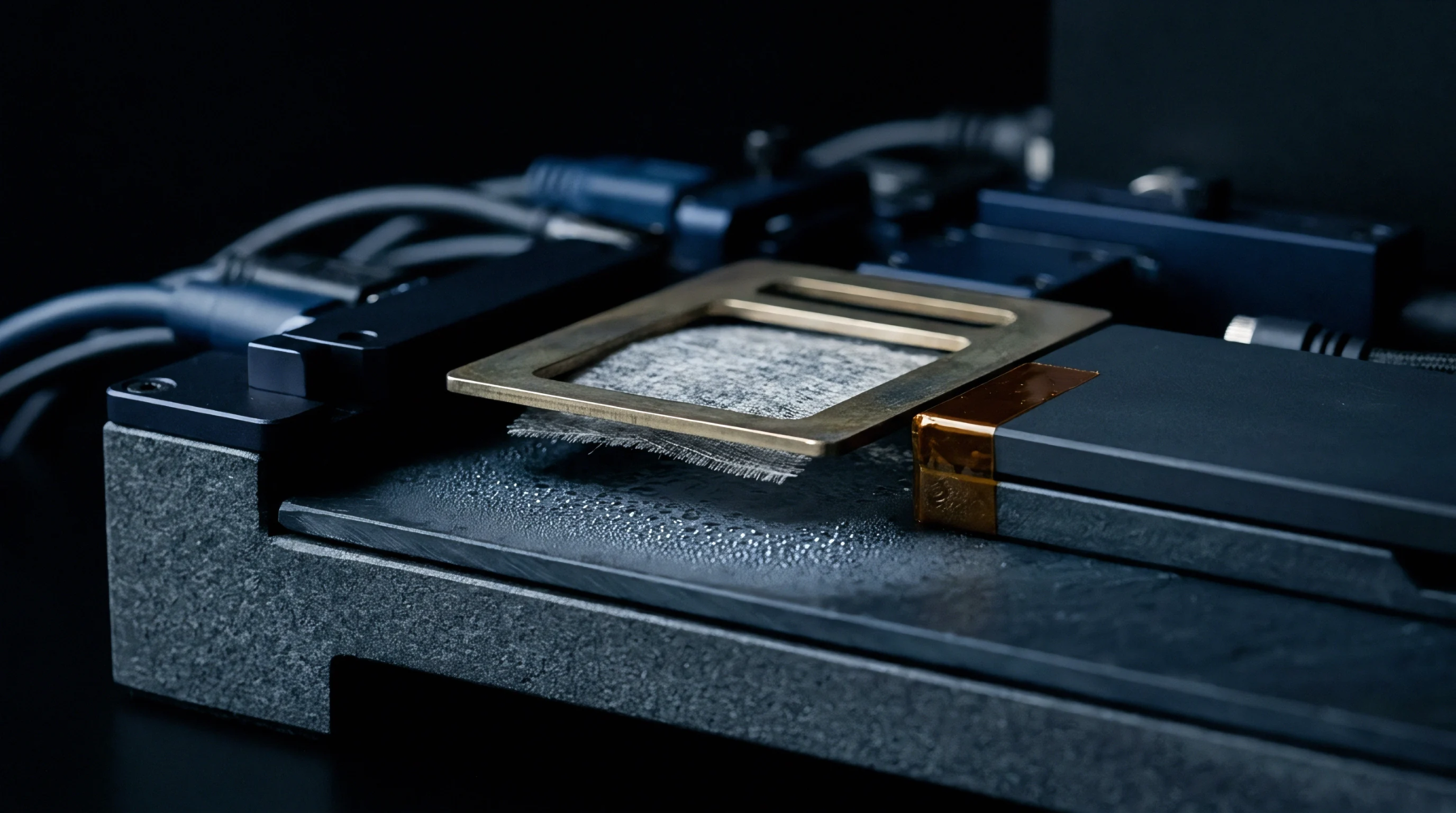
Quality control procedures utilize Epstein frames to measure the core loss and permeability of sheet specimens under standardized AC conditions. These measurements must comply with international standards like IEC 60404 to ensure that the materials meet the strict efficiency and performance specifications required for electrical distribution equipment. The certified test results provide system designers with the precise data needed to optimize thermal management and overall device efficiency.