Material Formulation
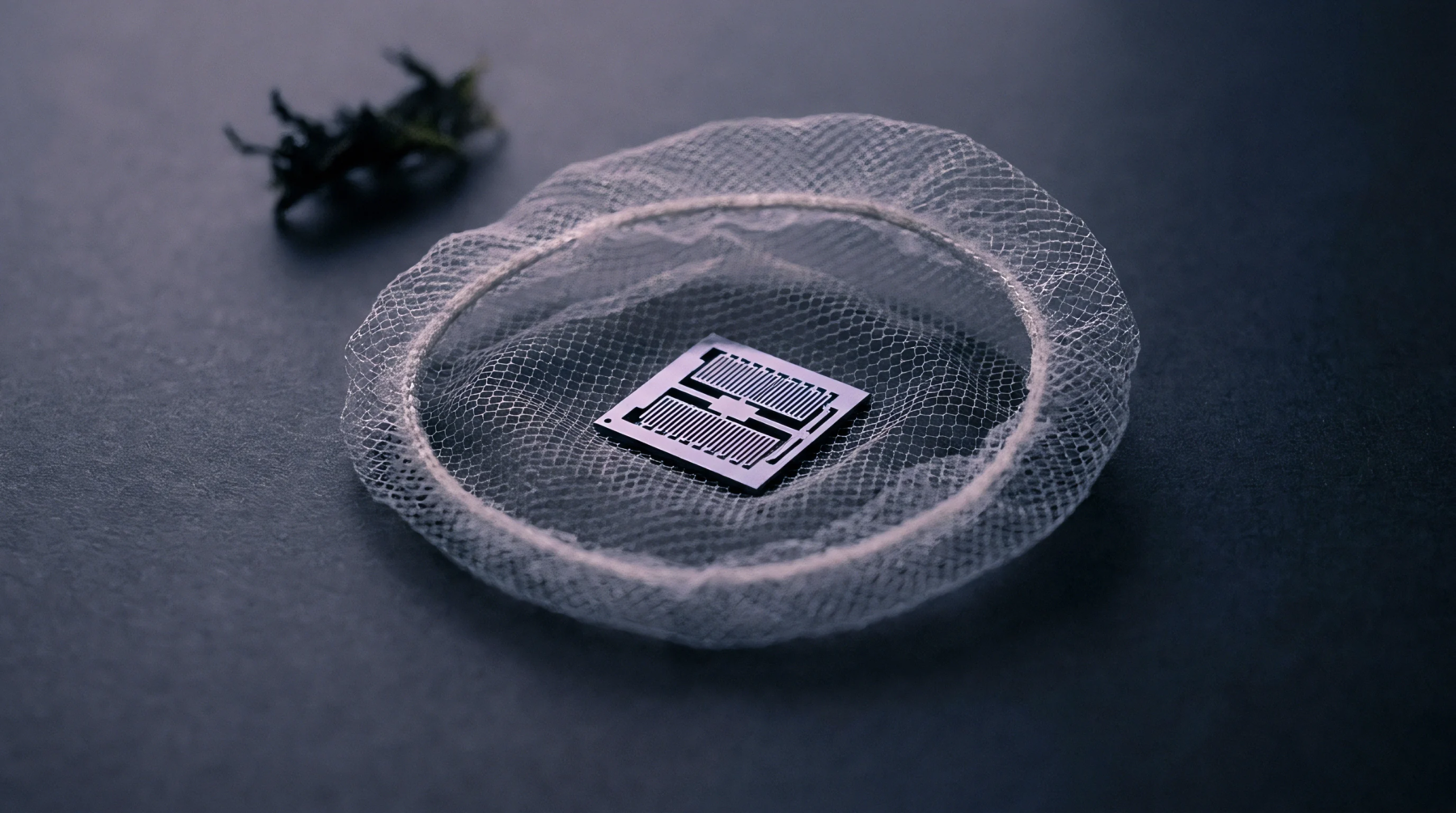
Suspensions of micro-scale or nano-scale metallic particles in organic carriers provide high-performance thermal and electrical connections in power electronics and sensor assemblies. Applying silver sinter paste creates a continuous metallic silver joint that exhibits exceptional thermal conductivity and mechanical strength. This material is increasingly preferred over traditional lead-free solders for high-temperature packages.
Sintering Process
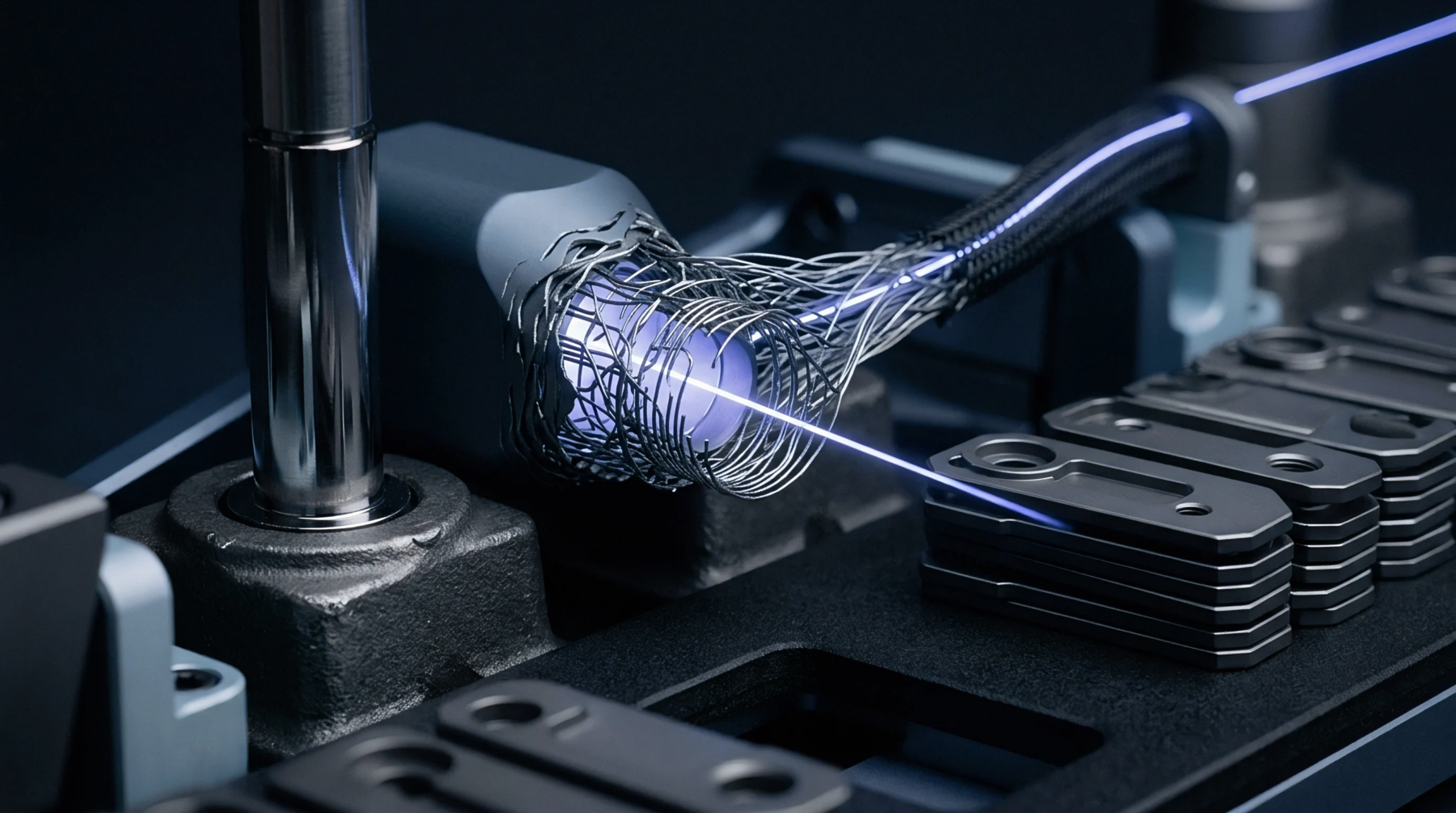
Heating the deposited paste under mechanical pressure causes the silver particles to coalesce into a dense, solid structure below the melting point of bulk silver. This process removes the organic binders, leaving a high-purity metal layer.
Thermal Benefit
Thermal conductivity of the resulting joint prevents the build-up of hot spots within sensitive sensor elements, reducing thermally induced measurement errors and drift. By maintaining a uniform and stable temperature across the silicon die, the joint ensures that calibrated reference points remain valid during high-power operation. This thermal stability is essential for sensor packages that must maintain accuracy under fluctuating thermal loads.
Mechanical Boundary
Mechanical stress during thermal cycling can lead to fatigue cracking at the joint interface if the coefficients of thermal expansion of the bonded materials are poorly matched. To prevent premature joint failure, designers must carefully select substrates that minimize thermal mismatch. Additionally, the high cost of silver and the requirement for specialized pressing equipment during assembly restrict its use to high-reliability or high-performance applications.