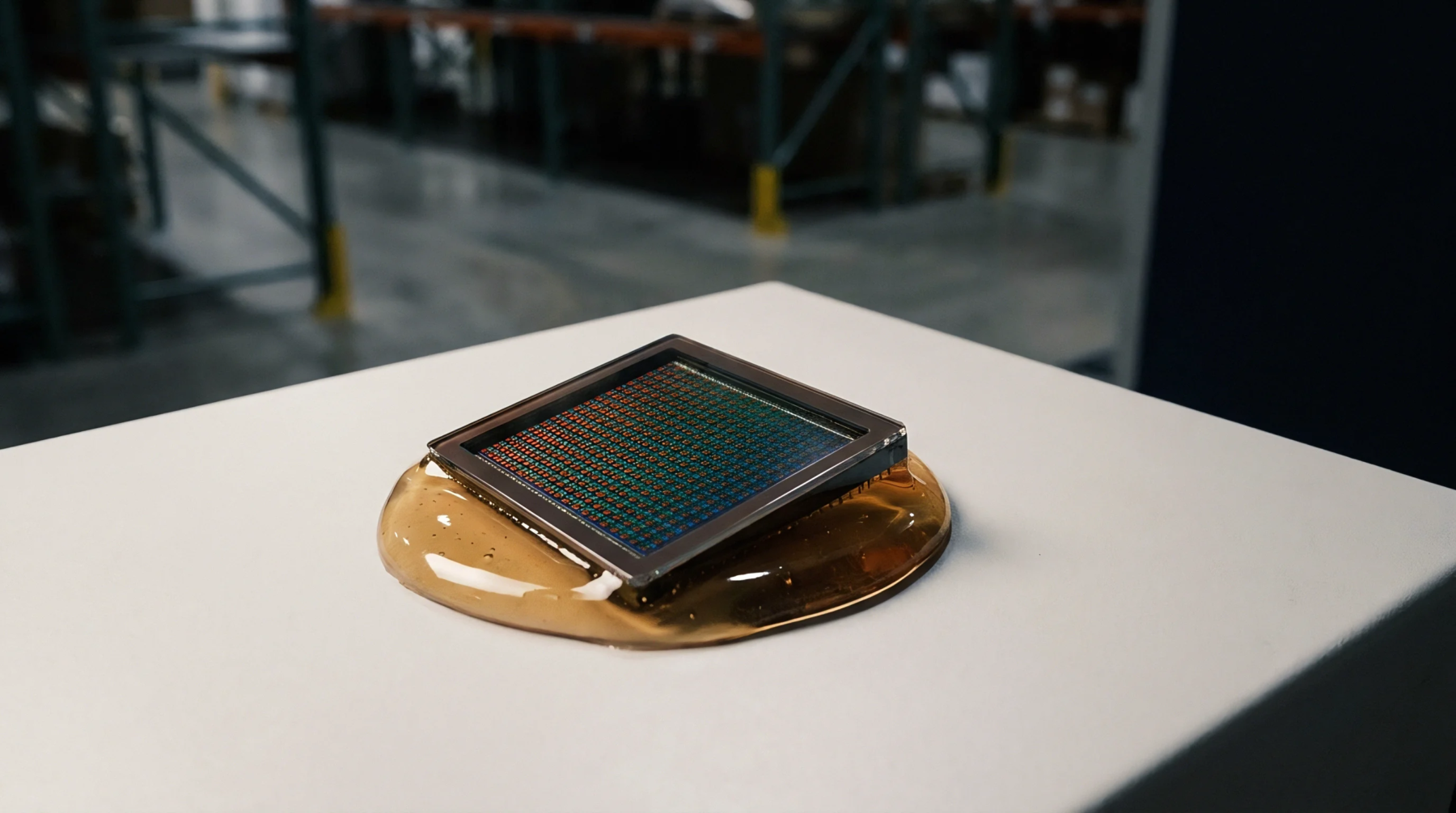
Integrated Sensor
Solid-state sensors convert mechanical force or pressure into electrical signals using the piezoresistive effect of monocrystalline structures. A silicon transducer utilizes micromachined diaphragms with integrated resistors that change value when deflected by pressure. This construction allows high sensitivity and integration on a single chip, but the active element must be protected from corrosive media.
Microfabrication Process
Etching techniques shape the physical structure of the device. During fabrication of the silicon transducer, chemical etching removes material from the backside of the wafer to create a thin diaphragm of precise thickness. The piezoresistors are then formed on the top surface by ion implantation.
This ensures the resistors sit where stress is highest.
Signal Conversion
Integration of the sensor chip into a housing protects the delicate structure. In a silicon transducer, an oil-filled stainless steel capsule or a compliant gel layer transfers external pressure to the silicon chip while isolating it from corrosive fluids. This design extends the life of the sensor in harsh industrial environments.
The transfer medium must not introduce temperature-dependent pressure shifts.
Thermal Control
Calibration compensates for natural temperature sensitivity. Automated testing systems measure the output across the full pressure and temperature range to program compensation parameters.