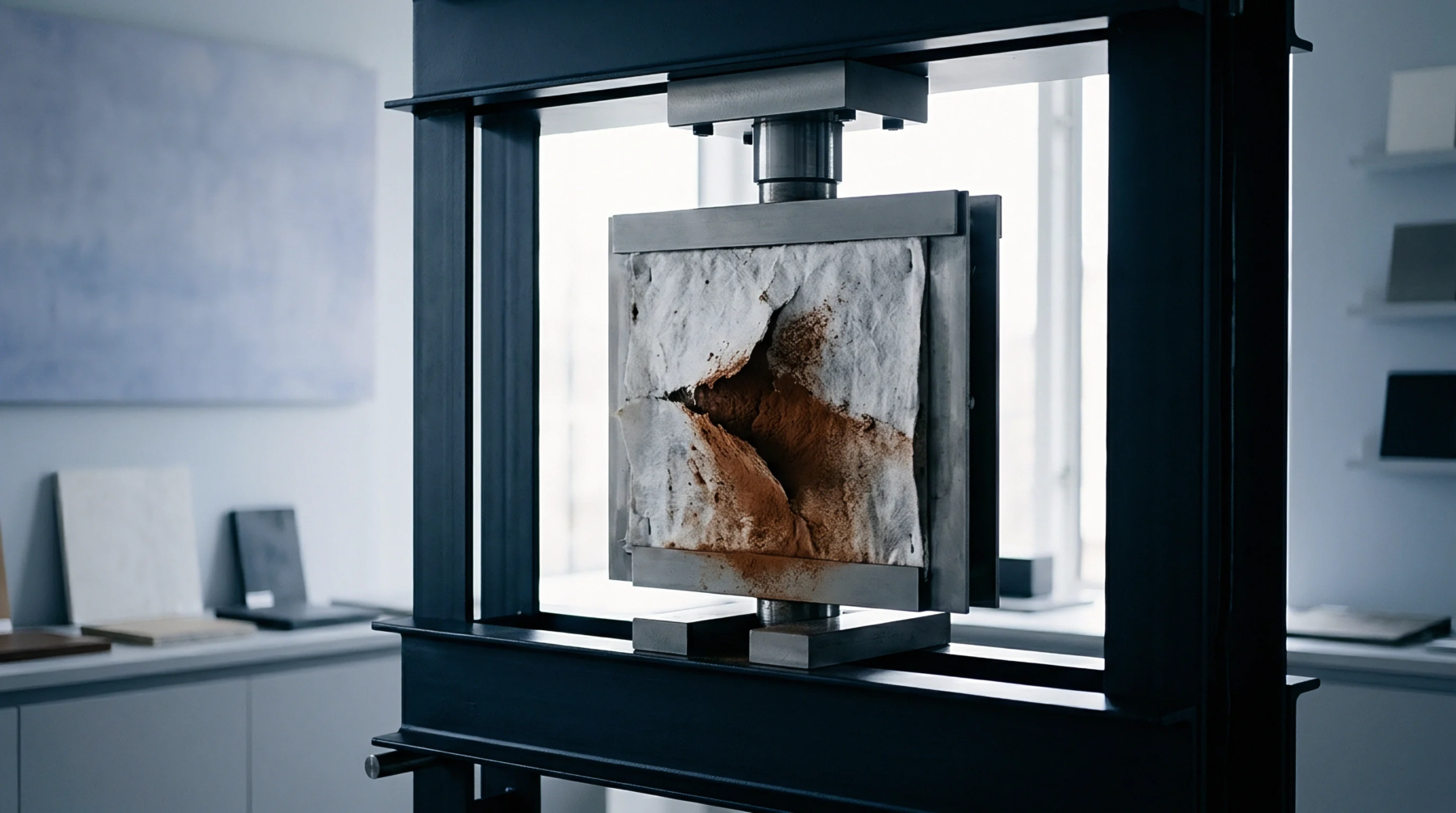
Degradation Process
Physical and chemical degradation processes that alter the output characteristics of a transducer over time result in a gradual shift from the initial calibration and increase the overall uncertainty of the measurement system. The sensor aging mechanics are driven by factors such as material fatigue and chemical oxidation of the sensing element. These changes are typically irreversible and lead to a permanent loss of accuracy if left uncorrected.
Physical Effects
Mechanical strain on the diaphragm of a pressure sensor can cause permanent deformation. In the context of sensor aging mechanics the micro structure of the sensing material may reorganize under constant stress. Such shifts appear as a zero point drift in the instrument output.
Environmental Factors
Elevated temperatures accelerate the rate of chemical reactions within the device. Exposure to moisture or corrosive gases further complicates the sensor aging mechanics by introducing new drift components. Protective coatings are often used to slow these processes.
Stability Tracking
Monitoring sensor aging mechanics allows for the replacement of a device before it falls out of tolerance. Calibration cycles are scheduled based on the expected rate of these changes. Long term stability is a primary metric in the qualification of industrial instruments.