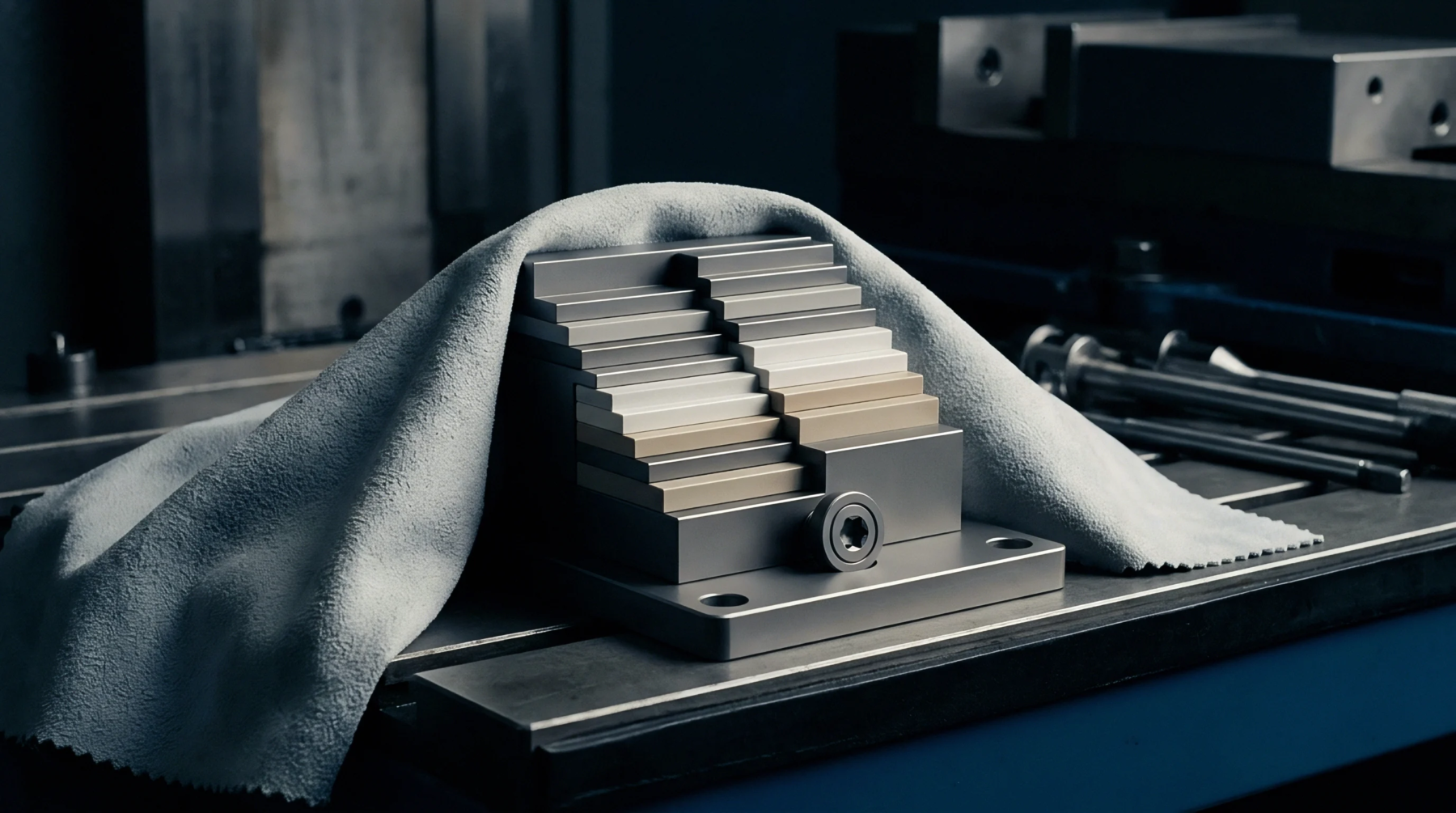
Efficiency Rating
Ratio of the energy radiated by a surface to the energy radiated by a perfect blackbody at the same temperature defines the heat transfer characteristics of a material. Radiative emissivity determines how effectively a sensor or housing sheds heat through infrared radiation in a vacuum environment. It varies according to the surface finish, material composition, and the wavelength of the emitted energy.
Accuracy Dependency
In non contact thermometry, the accuracy of the reading depends entirely on the correct setting of this coefficient. If the radiative emissivity of the target is unknown or incorrectly estimated, the infrared pyrometer will report a temperature that is significantly higher or lower than the actual value. Polished metals generally exhibit low values, while oxidized or coated surfaces provide much higher readings.
Surface Treatment
Engineers apply specialized paints or anodized layers to a component to increase its radiative emissivity for better thermal management. These coatings must be qualified for adhesion and outgassing to ensure they do not degrade over time in harsh conditions. A high emissivity surface allows for more efficient cooling of internal electronics without the need for convection or liquid heat exchangers.
Spectral Variability
The value is rarely constant across all wavelengths and typically changes as the temperature of the object rises. This variation is a primary consideration when selecting sensors for multi spectral analysis.