Geometry Specification
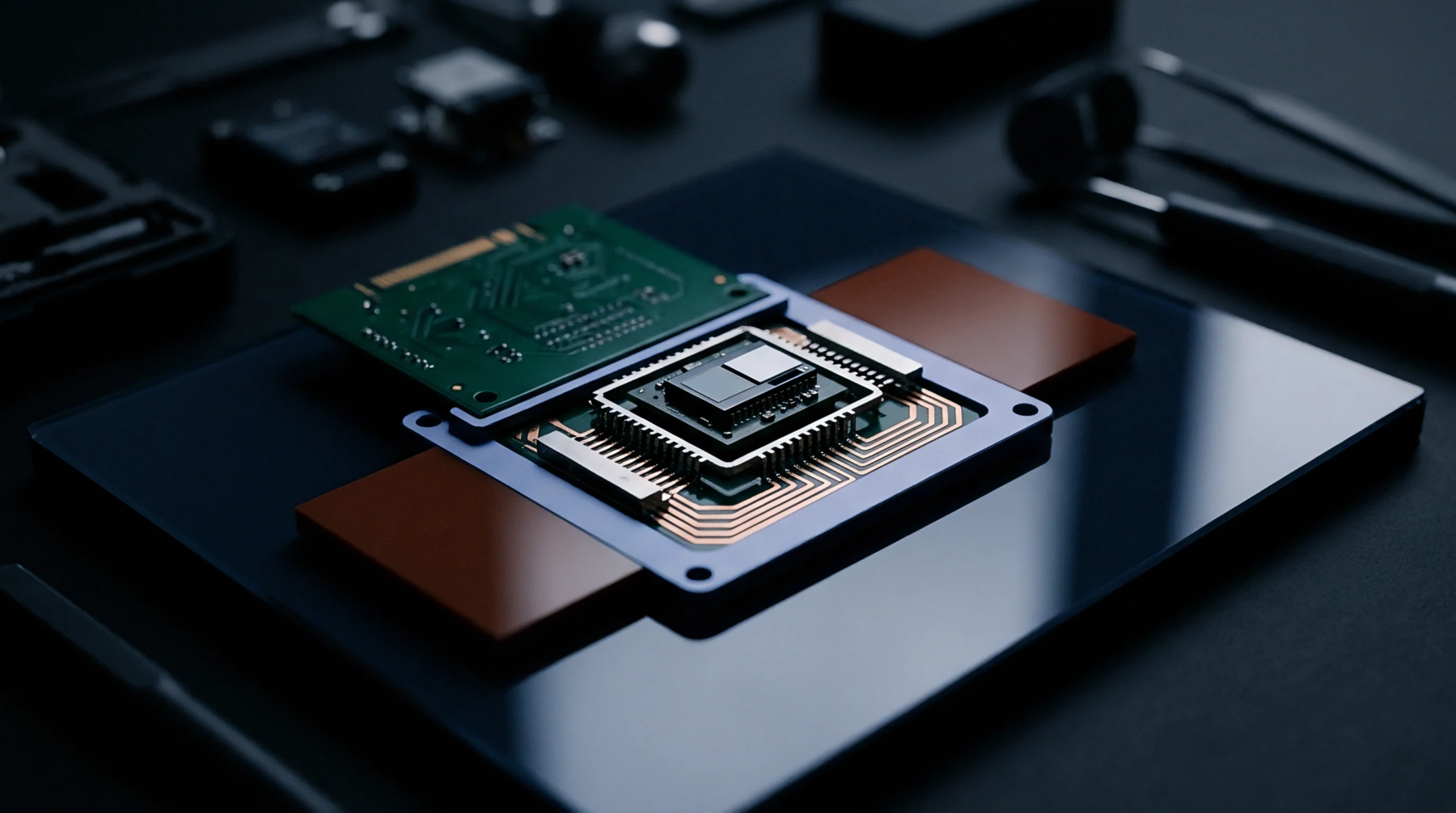
A surface configuration defines the precise physical dimensions for solder mask openings and copper pads on a printed circuit board designed to receive a quad flat no-lead package with sixteen pins. The qfn16 land pattern determines the mechanical interface between the component terminals and the board assembly. Layout engineers determine these dimensions based on the specific lead pitch and exposed thermal pad area required by the semiconductor manufacturer.
Each pad must allow enough space for a solder fillet to form during the reflow process while maintaining the clearances necessary to prevent short circuits between adjacent contacts.
Registration Tolerance
Precise alignment between the copper features and the solder stencil apertures governs the reliability of the resulting interconnects. This qfn16 land pattern requires strict adherence to positional accuracy because small deviations during the pick and place operation lead to bridging or open circuits. Operators verify these alignments by checking the fiducial marks on the board against the machine vision system coordinates.
When the paste deposits deviate from the center of the copper pads, the surface tension during reflow pulls the component into an skewed position.
Thermal Interface
Heat dissipation depends on the connection between the large center pad of the package and the corresponding thermal land on the board. The qfn16 land pattern includes an array of vias within the center pad to move thermal energy away from the silicon die and into the internal copper planes of the substrate. Designers calculate the density of these through holes to ensure that solder does not excessively wick away from the pad surface during the oven cycle.
Proper voiding management at this junction prevents localized hot spots that shorten the operational lifespan of the component.
Production Variance
Stencil thickness settings influence the volume of solder paste transferred to the board and alter the final standoff height of the package. Variations in the aperture size of the qfn16 land pattern create different collapse behaviors during the heating phase of assembly. Standard industry practice dictates that the stencil area ratio must remain within specific limits to ensure uniform release of the material from the aperture walls.
If the volume of alloy remains too high after reflow, the component floats on the liquid metal and loses connection to the peripheral pads.