Pressure Equalization
Microporous membranes facilitate the exchange of air and gases while preventing the ingress of liquids and particulates into an enclosure. Installing a ptfe breathable vent allows a housing to respond to internal pressure changes caused by thermal cycling without compromising the seal. Gaskets and O-rings are protected from stress by this equalization.
Contaminant Barrier
Pore sizes are engineered to block water droplets and dust while allowing individual gas molecules to pass through. The ptfe breathable vent provides a high degree of protection against salt spray and automotive fluids. Contamination of the membrane surface can reduce the airflow over time.
Hydrophobic Action
Low surface energy of the fluoropolymer causes water to bead and roll off. Because the ptfe breathable vent is naturally repellent to moisture, it maintains its gas permeability even in driving rain. Exposed sensors rely on this characteristic for reliable operation.
Flow Specification
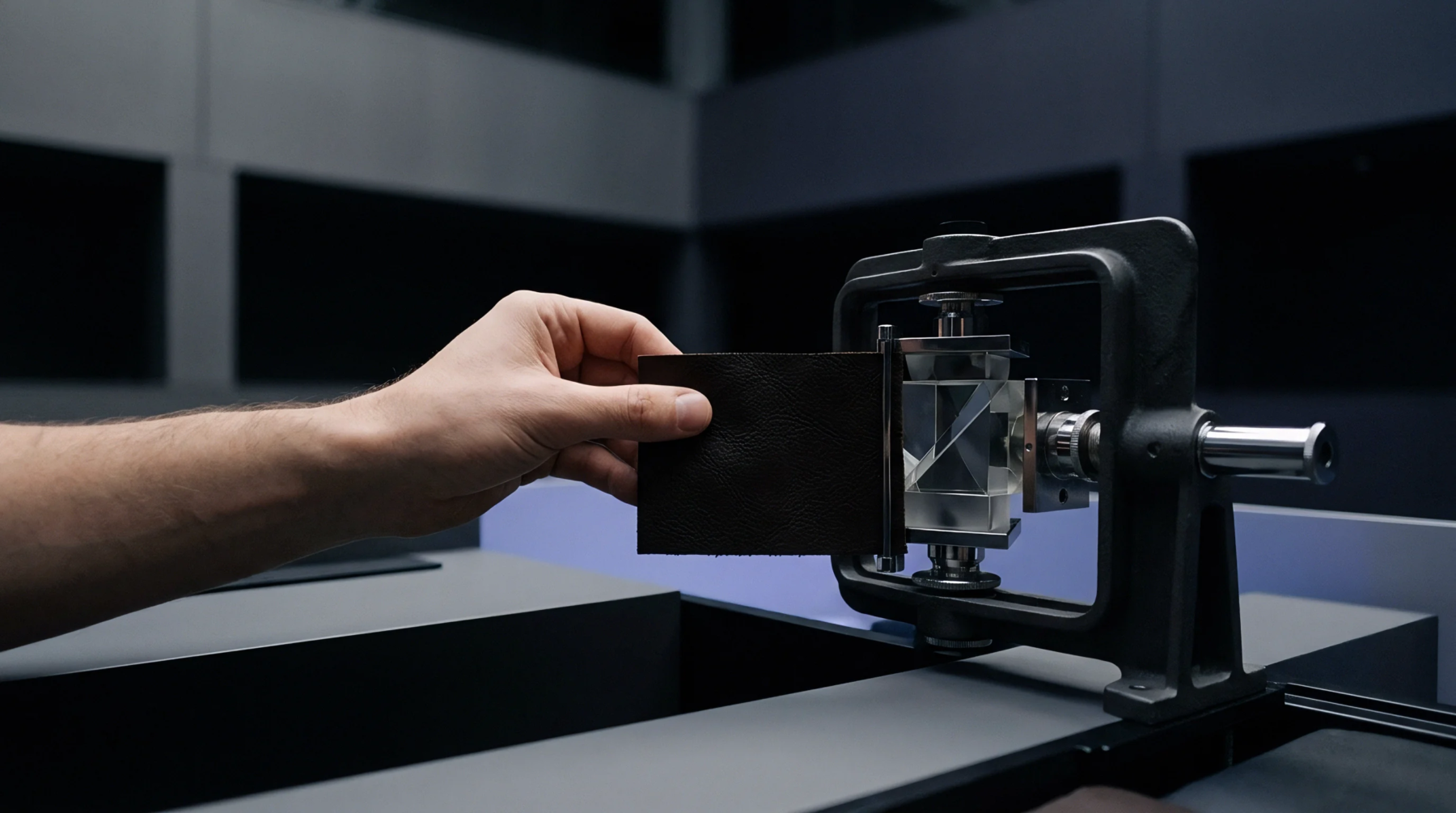
Metrological testing of the component involves measuring the air volume that passes through the membrane at a specific pressure differential. A typical ptfe breathable vent might be rated for an airflow of 150 millilitres per minute at 70 millibar. Testing also verifies the water entry pressure, which is the point at which liquid is forced through the pores.
Durability is checked by exposing the vent to rapid pressure pulses.