Stabilization Cycle
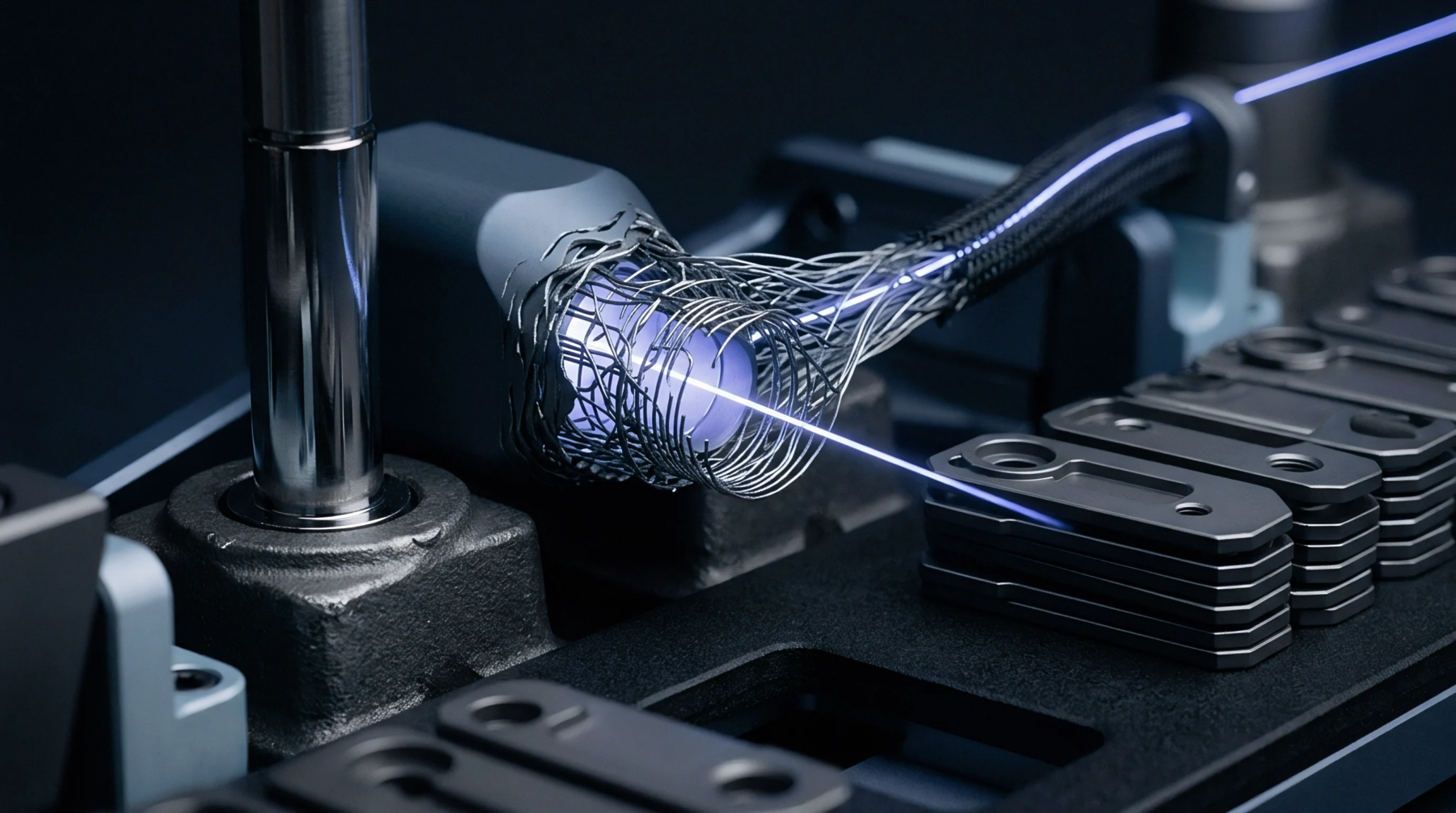
Controlled heating of populated printed circuit assemblies following surface-mount soldering drives out trapped moisture and relieves residual mechanical stresses. Manufacturing facilities apply a post reflow bake to stabilize sensitive sensing instruments before hermetic sealing or final calibration. Exposure to elevated temperatures below the solder melting point desorbs volatile flux chemistry and equilibrates internal molding compound strains.
The scope of this thermal operation applies strictly to secondary thermal processing after assembly, distinct from pre-assembly component baking aimed at preventing popcorning during reflow.
Molecular Desorption
Sustained thermal energy accelerates the diffusion of water molecules out of epoxy packaging materials and multilayer printed wiring boards. Skipping a post reflow bake allows absorbed moisture to generate internal vapor pressure during subsequent thermal cycling or laser welding operations. Residual moisture also increases dielectric losses and accelerates electrochemical migration across fine-pitch conductor tracks.
Outgassing of unreacted flux compounds ceases once thermal conditioning reaches equilibrium.
Standardized Verification
Industrial standards including IPC-1601 and J-STD-033 specify thermal conditioning parameters based on substrate thickness and packaging moisture sensitivity levels. A typical post reflow bake for precision sensor assemblies runs between one hundred degrees Celsius and one hundred and twenty-five degrees Celsius for durations ranging from four hours to twenty-four hours. Quality engineers verify process execution by monitoring temperature profiles using multi-channel data loggers calibrated against traceable platinum resistance thermometers.
Metrological validation demonstrates that zero-point sensor offset drift stabilizes following this thermal stabilization cycle. If assemblies bypass this step, zero-point errors exhibit long-term hysteresis and baseline drift during customer field deployment. Sourcing agreements require contract manufacturing partners to provide oven profile certifications and lot-specific bake completion stamps before assemblies move to automated functional testing.
Temperature uniformity within the bake chamber must remain within plus or minus three degrees Celsius across all loading trays to ensure uniform stress relief.
Operational Boundary
Thermal exposure limits prevent metallurgical degradation of solder joints during prolonged heating cycles. Excessive duration during a post reflow bake thickens brittle intermetallic compound layers between copper lands and lead-free solder alloys. Furthermore, optical lenses and elastomeric seals cannot tolerate prolonged bake oven temperatures.
Assembly engineers establish strict duration ceilings to achieve stress stabilization without degrading component packaging materials. Careful thermal budgeting preserves mechanical integrity while expelling volatile contaminants.