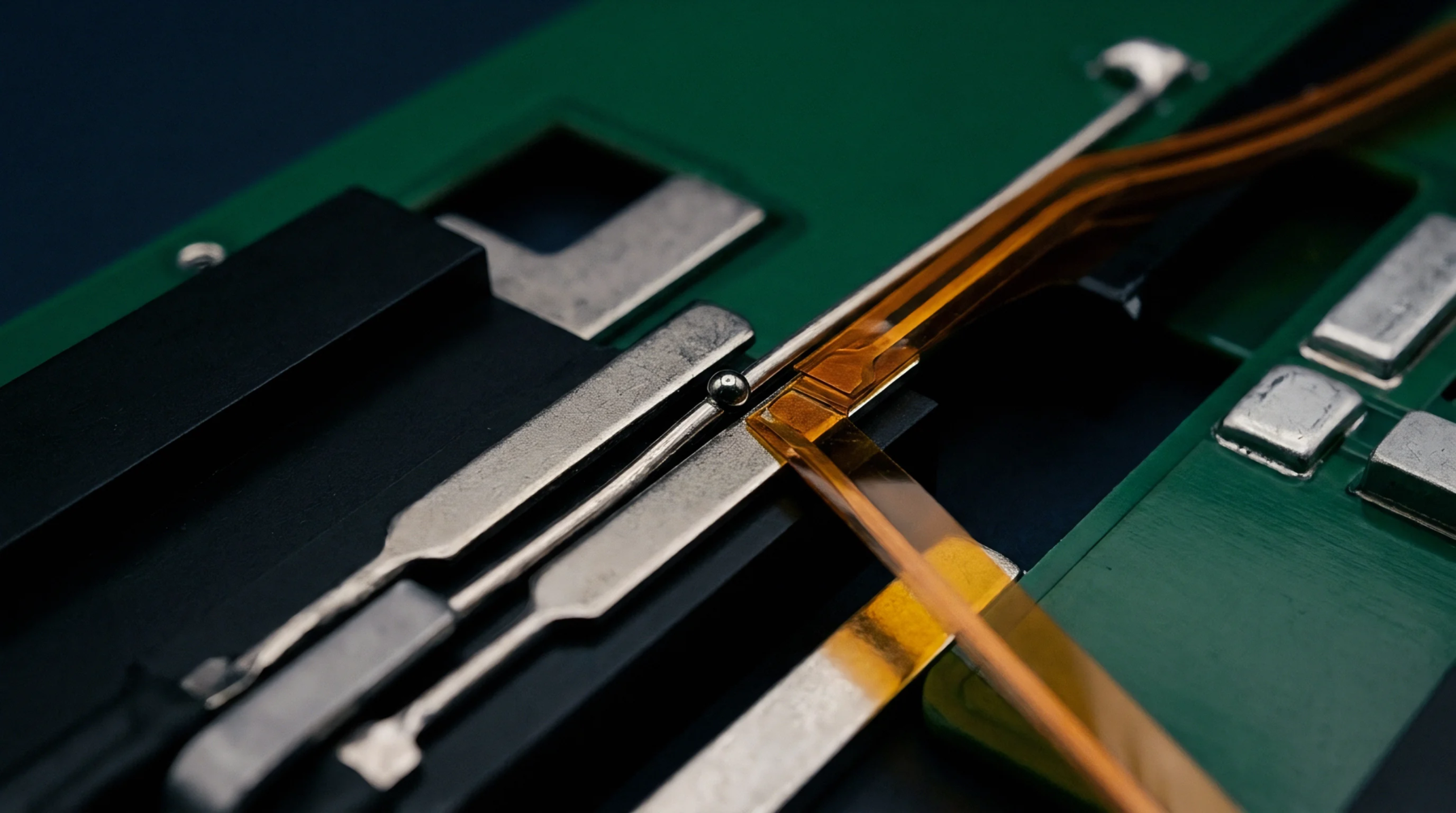
Pressure Transducer
Solid-state semiconductor sensors convert mechanical displacement or applied force into a proportional change in electrical resistance. High sensitivity makes the piezoresistive gauge a preferred choice for measuring static and dynamic pressures in aerospace and automotive applications. This instrument incorporates a silicon diaphragm with integrated piezoresistors that deform under pressure.
Metrological Accuracy
Sensor outputs are calibrated against primary deadweight testers to establish a baseline voltage-to-pressure relationship at a reference temperature. Under field conditions, the output of a piezoresistive gauge suffers from thermal drift, requiring active temperature compensation circuits to maintain precision. Sourcing specifications must detail both the uncompensated drift and the compensated operational range.
Without these corrections, small temperature fluctuations can introduce errors that exceed the nominal measurement tolerance of the device, leading to incorrect pressure readings in safety-critical systems.
Calibration Cycle
Instrument calibration certificates must document the traceabilities of the reference standards used during testing. Regular verification cycles for each piezoresistive gauge prevent measurement errors caused by material aging and hysteresis. The installation torque also influences the sensor response, so verification must occur after final mechanical mounting.
Industrial Application
Industrial process control systems use these sensors in environments where high frequency response and small form factor are required. Dynamic pressure measurements in hydraulic lines require the piezoresistive gauge to withstand rapid pressure spikes without sensor damage. The robust design enables measurement in turbulent flows where mechanical strain gauges would fail.