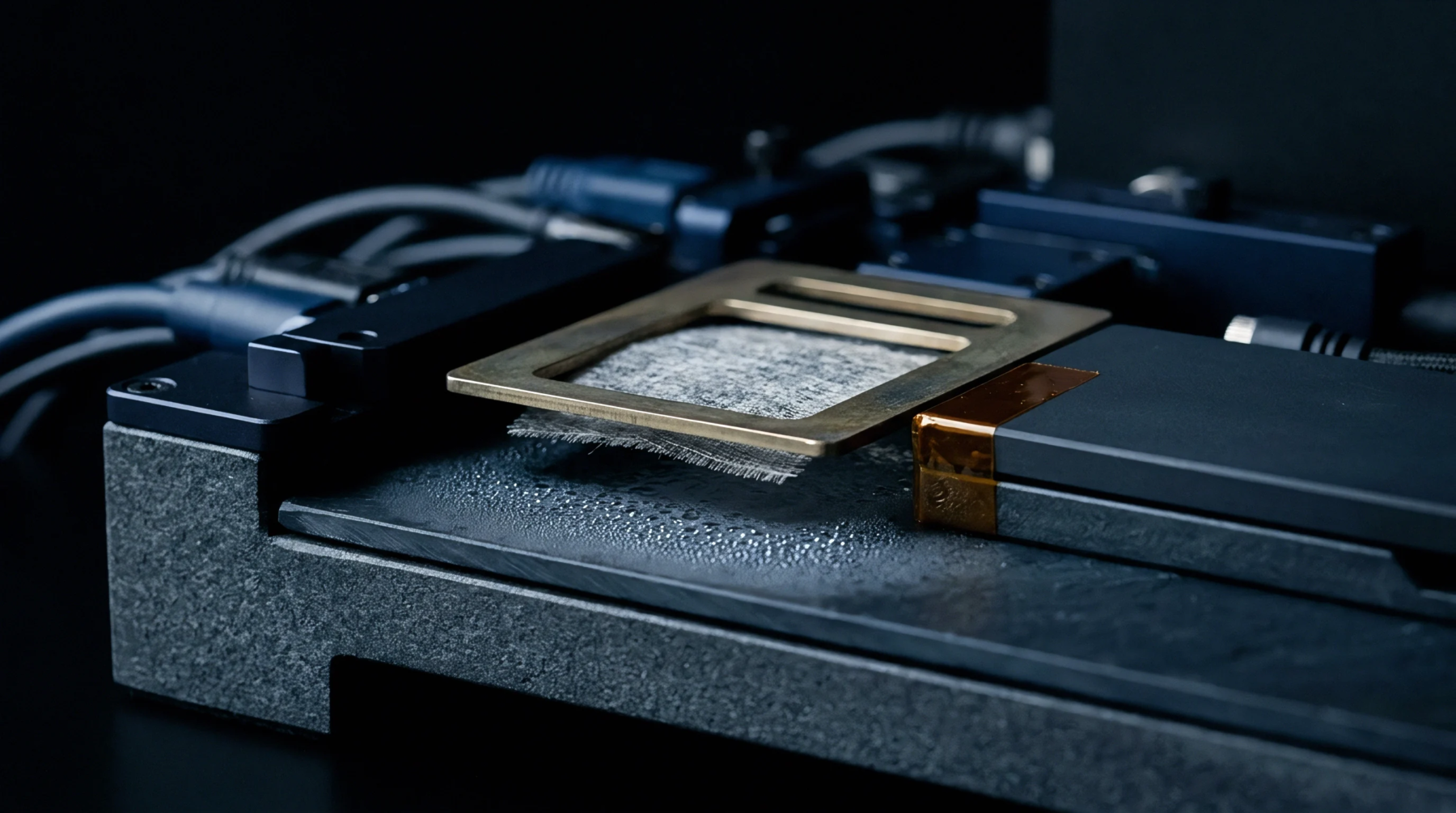
Enclosed Atmosphere
Displacement of ambient air within storage cabinets using a dry, unreactive gas prevents chemical degradation of sensitive materials. This storage technique is nitrogen purged storage, which maintains a dry and low-oxygen environment for electronic components. It reduces the humidity level to less than five percent relative humidity.
The process extends the storage life of electronic components and printed boards.
Oxidation Prevention
Exposure to atmospheric oxygen and moisture causes the metal contacts of electronic parts to oxidize over time. This oxidized layer reduces the solderability of the leads and leads to weak solder joints. The dry nitrogen atmosphere prevents this chemical reaction from occurring.
This protection is useful for copper and silver-plated terminals stored for long periods.
Industrial Integration
Automated storage systems inject nitrogen into dry cabinets whenever the relative humidity rises above a set threshold. This injection usually happens after a door has been opened and closed. The automated system minimizes nitrogen consumption by terminating the gas flow once the dry baseline is restored.
This efficiency reduces the operating cost of the storage facility.
Gas Regulation
Maintaining the correct pressure and flow rate is essential to ensure the storage cabinets remain dry without wasting gas. Digital flow meters and pressure regulators control the delivery of nitrogen from the central supply lines. High-purity nitrogen is required to ensure that no moisture is introduced into the cabinets.
Regular checks of the supply system are performed to prevent unexpected gas depletion. Continuous pressure monitoring warns operators of leaks in the door seals, which would otherwise allow wet ambient air to enter the enclosure.