Network Topology
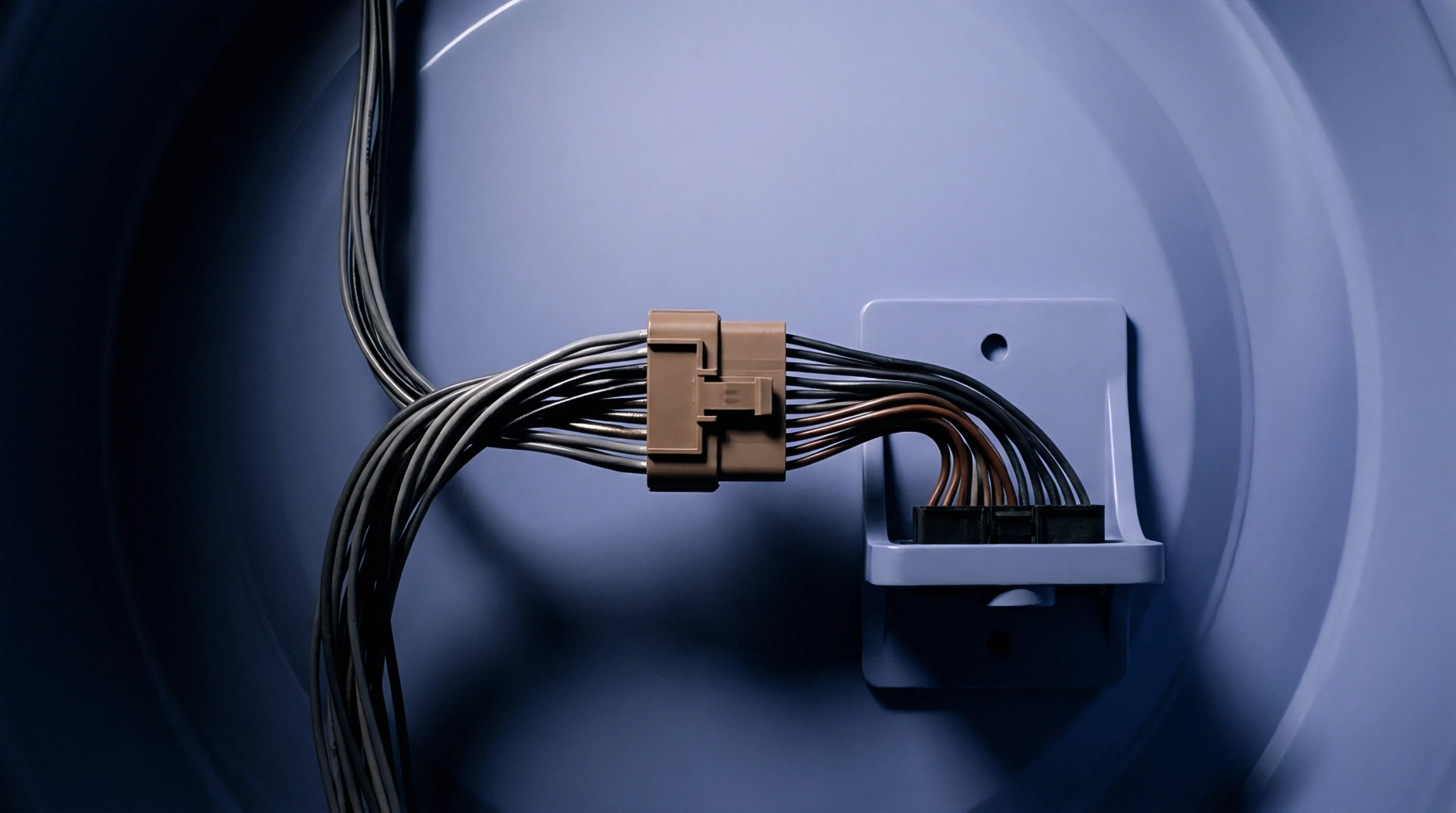
Communication architectures that connect multiple peripheral devices to a single shared transmission line allow for efficient data exchange within a complex system. A multi-drop bus reduces the amount of cabling required by letting sensors share a common pair of wires. This structure is common in industrial environments where many points of measurement must report to a central controller.
Device Addressing
Each component on the shared line must have a unique identifier to prevent data collisions. In a multi-drop bus setup, the controller sends a request containing a specific address and only the corresponding sensor responds. This sequential communication ensures that the signal from one device does not interfere with another.
Signal Reflection
Electrical pulses can bounce back from the ends of a long cable and corrupt the data. To manage a multi-drop bus properly, termination resistors must be placed at the furthest points of the network. These resistors absorb the energy of the signal to prevent it from echoing back along the line.
Power Distribution
Some implementations allow the same wires that carry data to also provide electrical energy to the sensors. The total current capacity of the cable limits the number of units that can be supported by a single multi-drop bus segment. Voltage drops over long distances must be calculated to ensure that the last device receives enough power to operate correctly.