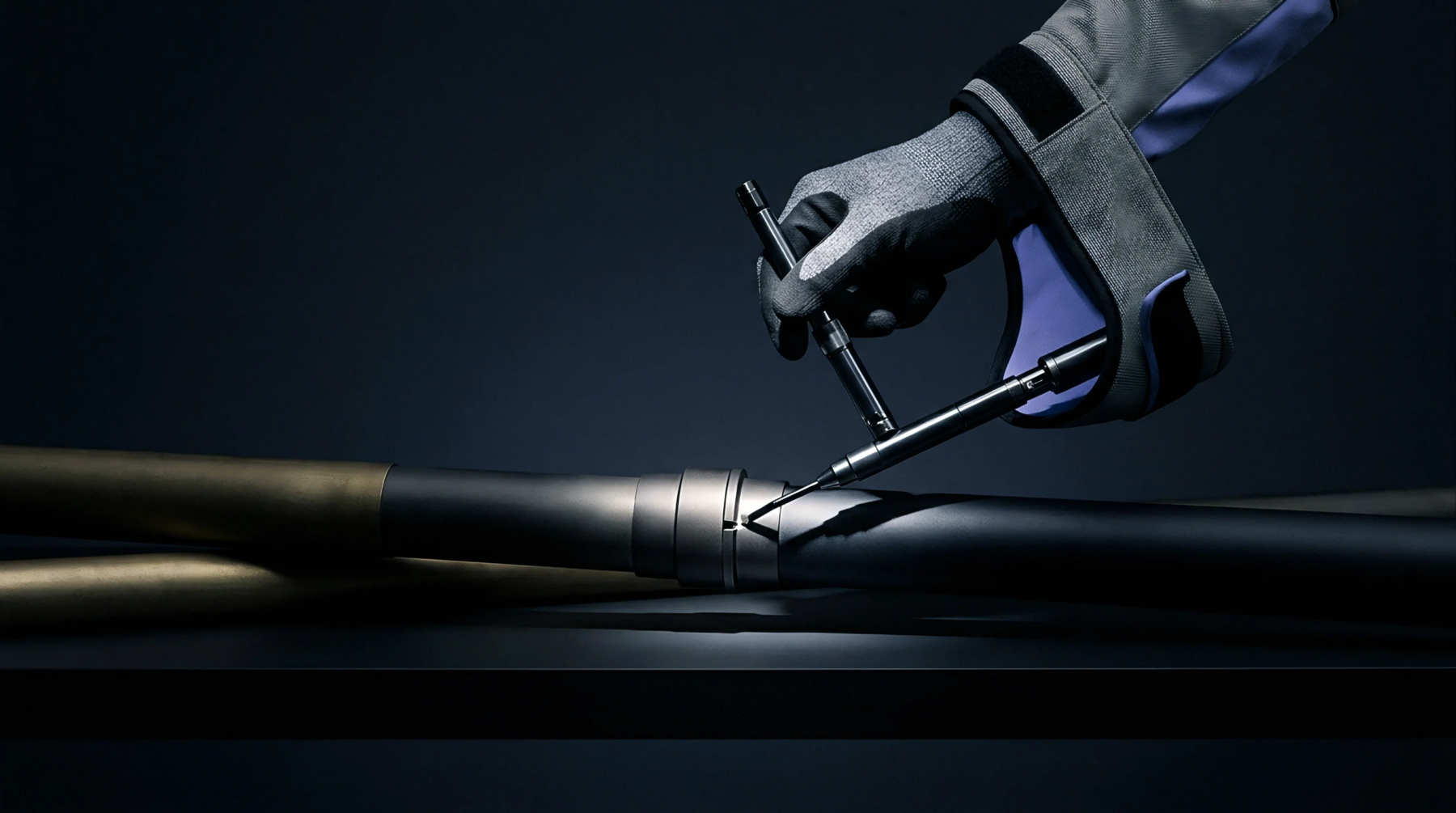
Microelectromechanical Conversion
Silicon microstructures integrate functional mechanical elements and electrical conversion circuits on a common substrate to convert physical inputs into measurable electronic outputs. A mems transducer executes physical sensing or microscale actuation through integrated diaphragms, suspended masses, cantilever beams, and microfluidic channels fabricated via semiconductor processing routines. Measurands include acceleration, angular rate, fluid pressure, acoustic vibration, and chemical concentration.
The boundary of the definition excludes purely electrical microcircuits devoid of moveable or physically responsive structural domains, as well as macroscopic electro-mechanical assemblies fabricated through traditional machining techniques.
Transduction Mechanics
Energy translation relies primarily on piezoresistive, capacitive, piezoelectric, or optical readout architectures embedded within the compliant microelements. Inertial accelerometers employ proof masses suspended by folded beam flexures, where acceleration generates inertial forces displacing the mass relative to a fixed frame. Pressure sensors translate differential media pressure into mechanical strain across a thin, micromachined silicon membrane, which alters the electrical resistance of integrated diffusion resistors.
Thermal actuation microstructures expand through localized Joule heating, generating controlled mechanical forces at the expense of elevated power consumption. Resonant structures exploit shifts in natural structural frequencies induced by deposited mass or external axial strain, enabling high-resolution frequency-modulated detection.
Environmental Packaging
Mechanical isolation represents a critical functional constraint for die integration, as external assembly strains directly corrupt calibration zero-points. Encapsulation techniques span anodic bonding, glass frit sealing, and metallic eutectic welding to establish hermetic or controlled-vacuum cavities around delicate internal features. Cavity pressure governs viscous gas damping, dictating whether resonant sensors achieve quality factors exceeding tens of thousands or remain critically damped for wide-bandwidth tracking.
Humidity penetration through non-hermetic packaging causes stiction failures, capillary condensation, and dielectric leakage currents across closely spaced interdigital electrodes. Corrosive gaseous environments necessitate secondary barrier coatings such as atomic layer deposited aluminium oxide or flexible silicone gels to isolate moving parts without attenuating signal transmission.
Metrological Qualification
Factory acceptance standards demand traceable calibration across specified temperature, pressure, and dynamic input ranges using reference equipment linked to national standards. Laser Doppler vibrometers, shaking tables, and dead-weight pressure testers measure scale factor linearity, transverse axis sensitivity, and hysteresis margins. Temperature hysteresis verification subjects devices to repeated thermal profiles, tracking return-to-zero offsets and span error drift across operational boundaries.
Cross-axis sensitivity metrics quantify unwanted responses to out-of-plane excitation, constrained by etching asymmetries and beam manufacturing tolerances. Packaging stress relaxation represents a persistent source of zero-bias drift, requiring extended burn-in cycles and continuous stability tracking prior to operational release.