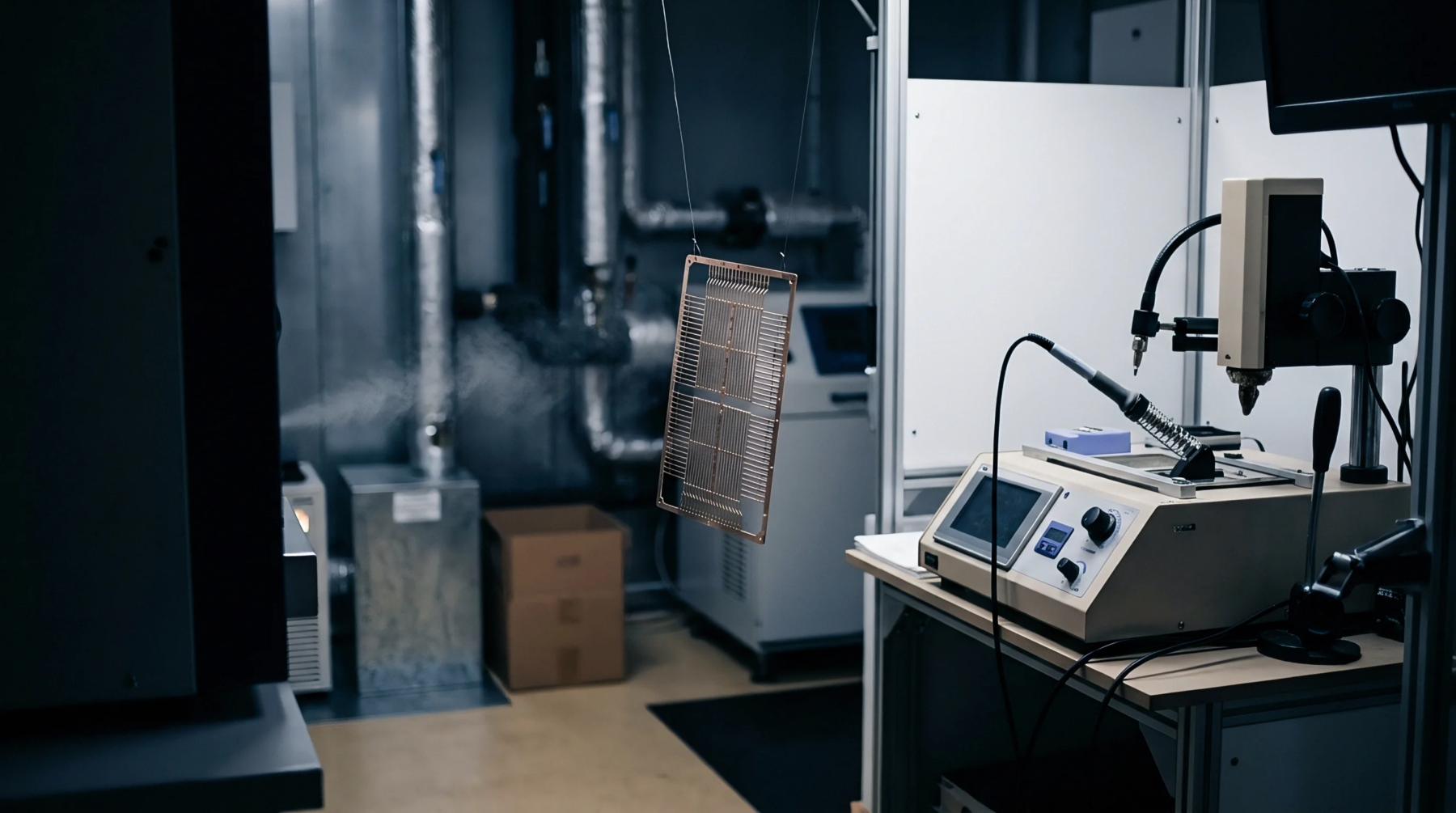
Time Deformation
Dimensional drift describes the continuous deformation of a solid material subjected to constant mechanical stress over an extended period. In transducer bodies, mechanical strain creep is the slow increase in strain that occurs under a fixed force. This phenomenon introduces a time-dependent error in high-precision load cells and force sensors.
The magnitude of this drift governs the long-term stability of weighing instruments.
Structural Cause
Microstructural changes within the metal or alloy matrix drive the progression of long-term deformation. Under sustained tension, dislocation movement and grain boundary sliding occur within the material. These internal adjustments accumulate gradually even at room temperature.
High-stress concentration points accelerate this movement.
Measurement Error
Sensor output registers a false increase in the measured load as the sensing element continues to deform. This mechanical strain creep causes the electrical signal to drift away from the true applied force. Constant monitoring processes are complicated by this drift when loads remain applied for days or weeks.
Compensation Technique
Correction algorithms utilize mathematical models based on the logarithmic decay of strain over time. Thermal treatments also stabilize the material before sensor assembly. These steps reduce the creep coefficient of the sensor to an acceptable minimum.